World Cup 2026: Players Who Cover Mouths in Confrontations Face Red Cards Under New FIFA Rule


Follow Nukunya
Get the latest breaking news and updates from Nukunya.
Vancouver, Canada — 29 April 2026 |
Players who cover their mouths during on-field confrontations could be sent off at the 2026 FIFA World Cup under new rules approved by football’s law-making body, the International Football Association Board (IFAB).
The measure is aimed at tackling discriminatory abuse and unsporting conduct, following a series of high-profile incidents where players concealed their speech during altercations.
New rule targets concealed abuse
Under the amendment, referees will be able to issue a red card to any player who covers their mouth in a confrontational situation, at the discretion of the competition organiser.
The rule is part of broader changes unanimously approved at a special IFAB meeting in Vancouver, with FIFA confirming it will be implemented at the World Cup in the United States, Canada and Mexico.
Officials say the change aims to prevent players from hiding potentially abusive or discriminatory language from cameras and match officials.
Trigger: racism incident in European football
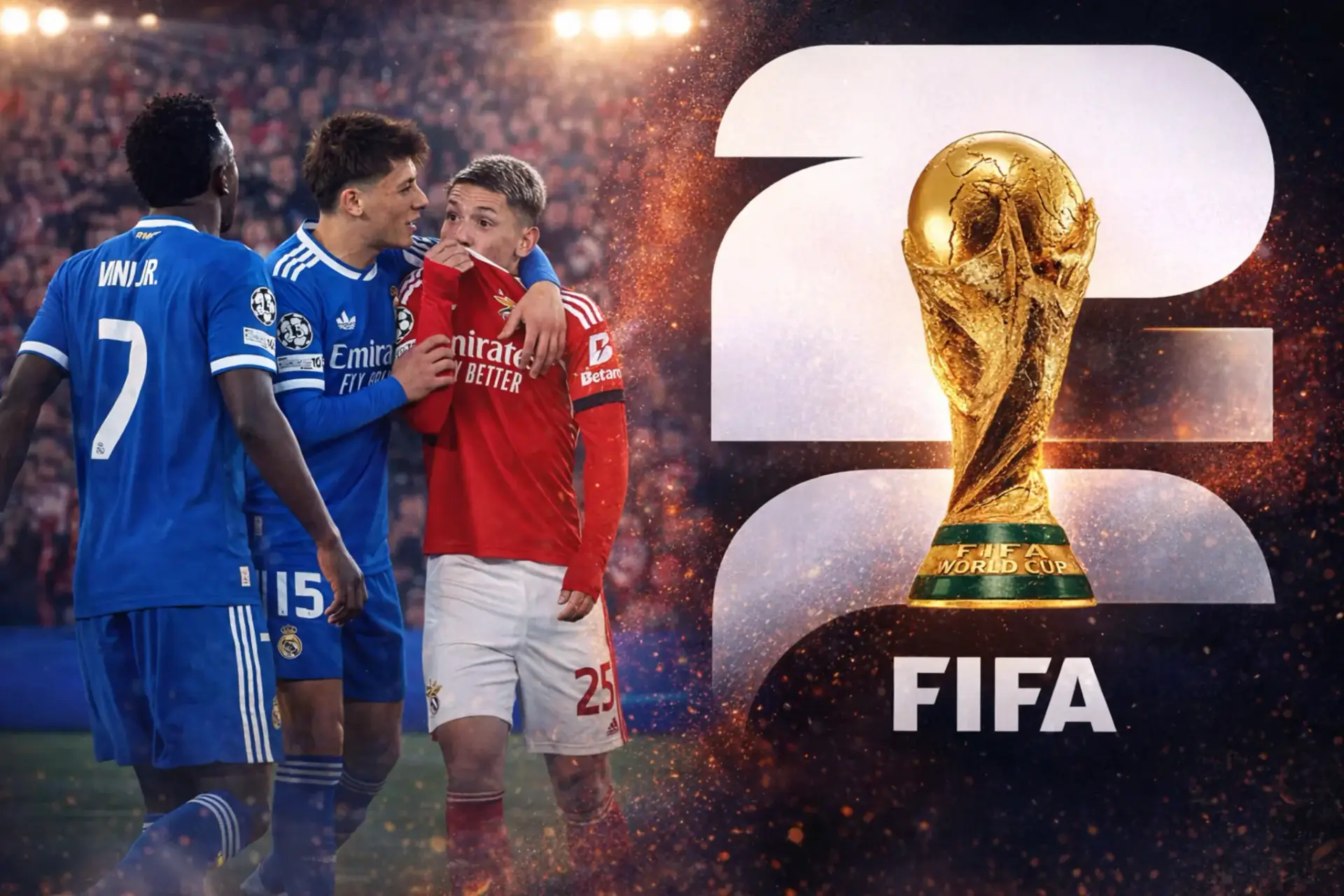
The move follows an incident earlier this year involving Real Madrid forward Vinícius Jr, who reported racial abuse during a Champions League match. The alleged offender covered his mouth while speaking, which made it difficult to verify what he said.
FIFA President Gianni Infantino later said such behaviour should carry serious consequences, arguing that concealment itself creates a “presumption” of wrongdoing.
Broader crackdown on player conduct
The IFAB ruling also introduces sanctions for players who leave the pitch in protest at refereeing decisions, as well as for officials who encourage such actions.
Matches could be forfeited if teams cause abandonment through mass protests, marking a significant tightening of disciplinary rules.
The changes are expected to be communicated to all 48 participating teams ahead of the tournament.
AFCON controversy highlights need for reform
The rule changes also come amid wider concerns about player behaviour, including the controversy at the Africa Cup of Nations final, where a team temporarily walked off the pitch in protest.
According to Sky News (page 5), the incident led to an unprecedented ruling overturning the result, underscoring the need for clearer disciplinary frameworks.
Analysis: Shift towards stricter enforcement
The new regulation reflects a broader shift in football governance towards proactive enforcement rather than reactive investigation.
Traditionally, alleged abuse has been difficult to prove due to lack of audio evidence. By targeting behaviours such as covering the mouth, regulators are introducing a preventive mechanism, effectively treating concealment as a potential indicator of misconduct.
However, the discretionary nature of the rule could raise questions about consistency in enforcement across matches and competitions.
Impact on players and the game
For players, this change represents a significant behavioural adjustment:
- Confrontations may become more visible and scrutinised
- Verbal exchanges could carry greater disciplinary risk
- Referees will have increased authority in subjective decisions
For organisers, the rule strengthens anti-discrimination efforts but may also increase controversy if decisions are disputed.
Context: Football’s ongoing anti-discrimination push
Football authorities have intensified efforts to combat racism and discrimination recently, introducing stricter sanctions and protocols.
The latest rule is part of FIFA’s wider commitment to ensuring that “respect governs the game at all levels,” following consultations with stakeholders across global football.
What happens next
The law changes will be formally implemented at the 2026 World Cup, with other competitions able to adopt the rules before they come into force globally on 1 July 2026.
Observers say the effectiveness of the measure will depend on how consistently referees apply the new standard during high-pressure matches.
Source and attribution
Sources: BBC Sport , FIFA / IFAB
Additional reporting and analysis by Nukunya News Desk
Related posts:
 Ghana wins bid to host 2027 U-20 Africa Cup of Nations
  World Cup 2026 Injury Crisis Deepens as Key Stars Face Race Against Time
  PSG Hold Off Bayern Fightback in Nine-Goal Champions League Semi-final Thriller
  Ghana Premier League Fixtures Postponed as Funeral Rites Set for Slain Footballer Dominic Frimpong
  Mexico beat Ghana 2-0 as Black Stars exposed in World Cup warm-up