Hirsutism: The 5 Reasons That Causes Excess Hair Growth and Emotional Stress

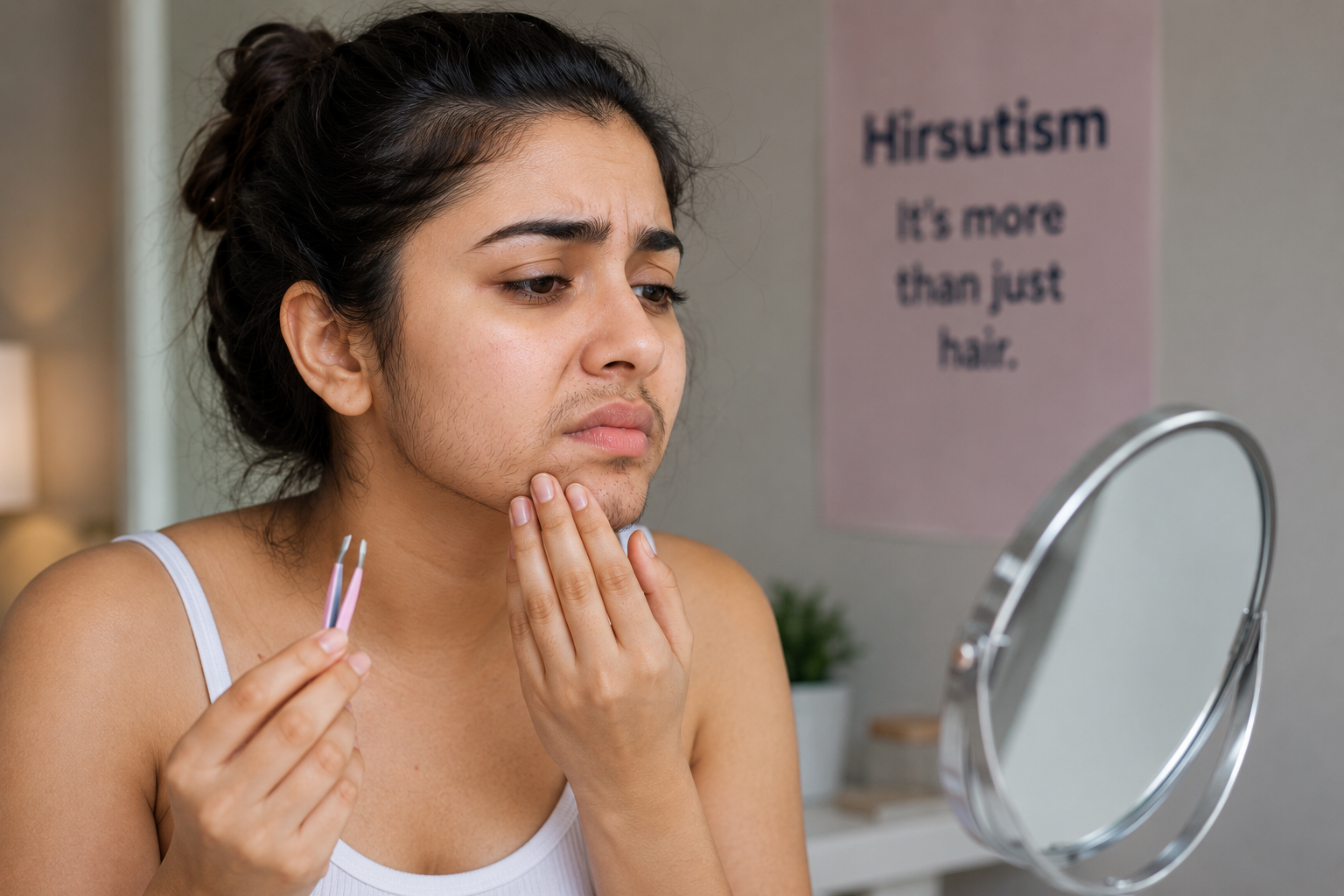
I was 12 when I realised none of my friends had hair on there face, so why did I have it. Mum said it was normal and not to worry. Picking up my dad’s Bic razor was the worst mistake I made at that age.
What is Hirsutism
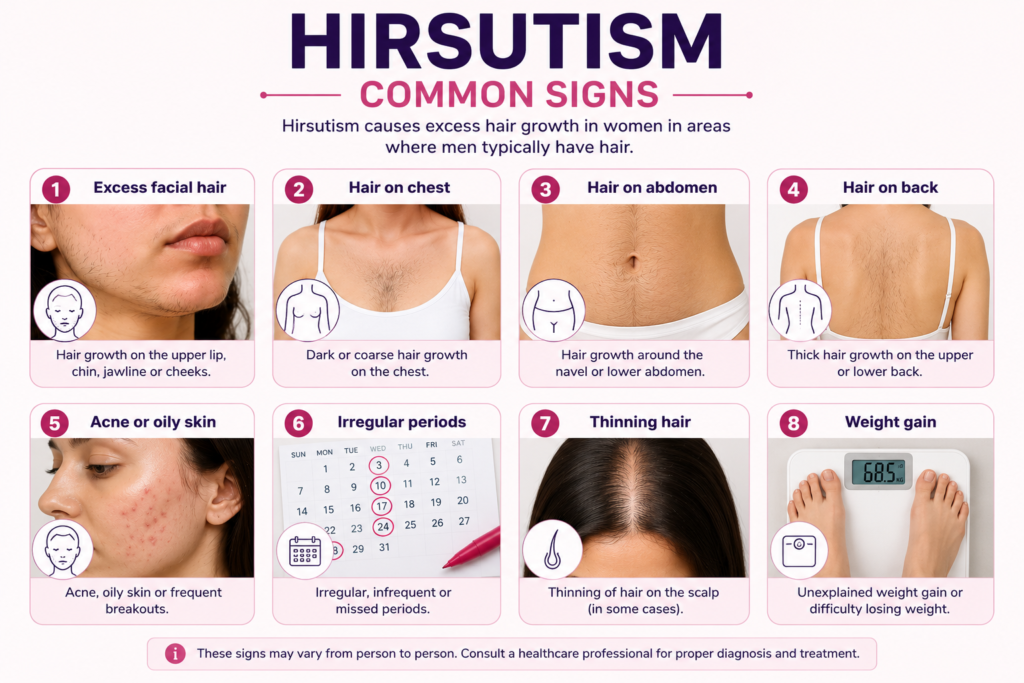
Hirsutism is a health condition that causes excessive, dark or coarse hair growth in women in areas where men typically grow hair, such as the face, chest, back, stomach or chin. It happens because of higher levels of male hormones called androgens, or because the body becomes more sensitive to those hormones.
Hirsutism Causes and Reasons
Hirsutism is female health condition most commonly caused by hormonal changes that increase levels of male hormones known as androgens. The leading cause is Polycystic Ovary Syndrome, although hormonal imbalances, certain medications, adrenal gland disorders and genetic factors may also contribute to excessive hair growth in women. In many cases, hirsutism develops gradually and may be accompanied by symptoms such as acne, irregular periods and weight gain.
How do you manage the condition?
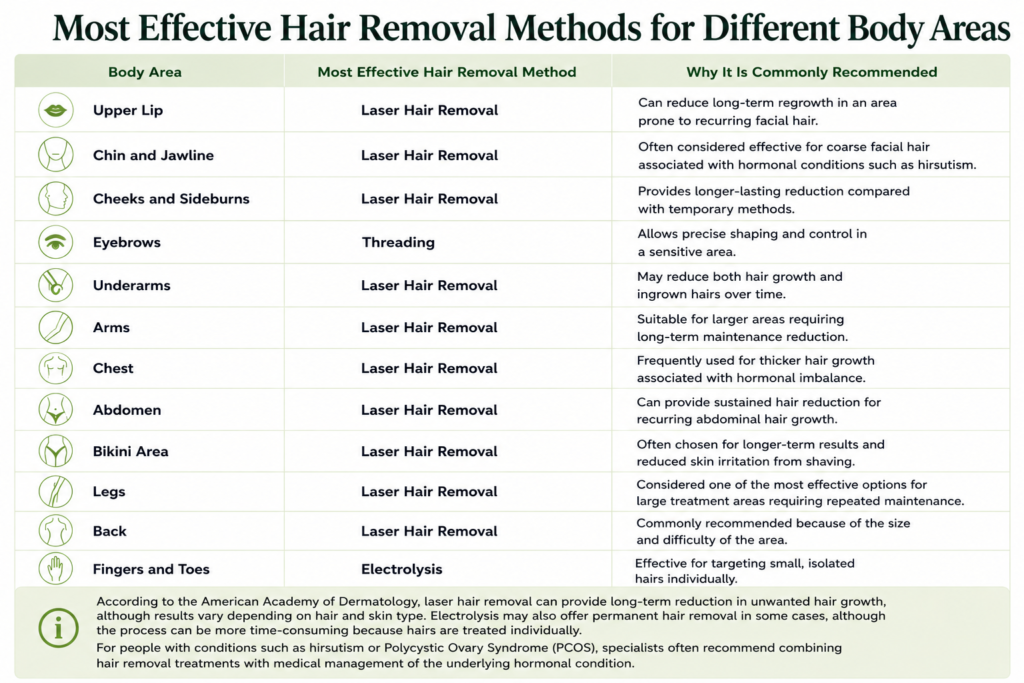
Picking up the razor to shave the facial hair was the worst decision one can make, if you are reading this article right now, and considering shaving your facial hair or any body hair then STOP! Shaving will make the hair thicker over time and the growth will be daily. Rather learn to manage the growth through other hair removal methods.
Dilemma
Coping mentally and physically is a large task at hand for any woman when it comes to our body. This could be simply dealing with the fact we have large breasts and no bottom, or vice versa small breasts and a large bottom. But having to deal with our hormonal imbalances is a whole hurricane! There are lack of studies in this area, but as woman we can manage the condition and not be embarrassed to talk about it.
For me, understanding that hirsutism is a medical condition, and not something to feel ashamed of, has been one of the biggest steps toward acceptance. Conversations around women’s hormonal health are becoming more open, but many still struggle in silence. Greater awareness, better access to treatment and more compassion can make a meaningful difference for those living with the condition.
No woman should feel defined by a hormonal imbalance or pressured to meet unrealistic beauty standards. Hirsutism may be a lifelong challenge for some, but it does not define a person’s worth, confidence or identity.
Related posts:
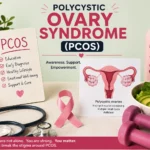 The Silent Struggle of PCOS: How Women Are Learning to Take Back Control
 Social media linked to higher loneliness, as study highlights limits of online friendships
 Extreme Heat: 5 Effective Ways to Protect Yourself During High Temperatures
 The Hidden Power of Sleep: 4 Essential Reasons It Supports Health, Wellbeing and Long-Term Survival
 6 Prostate Cancer Symptoms: Why Every Man Should Get Their Prostate Checked