UAE to exit OPEC amid Iran tensions, raising risks for global oil supply


Follow Nukunya
Get the latest breaking news and updates from Nukunya.
Abu Dhabi, United Arab Emirates — 29 April 2026 |
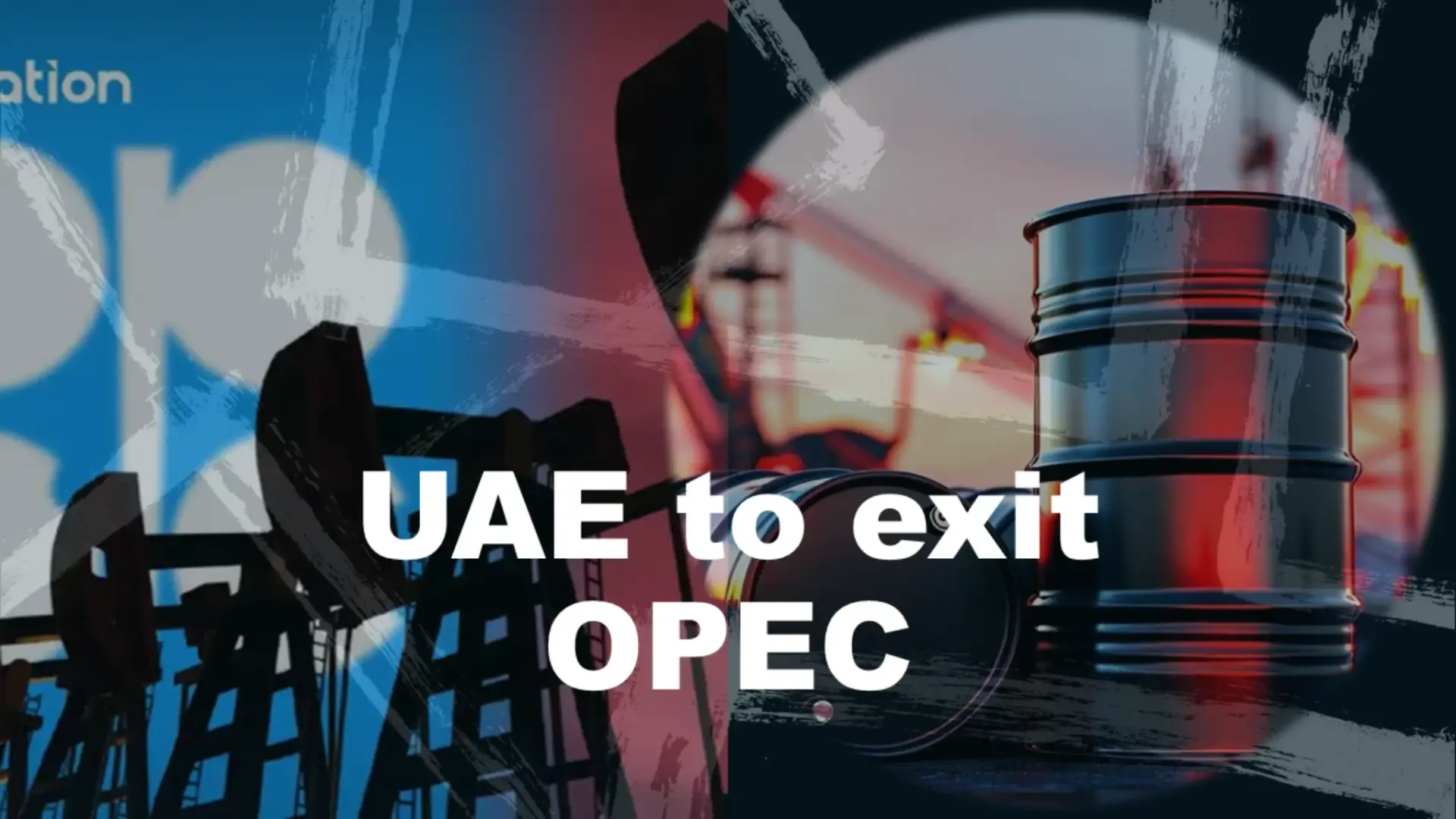
The United Arab Emirates will withdraw from OPEC and the wider OPEC+ alliance from 1 May, a move that could weaken the oil producers’ group at a time of escalating tensions linked to the Iran conflict and disruption to global energy flows.
The decision comes as shipping through the Strait of Hormuz, a vital route for around a fifth of global oil and gas supply, remains under strain because of security threats and restricted passage during the conflict.
Why the decision matters now
The UAE’s exit coincides with renewed diplomatic efforts to stabilise the region. Mediators in Pakistan are expecting a revised peace proposal from Iran after the United States rejected an earlier version, according to CNN.
Analysts say the combination of geopolitical instability and the loss of a major OPEC producer increases the risk of volatility in global oil markets.
Strategic shift towards domestic energy priorities
In a statement carried by state media, the UAE said the withdrawal reflects a long-term strategic and economic vision and the development of its energy sector, including accelerated investment in domestic production.
Energy Minister Suhail Mohamed al-Mazrouei said the move followed a review of current and future production policy. He said the UAE had not consulted other countries before the decision.
Since 1967, the UAE has linked itself to OPEC, first through Abu Dhabi and later as a federation after its formation in 1971.
Impact on OPEC’s global influence
The exit removes a key producer from OPEC’s quota system, potentially limiting the group’s ability to stabilise prices during supply disruptions.
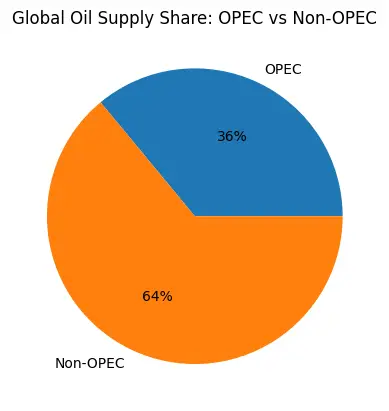
OPEC collectively accounts for about 36% of global oil production and controls almost 80% of proven reserves, according to CNN.
Rystad Energy said the UAE’s production capacity of about 4.8 million barrels per day had provided important flexibility within the group’s production framework.
Oil prices move as markets assess risk
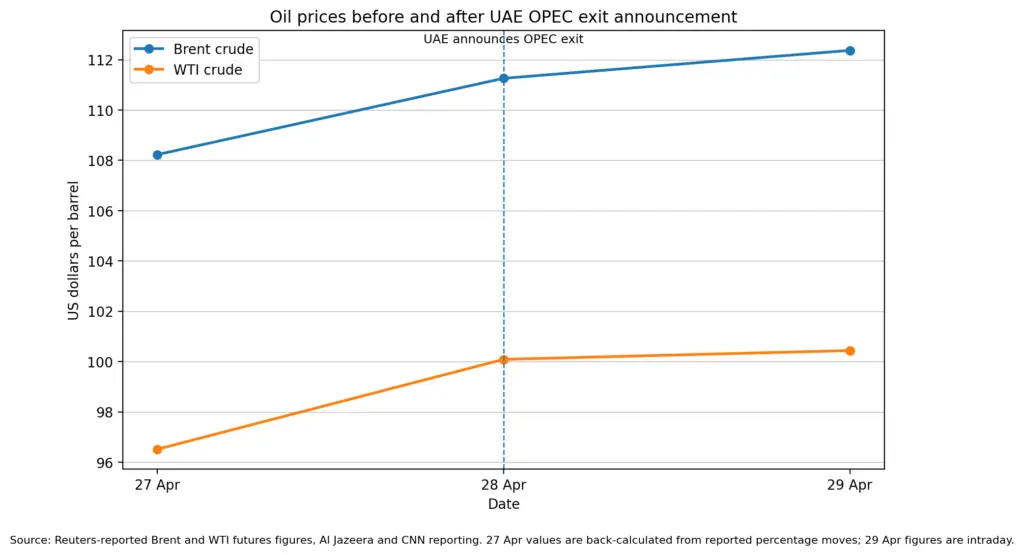
Oil prices rose around the announcement as traders weighed the impact of the UAE’s departure against wider disruption risks in the Gulf.
The move may place greater pressure on Saudi Arabia to support price stability while reducing OPEC+ flexibility in responding to sudden market shocks.
Strait of Hormuz disruption adds pressure
The conflict has intensified pressure on the Strait of Hormuz, the narrow maritime corridor between Iran and Oman.
Japan confirmed that a tanker with a Japanese crew passed through the strait under heightened security, describing the passage as a positive development while continuing to call for the safe passage of vessels.
The restricted movement of tankers has reinforced concerns over energy security, particularly for economies reliant on Gulf crude and liquefied natural gas.
Geopolitics reshapes oil markets
The UAE’s move highlights shifting dynamics within the Middle East, including economic and strategic competition with Saudi Arabia.
It also comes as the United States and allies reassess energy security amid continued uncertainty over Iran, nuclear diplomacy and maritime security.
Former US President Donald Trump has previously criticised OPEC over oil prices and linked US security support in the Gulf to pricing concerns.
Market outlook
The UAE’s departure is unlikely to end OPEC’s influence, but it weakens the group’s ability to present a united front at a time of geopolitical strain.
With demand growth slowing and supply risks rising, major producers may increasingly prioritise domestic strategies over collective quotas.
For consumers and businesses, the risk is further volatility in fuel, transport and energy costs if tensions around the Strait of Hormuz persist.
Source: Al Jazeera, CNN
Additional reporting and analysis by Nukunya News Desk
Related posts:
 Bank of England holds rates at 3.75% and warns Iran war could push UK inflation higher
  EU digital border checks for Brits to continue as Portugal and Italy reject suspension
  Ghana’s economic recovery wins IMF backing but fund warns on reforms
  Appeal Court reverses GN Savings licence revocation in major BoG setback
  Ghana Nears First Non-Interest Banking Licence as BoG Warns on Fintech Trust