Ghana Rejects $109m US Health Deal Over Data-Sharing Concerns


Follow Nukunya
Get the latest breaking news and updates from Nukunya.
Accra, Ghana 28 April 2026 |
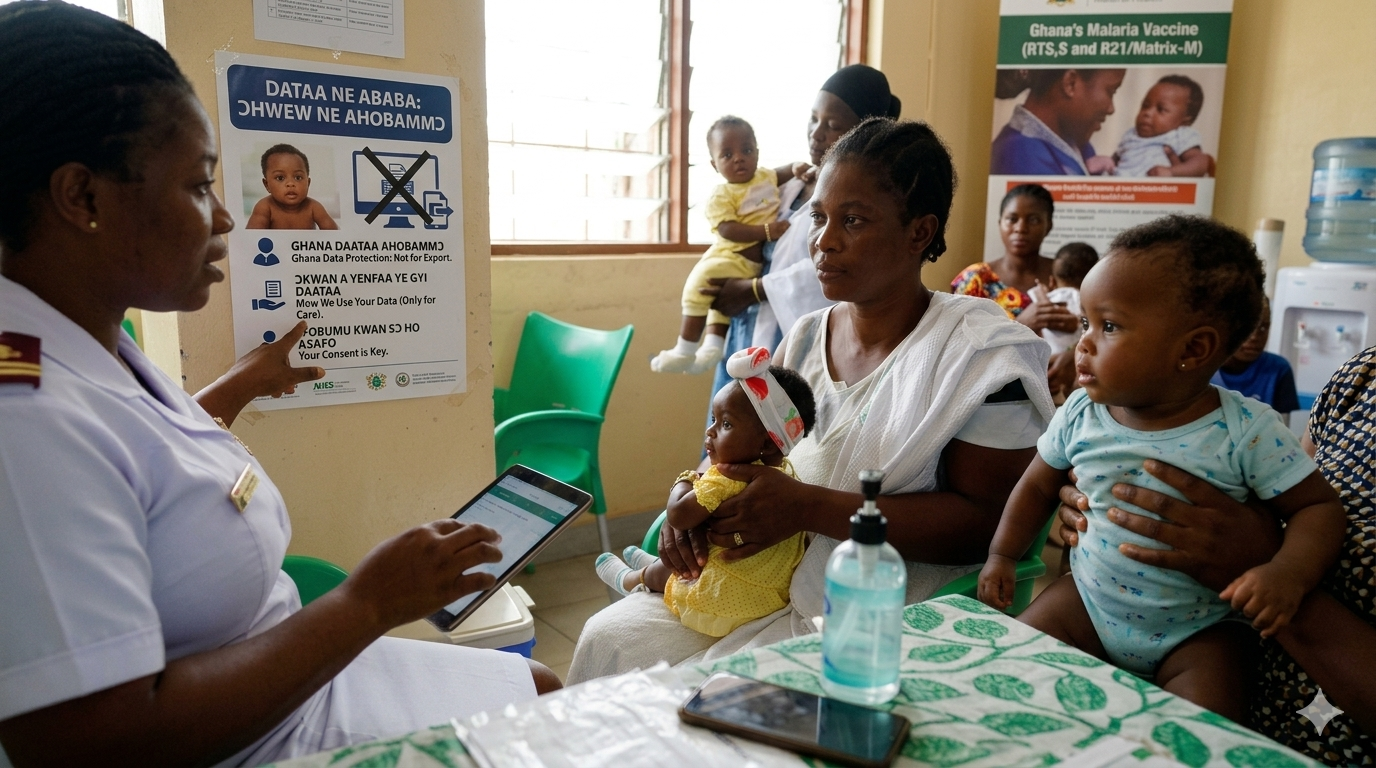
Ghana has rejected a proposed $109 million health agreement with the United States over concerns about data-sharing requirements, a decision that could reshape future aid partnerships and raise broader questions about data sovereignty in Africa.
A source familiar with the negotiations said the government objected to provisions that would have required the sharing of sensitive health data. The source was unauthorised to speak publicly, and details of the provisions remain undisclosed.
Officials from Ghana’s foreign ministry and government have not commented on the decision.
A spokesperson for the US State Department said it does not release details of bilateral negotiations but added that Washington remains committed to strengthening cooperation with Ghana.
Why Ghana rejected the deal
The proposed agreement formed part of a wider US strategy to restructure foreign aid through bilateral partnerships, with a focus on increasing domestic responsibility for tackling diseases such as HIV/AIDS, malaria, tuberculosis and polio.
However, concerns over data governance appear to have been central to Ghana’s decision. While specifics have not been made public, the issue highlights growing sensitivity among governments around how health data is collected, stored and shared in international agreements.
What was at stake
The draft deal included approximately $109 million in US health support over five years, though it remains unclear what level of financial contribution Ghana would have been expected to make.
The rejection could have implications for:
- Future US-Ghana health cooperation
- Funding structures for public health programmes
- Broader negotiations involving international data-sharing agreements
Talks broke down after deadline pressure
Negotiations began in November and were initially routine, according to the source, but became more intense in the final stages.
The United States set a deadline of April 24 to finalise the agreement. Ghana subsequently decided it could not accept the proposed terms.
A wider regional trend
Ghana is not alone in raising concerns. Similar issues have affected negotiations in other countries:
- Talks with Zimbabwe collapsed over comparable concerns
- A court in Kenya has suspended a related agreement pending legal review
This suggests increasing scrutiny across the region over the terms attached to foreign aid agreements.
What happens next
It remains unclear whether discussions between Ghana and the United States could resume under revised terms.
Analysts say the outcome could influence how future agreements are structured, particularly around data protection and national control over sensitive information.
Source: Reuters
Related posts:
 Ghana’s parliament debates new tax policy amid revenue push
  Ghana’s digital ID expansion accelerates as government pushes inclusion
  Ghana’s malaria cases decline as vaccination rollout expands
  Ayawaso East desks donation: MP Baba Jamal gives 1,000 desks to schools
  Mifepristone access restored by US Supreme Court for now