
Underdog Unveils Breakthrough 32MB Speech Model
Underdog AI unveils a breakthrough 32MB speech model capable of generating both voice and music. Learn how this compact AI model enables high-quality audio.

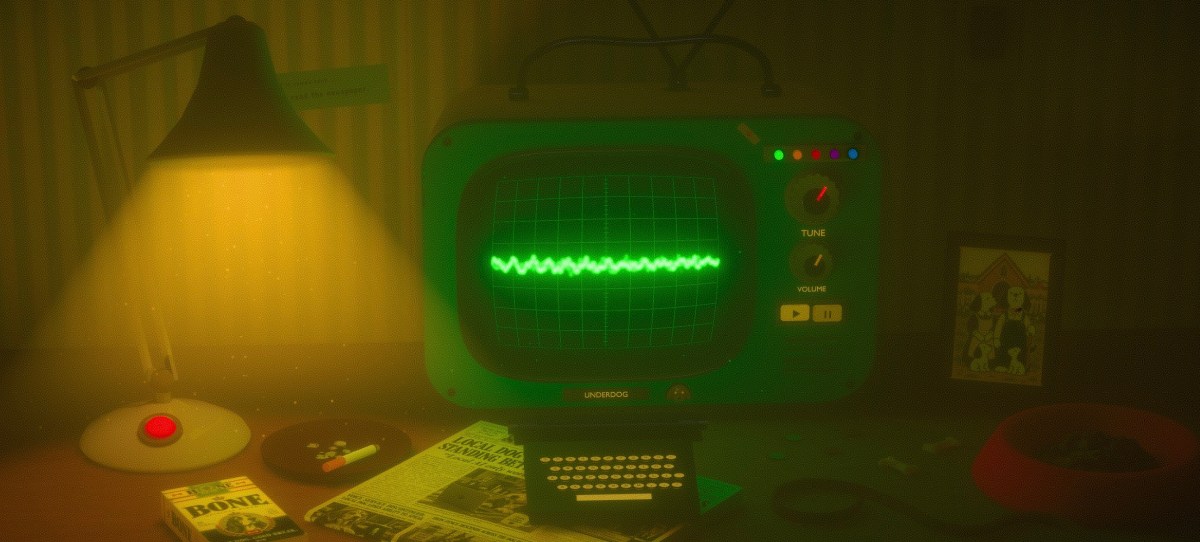

The landscape of generative artificial intelligence is rapidly shifting from massive, cloud-dependent architectures toward localized, efficient solutions. In a significant move for the industry, Underdog AI recently unveiled a groundbreaking 32MB speech model. This ultra-compact release challenges the prevailing notion that high-fidelity audio synthesis requires gigabytes of parameters and robust server-side processing. By shrinking the footprint of generative audio to a fraction of the size of current industry standards, Underdog is positioning itself as a leader in the movement toward ubiquitous, on-device intelligence.
The announcement has sparked immediate interest among developers and hardware manufacturers alike. For years, the barrier to entry for high-quality text-to-speech (TTS) and audio generation has been the requirement for specialized hardware or constant internet connectivity. Underdog’s new architecture suggests a future where sophisticated vocal and musical generation can reside natively on a wide array of consumer electronics, from entry-level smartphones to specialized IoT devices, without compromising significantly on output quality.
Key Features of the 32MB Speech Model

“Despite its small size, Underdog’s new model can generate both speech and music.”
— TechCrunch Report
Despite its diminutive storage requirements, the new Underdog AI model is not a single-purpose tool. Its architecture is designed to handle multiple facets of audio production simultaneously. The following features highlight the technical versatility of this compact AI architecture:
- Dual-Mode Generation: Unlike many speech-only models, Underdog’s version functions as a generative music model, capable of composing melodic sequences alongside spoken dialogue.
- Ultra-Low Latency: Because the model resides locally within 32MB of memory, the time required to process and output audio is drastically reduced, enabling real-time interaction.
- Multi-Lingual Foundation: The model includes core linguistic data for several major languages, allowing for basic cross-cultural utility despite the small file size.
- High Efficiency: The model is optimized for edge computing AI, meaning it requires minimal battery power and processing cycles to function, making it ideal for wearables.
- Voice Customization: Early reports suggest the model can support various vocal timbres and emotional inflections, moving beyond the robotic tones typically associated with small-scale legacy TTS systems.
The Evolution of Compact AI Models
The 32MB size of Underdog’s model is particularly significant in the context of hardware limitations. Typically, high-quality generative audio models require gigabytes of storage and significant VRAM, making them difficult to run on standard mobile devices without cloud assistance.
The journey toward the 32MB speech model represents a pivotal moment in the history of neural networks. For the past half-decade, the industry trend has been “bigger is better,” with models like GPT-4 and large-scale diffusion networks pushing the boundaries of what parameters can achieve. However, this growth has come at the cost of accessibility and privacy. Large models require massive data centers, which consume significant energy and force users to transmit their data to the cloud for processing.
The shift toward on-device speech synthesis mirrors other recent advancements in AI-driven personal tools, where the focus has moved toward making technology more integrated and less intrusive. Underdog AI has achieved this 32MB footprint through advanced quantization and pruning techniques—processes that strip away redundant neural pathways without collapsing the model’s ability to understand context. This allows for a “distilled” version of intelligence that retains the core capabilities of a larger network while being small enough to fit on a 20-year-old thumb drive.
Demonstration and Public Reaction
To validate the claims surrounding the 32MB speech model, Underdog AI released an AI audio demo that showcases the model performing live synthesis. The demo features the AI narrating a script with naturalistic breathing and cadence, before seamlessly transitioning into a rhythmic musical backing track. The fluidity of the transition between speech and music is particularly noteworthy, as these are traditionally handled by two distinct neural architectures.
The reaction from the tech community on social media platforms like X (formerly Twitter) has been largely positive, with many researchers expressing surprise at the clarity of the audio. You can find discussions on various social media platforms like X regarding the implications of this release. Critics have pointed out that while the 32MB model may not yet match the “uncanny” realism of server-side models that are 100 times its size, the utility of having a “good enough” model that works offline is a game-changer for privacy-conscious users and those in regions with poor connectivity.
Future Outlook for Underdog AI
The long-term implications for Underdog AI and its compact AI architecture extend far beyond simple voice memos. As the technology matures, we can expect to see this model integrated into the next generation of smart home hubs, automotive systems, and accessibility devices. For individuals with speech impairments, a 32MB model that lives on a dedicated wearable could provide a persistent, reliable voice that does not fail when the Wi-Fi signal drops.
Furthermore, the generative music model aspect of the software could lead to new forms of interactive media. Imagine a video game where the soundtrack and character dialogue are generated on the fly, responding to player actions in real-time, all without taxing the system’s primary memory. Underdog AI has signaled that they intend to continue refining this architecture, hinting that the 32MB milestone is merely the beginning of a new era in efficient, decentralized artificial intelligence.
Frequently Asked Questions about Underdog’s 32MB Speech Model
- How does a 32MB model compare to standard AI speech models? Most high-end speech models range from 500MB to several gigabytes; the Underdog model is roughly 15 to 20 times smaller than its cloud-based counterparts.
- Can it generate music and speech at the same time? Yes, the architecture is designed to handle both audio types, allowing for background music generation during vocal narration.
- Does it require an internet connection? No, the primary advantage of the 32MB size is that it is designed for 100% offline, on-device operation.
- Is the audio quality comparable to professional voiceovers? While highly impressive for its size, it may lack the extreme nuance of larger models, though it is suitable for assistants and interactive applications.
- What devices can run this model? It is designed for edge computing, meaning it can run on smartphones, tablets, and even low-power microcontrollers.