Council of State Revamp: Cletus Avoka Calls for Reform
Former Majority Leader Cletus Avoka calls for a Council of State revamp to ensure independence and resource adequacy for effective national advisory functions.



Introduction to the Council of State Reform Debate
The institutional framework of Ghana’s democratic system has come under scrutiny as veteran legislators and political analysts call for a significant Council of State revamp. Cletus Avoka, a seasoned politician and former Majority Leader of Parliament, has become a prominent voice in this movement, arguing that the current advisory body lacks the necessary teeth to influence national policy effectively. The debate centers on whether the Council, as currently constituted under the 1992 Constitution, serves as a genuine check on executive power or merely a symbolic assembly of elders.
Advocates for reform suggest that the Council’s limitations are symptomatic of broader governance issues that require transparency in state agencies to ensure public confidence. Avoka’s intervention highlights a growing consensus that for the Council to fulfill its constitutional mandate, it must transition from a reactive body to a proactive, independent institution. Without such a transformation, critics argue that the advisory roles intended to guide the Presidency will remain largely superficial, failing to address the complexities of modern Ghanaian governance.
Avoka’s Vision for an Independent Council
“The Council of State requires a revamp… the current structure constrains its effectiveness.”
The core of Cletus Avoka’s proposal lies in the concept of an independent Council of State. He posits that the current arrangement, where the Council is often perceived as an extension of the Presidency, undermines its credibility. For the Council to provide objective counsel, it must operate outside the direct “machinery of government.” Avoka argues that independence is not merely a matter of legal definition but a practical requirement for the body to voice dissenting opinions or offer alternative perspectives without fear of political repercussions.
Furthermore, Avoka emphasizes that the quality of advice is intrinsically linked to the autonomy of the advisors. By restructuring the Council to ensure it is not beholden to the executive for its survival or operational directives, the state can foster a more robust democratic environment. This Ghanaian governance reform initiative seeks to empower the Council to act as a stabilizing force, particularly during periods of intense political polarization or when the executive branch faces difficult decisions regarding national interest.
Structural Constraints of the Advisory Body
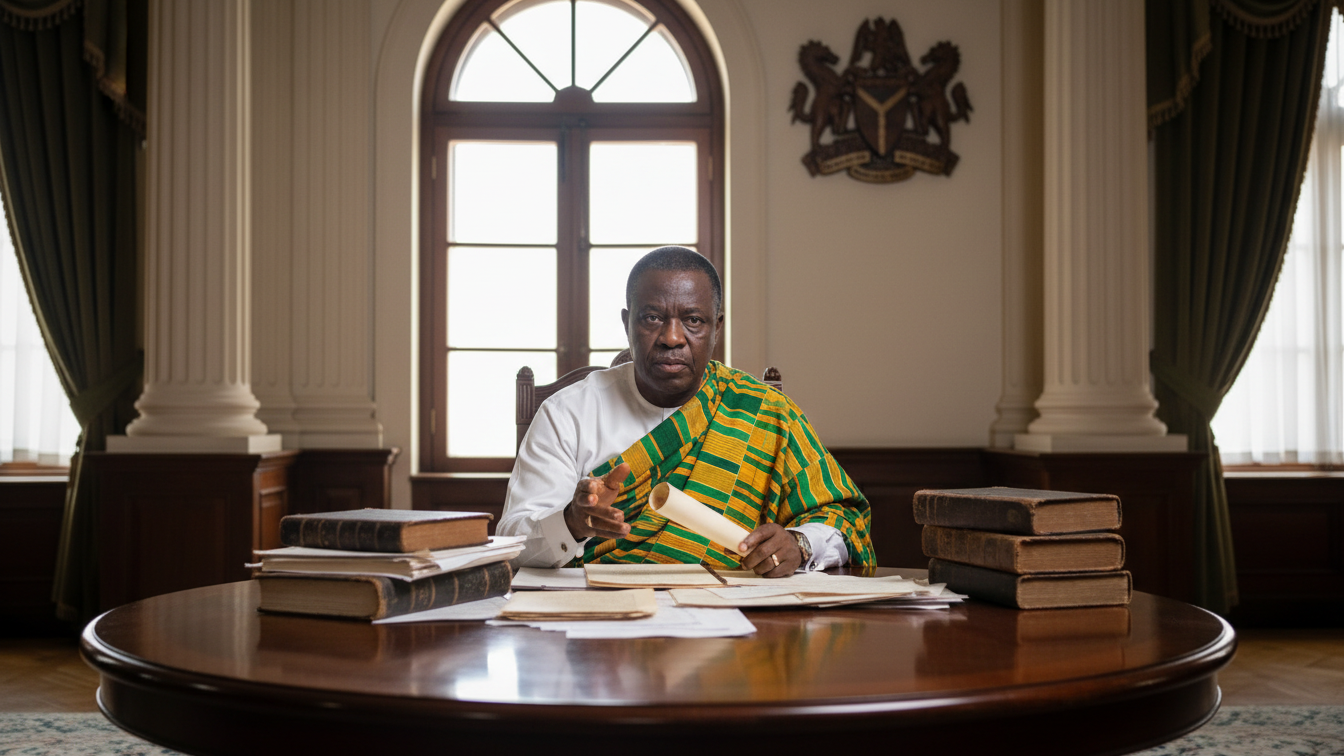
Cletus Avoka emphasizes that for the Council to function effectively, it must be ‘adequately resourced’ and operate with a degree of independence that the current constitutional framework does not fully support.
The perceived ineffectiveness of the Council of State is often attributed to several structural hurdles embedded in the current legal framework. These constraints prevent the body from exercising a more assertive role in the governance process. Key issues include:
- Limited Mandate: The Council primarily acts in a consultative capacity, meaning the President is not legally bound to follow its recommendations in most instances.
- Appointment Influence: Concerns persist regarding partisan appointments, which can lead to a Council that mirrors the political leanings of the sitting President rather than representing a diverse spectrum of national thought.
- Reactive Nature: The Council often waits for matters to be referred to it by the executive, rather than having a clear constitutional pathway to initiate inquiries into pressing national concerns.
- Lack of Public Engagement: The deliberations of the Council are largely conducted behind closed doors, offering little visibility to the public regarding the advice provided to the executive.
Institutional Independence and Resource Allocation
A central pillar of the proposed constitutional revamp is the provision of adequate resources. Cletus Avoka has pointed out that a Council of State that lacks its own budget and technical staff is inevitably dependent on the Office of the President. This dependency creates a power imbalance that can stifle critical thinking and independent research. For the Council to conduct thorough investigations or provide data-driven advice, it needs its own dedicated secretariat and financial autonomy.
Providing the Council with independent resource allocation would allow it to recruit experts across various fields, including economics, law, and social sciences. This would elevate the quality of the advisory body effectiveness, ensuring that the President receives counsel that is not only politically savvy but also technically sound. The goal is to create a parallel center of excellence that complements the executive branch while maintaining enough distance to provide honest, and sometimes difficult, feedback to the corridors of power.
Conclusion: The Future of Governance Reform
The call for a Council of State revamp is more than a critique of a single institution; it is a call for the evolution of the Ghanaian democratic project. As the nation matures, its institutions must also adapt to handle the challenges of a more demanding electorate and a complex global landscape. Cletus Avoka’s arguments serve as a catalyst for a broader conversation on how to balance executive authority with sage, independent oversight.
Ultimately, the success of these reforms will depend on the political will to amend the constitution and the commitment of all stakeholders to prioritize national interest over partisan loyalty. Strengthening the Council of State will not diminish the Presidency; rather, it will enhance the quality of national leadership by ensuring that the highest office in the land is guided by a body that is truly representative, well-resourced, and unafraid to speak truth to power.