Accra Metropolitan Assembly Gives Traders 48-Hour Ultimatum
The Accra Metropolitan Assembly has issued a 48-hour ultimatum for traders to vacate bus stops to reduce traffic and improve safety across the metropolis.

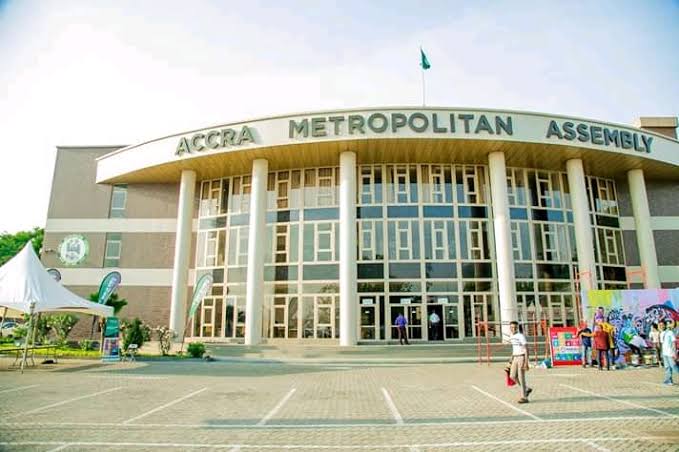

Traders Face 48-Hour Ultimatum from AMA
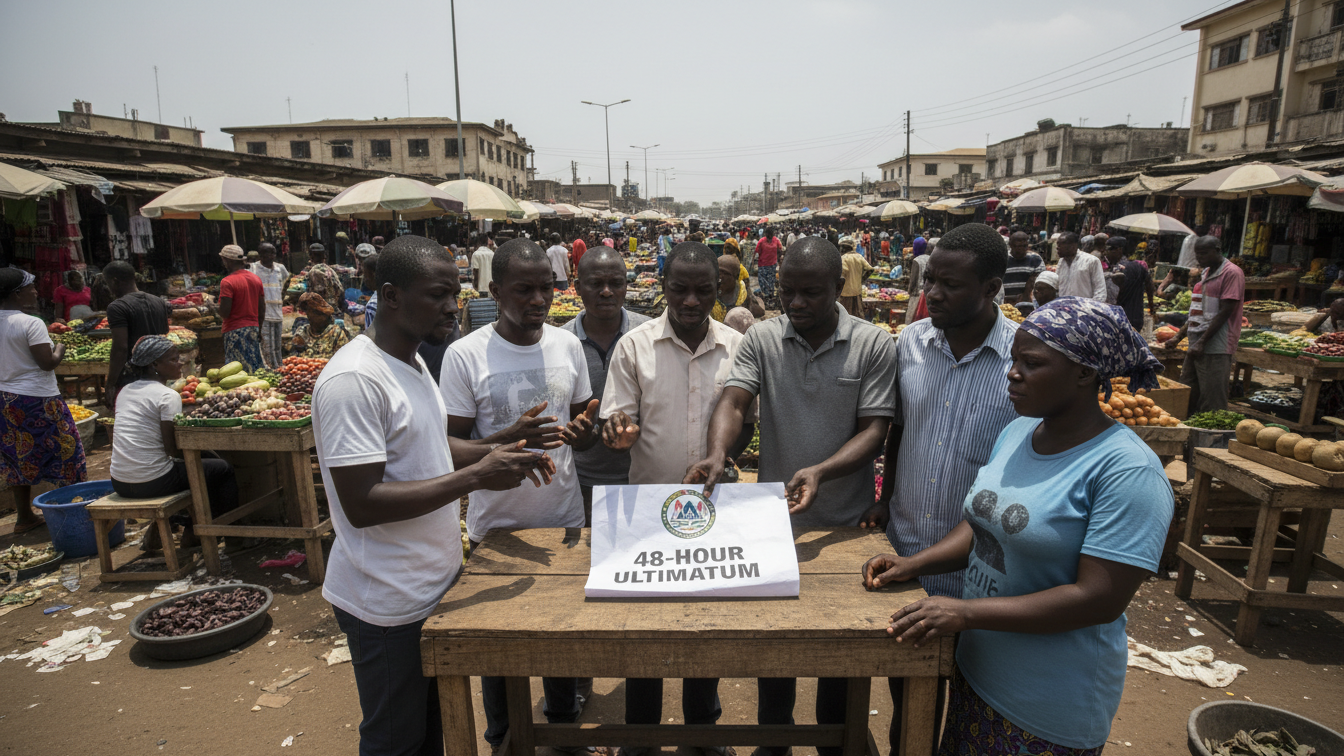
The AMA has officially warned that the 48-hour period is the final grace period before a full-scale enforcement exercise begins across the Accra metropolis.
The Accra Metropolitan Assembly (AMA) has officially issued a 48-hour deadline for traders operating at unauthorized bus stops throughout the metropolis to vacate these areas. This directive comes as part of a renewed commitment to urban management and the restoration of order within the capital’s busiest corridors. According to the Assembly, the deadline serves as a final warning before a full-scale AMA enforcement exercise begins to clear the streets of illegal structures and vending activities that have increasingly spilled onto the road.
The decision to issue the Accra traders ultimatum follows a series of assessments conducted by the Assembly, which revealed that several vital transit points have been completely overtaken by hawkers and permanent stalls. The AMA emphasizes that these locations are designated specifically for transport logistics and pedestrian movement, not for commercial trade. Officials have stated that the goal is not to stifle small businesses but to ensure that public space management protocols are strictly followed to prevent the capital from falling into a state of total congestion.
Impact on Traffic and Commercial Transport
“The practice obstructs designated stopping points, making it difficult for commercial drivers to pick up and drop off passengers safely.”
— Accra Metropolitan Assembly Press Release
Commercial drivers and transport unions have been vocal in their complaints regarding the encroachment of trading activities onto bus stops. The presence of traders often forces commercial vehicles to stop in the middle of the road to pick up or discharge passengers, significantly worsening traffic congestion Accra residents face daily. This creates a ripple effect, leading to delays that affect productivity and increase fuel consumption for motorists caught in the resulting gridlock.
Beyond the logistical nightmare, the obstruction of bus stops presents a severe safety hazard. Passengers are often forced to navigate through narrow spaces between stalls and moving vehicles, increasing the risk of road accidents. The AMA has noted that the current situation deviates from professional public fund management standards, as taxpayers expect the infrastructure built with state resources to be used for its intended purpose. Ensuring that transportation hubs remain functional is critical to the economic health of the city, public fund management standards dictate that public resources must serve the broader population rather than being monopolized by unauthorized private interests.
Sanctions and Enforcement Protocols
The Accra Metropolitan Assembly has outlined a clear strategy for the enforcement phase once the 48-hour window closes. The Assembly plans to deploy task forces to various hotspots across the metropolis to ensure compliance. The following protocols will be strictly observed during the exercise:
- Seizure of Goods: Any merchandise found at unauthorized bus stops after the deadline will be confiscated by the AMA task force.
- Dismantling of Structures: Temporary kiosks, tables, and umbrellas that obstruct pedestrian walkways or vehicle boarding points will be removed and demolished.
- Prosecution of Offenders: Traders who resist the exercise or return to the unauthorized spots after being cleared will face legal action in accordance with local bylaws.
- Continuous Monitoring: To prevent the re-emergence of illegal markets, the Assembly will maintain a presence at cleared sites to ensure long-term sustainability.
Public Safety and Environmental Concerns
The occupation of public transit spaces by traders is not merely a transport issue; it is a significant environmental and public health concern. The accumulation of waste in unauthorized trading areas often leads to the clogging of drains, which contributes to flash flooding during rainy seasons. The AMA has highlighted that the lack of sanitary facilities in these makeshift markets results in poor hygiene standards, affecting both the traders and the commuters who pass through these areas daily. These environmental challenges mirror infrastructure maintenance efforts elsewhere in Ghana, where the neglect of designated systems leads to the deterioration of public utility.
By enforcing the 48-hour ultimatum, the Accra Metropolitan Assembly aims to mitigate these risks. Clearer streets allow for more efficient waste collection and better pedestrian flow, which in turn reduces the likelihood of criminal activities such as pickpocketing, which often thrives in overcrowded, disorganized spaces. The Assembly has urged the traders to move to designated market areas provided by the government, where they can operate in a safe, regulated environment that does not compromise the city’s functionality.
Comparing Current Trade Encroachment Issues
The distinction between regulated commerce and unauthorized encroachment is vital for the development of any modern metropolis. The table below illustrates the differences between designated trading zones and the unauthorized bus stops currently under the AMA’s scrutiny.
| Feature | Designated Trading Zones | Unauthorized Bus Stops |
|---|---|---|
| Legal Status | Authorized by AMA bylaws. | Prohibited under urban planning laws. |
| Sanitation | Regular waste collection provided. | Littering and drainage blockages common. |
| Safety | Defined walkways for customers. | High risk of vehicle-pedestrian collisions. |
| Traffic Impact | Neutral; located away from roads. | Severe; causes bottlenecks and delays. |
As the deadline approaches, the Accra Metropolitan Assembly has called for the cooperation of all stakeholders, including transport unions and the general public, to support the initiative. The goal remains a cleaner, safer, and more mobile Accra for all residents and visitors.
Frequently asked questions
How long do traders have to vacate the bus stops?
Traders have exactly 48 hours from Wednesday, November 4, 2026, to vacate these spots.
Why is the AMA taking this action now?
The AMA cited traffic congestion, safety hazards, and complaints from commercial drivers as the primary reasons.
What happens if traders do not comply?
The AMA warned that non-compliant traders will face the seizure of their goods and legal prosecution.
Related posts:
 Avenor Building Collapse Death Toll Rises to Three as Safety Concerns Intensify
 11-Year-Old Boy Dies After Drowning in Dugout Pit at Adenta Aviation as Authorities Renew Safety Warning
 AMA Arrests Six Trotro Drivers Over Unapproved Fares
 DVLA Expands from 33 to 63 Offices Across Ghana
 Ghana Anti-Galamsey Operations Hand Over 141 Seized Firearms for Destruction