
Avenor Building Collapse Death Toll Rises to Three as Safety Concerns Intensify

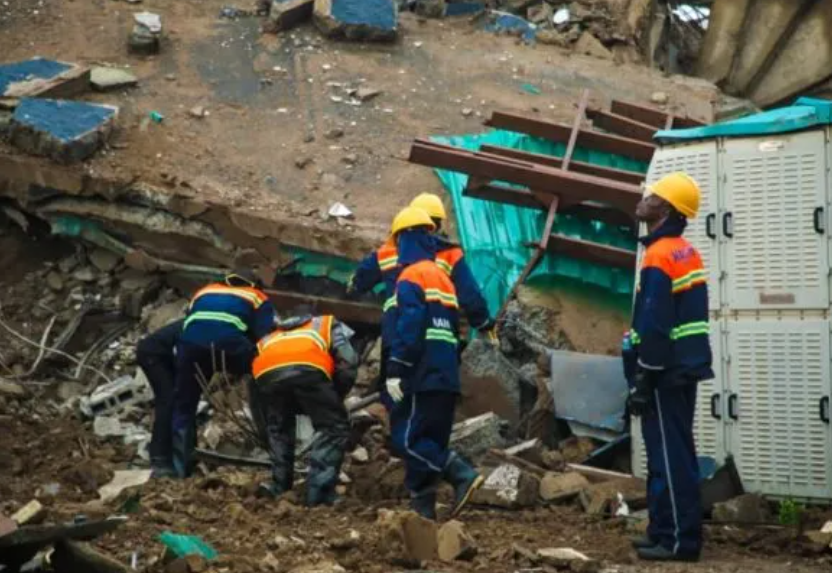

The death toll from the collapse of a four-storey building at Avenor in Accra has risen to three after one of the survivors rescued from the rubble died in hospital, as investigators examine possible regulatory and construction failures behind the tragedy.
ACCRA, Ghana — The death toll from the collapse of a four-storey building at Avenor in North Kaneshie has risen to three after one of the two survivors rescued from the rubble later died from injuries sustained in the incident, according to Accra Mayor Michael Kpakpo Allotey.
The building collapsed in the early hours of Sunday, June 7, trapping four people beneath the debris. Two victims were initially found dead at the scene, while two others were rescued alive and rushed to hospital. One of those survivors subsequently died, bringing the confirmed death toll to three.
Mayor Allotey said one of the deceased was the owner of a mother-and-baby retail shop operating within the building. Authorities have not yet released the identities of all the victims.
The structure, believed to have been constructed between 2020 and 2021, contained both residential and commercial units. Rescue personnel from the Ghana National Fire Service, National Disaster Management Organisation (NADMO) and other emergency agencies worked through the rubble following the collapse.
Questions Over Building Safety
As investigations continue, engineers who inspected the site have raised concerns about possible regulatory and structural deficiencies.
Members of the Ghana Institution of Engineers who visited the scene pointed to what they described as indications that the building may not have had the necessary permit approvals and may have contained concrete that did not meet expected structural standards. However, officials stress that formal testing and technical assessments are still ongoing and that no definitive conclusion has yet been reached.
Structural Engineer Emmanuel Aidoo warned that large multi-storey developments require proper engineering supervision and compliance with approved construction standards.
“These structures have to be engineered. You can’t just use your mind to construct such buildings. It’ll come back and hurt you,” he said.
Authorities say laboratory testing, including concrete sampling and structural modelling, will help determine the precise cause of the collapse.
Second Collapse Within Days
The Avenor tragedy is the second fatal building collapse reported in Accra within a week.
On June 3, a separate building collapsed at Adenta New Site, killing one person and injuring four others. The back-to-back incidents have renewed concerns about compliance with building regulations, enforcement of permit requirements and the effectiveness of structural safety inspections across the capital. The latest collapse has also intensified calls for local authorities to strengthen monitoring of construction projects and ensure that developers adhere to engineering and safety standards before buildings are occupied.
Growing Demand for Accountability
Urban planners and construction professionals have repeatedly warned that rapid urban growth, unauthorised developments and weak enforcement of planning regulations can increase the risk of structural failures. While investigators continue their work at the Avenor site, the incident is likely to increase pressure on city authorities to review existing oversight mechanisms and prevent similar tragedies.
For many residents, the key question is no longer how the building collapsed, but whether warning signs were missed and whether the disaster could have been prevented. The Accra Metropolitan Assembly has said investigations are continuing and that any breaches of planning or construction regulations identified during the inquiry will be addressed through the appropriate legal and regulatory processes.
Why This Matters
The Avenor collapse is no longer just a local tragedy. Coming days after another fatal building collapse in Accra, it raises broader questions about construction oversight, enforcement of building regulations and public safety in one of Africa’s fastest-growing urban centres.
Related posts:
 Avenor Building Collapse Kills Two as Officials Demand Tougher Enforcement of Building Regulations Accra Building Collapse: At Least Two Feared Trapped as Rescue Efforts Continue.
  Ghana floods displace families as heavy rains hit Cape Coast
  Nearly 300 Ghanaians evacuated from South Africa arrive in Accra amid anti-immigration protests
  Accra Flooding Crisis Decades in the Making, Engineers Warn