Ghana Parliament Passes Human Sexual Rights and Family Values Bill


Follow Nukunya
Get the latest breaking news and updates from Nukunya.
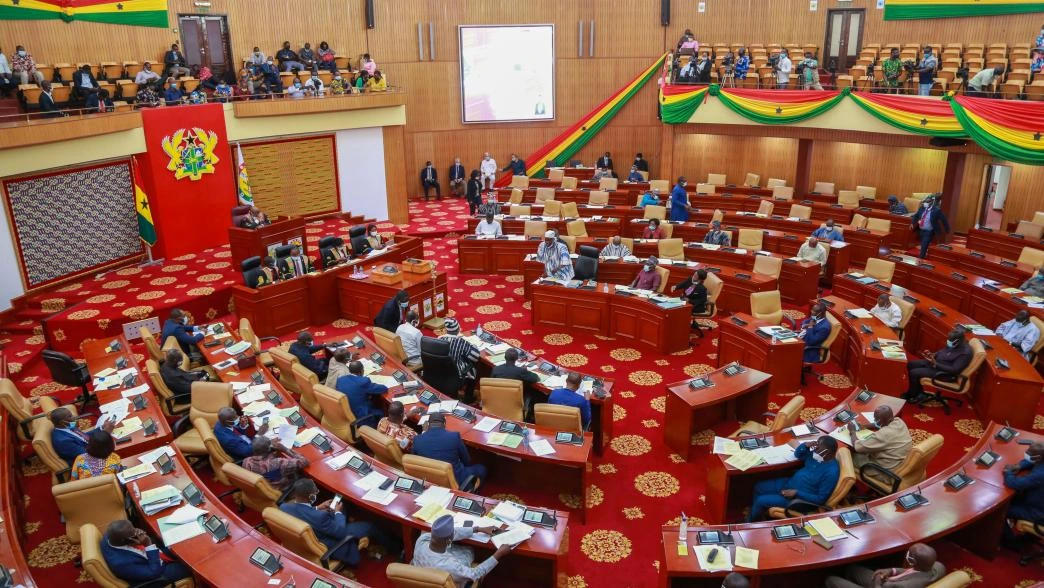
Ghana’s Parliament has approved the Human Sexual Rights and Family Values Bill, 2025, including amendments that exempt lawyers, journalists and healthcare professionals from certain sanctions. The legislation will now be presented to President John Dramani Mahama for assent before it can become law.
ACCRA, Ghana — Ghana’s Parliament has approved the Human Sexual Rights and Family Values Bill, 2025, reviving one of the country’s most debated pieces of legislation and setting the stage for a fresh legal and political battle over LGBTQ+ rights and family values.
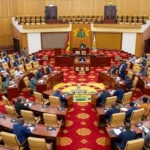
Lawmakers passed the bill on Friday following debate over a series of amendments that exempt lawyers, journalists and healthcare professionals from certain sanctions contained in earlier versions of the legislation. The bill will now be presented to President John Dramani Mahama for assent before it can become law.
The legislation proposes criminal penalties for individuals involved in activities prohibited under the bill, including the promotion, sponsorship and advocacy of LGBTQ+ causes. Supporters say the measure is necessary to protect Ghanaian cultural, religious and family values, while critics argue it risks undermining constitutional rights and freedoms.
Amendments Divide Lawmakers
One of the most contentious aspects of parliamentary debate centred on amendments introduced to the bill. The revised legislation exempts legal practitioners providing representation to persons affected by the law, journalists reporting on LGBTQ+-related issues in the course of their professional duties, and healthcare professionals providing medical, counselling or psychological services.
Some opposition lawmakers from the New Patriotic Party (NPP) argued that the exemptions weakened the bill compared with the version previously approved by Parliament in 2024. Others defended the changes as necessary safeguards to ensure professionals could carry out their duties without fear of prosecution. Parliament ultimately approved the amended legislation after debate.
Years of Public Debate
The Human Sexual Rights and Family Values Bill has generated significant public discussion since it was first introduced in Parliament in 2021. Supporters, including religious organisations and some traditional leaders, have argued that the legislation reflects the values and beliefs of many Ghanaians and is intended to strengthen the country’s social and family structures.
Human rights organisations and civil society groups have strongly opposed the bill. Human Rights Watch and other advocacy organisations have argued that the legislation could infringe rights to privacy, freedom of expression and protection from discrimination. The bill’s earlier passage in February 2024 attracted international attention and prompted legal challenges that delayed consideration by the presidency before the previous parliamentary term ended.
Regional and International Attention
The legislation places Ghana at the centre of a wider debate across Africa over laws governing same-sex relationships and LGBTQ+ rights. Several African countries have adopted or strengthened legislation in recent years relating to homosexuality, drawing praise from supporters who view such measures as protecting traditional values and criticism from international human rights organisations.
Debate over the Ghanaian bill has also prompted discussion about its potential implications for the country’s international partnerships, investment climate and global reputation. Supporters of the legislation maintain that Ghana has the sovereign right to enact laws that reflect its cultural and constitutional values.
What Happens Next?
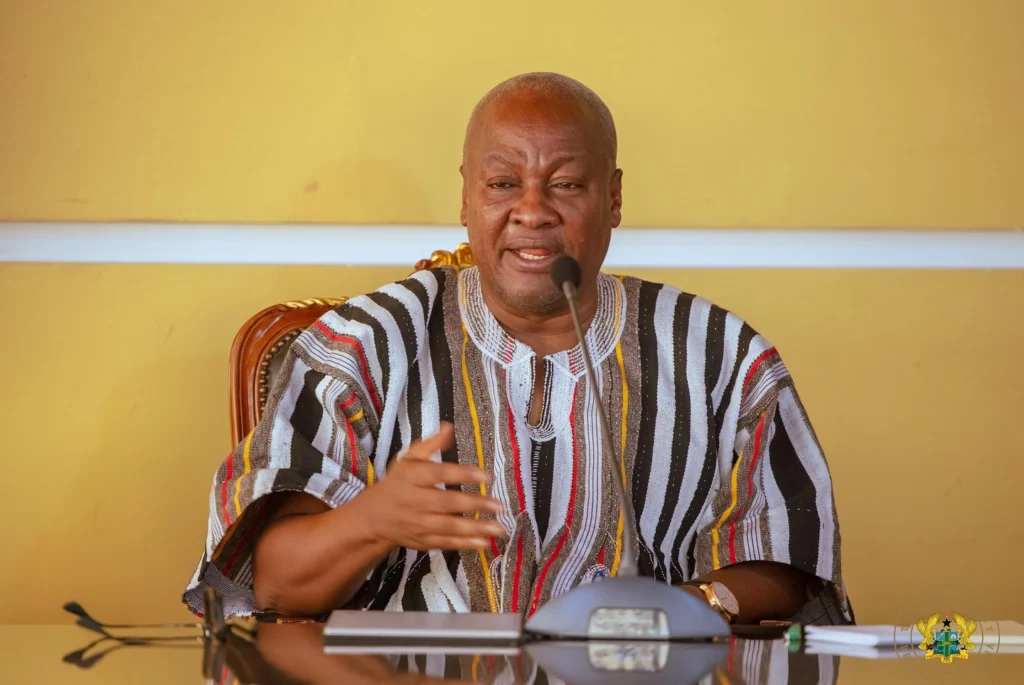
The bill now awaits consideration by President John Dramani Mahama. Under Ghana’s Constitution, legislation passed by Parliament must receive presidential assent before it becomes law. Legal experts expect the legislation could face further constitutional challenges if signed into law. For now, the Human Sexual Rights and Family Values Bill remains one of the most closely watched legislative developments in Ghana, reflecting deep divisions over human rights, cultural identity and the role of law in shaping social values.
Reporting by Edem Hodasi
Related posts:
 Ghana’s inflation slows for third consecutive month as food prices ease
  Ghana Rejects $109m US Health Deal Over Data-Sharing Concerns
  Ghana’s parliament debates new tax policy amid revenue push
  Ghana Welcomes First Evacuees From South Africa Amid Xenophobia Fears
  Ghana Allocates GH¢442 Million for Flood Recovery and Coastal Protection