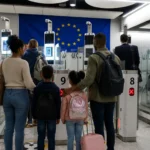
Ghana Challenges Canada’s Thomas Partey Visa Decision as World Cup Row Deepens
Ghana is seeking a review of Canada's decision to deny Thomas Partey entry for the Black Stars' opening World Cup match, triggering diplomatic and sporting debate.

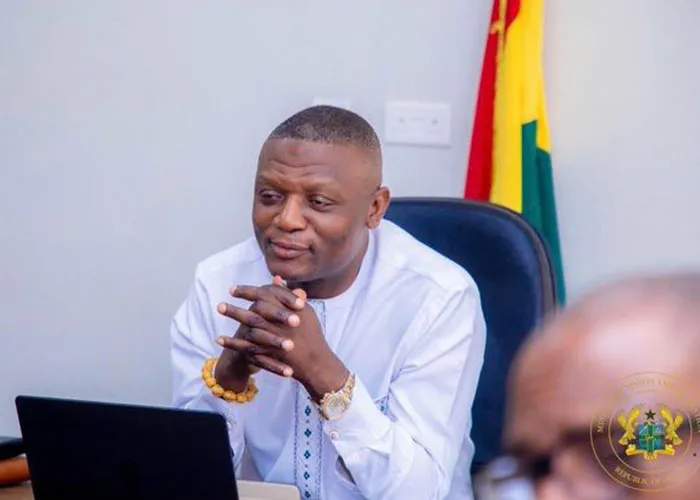

Ghana has launched diplomatic efforts to challenge Canada’s decision to deny midfielder Thomas Partey entry ahead of the Black Stars’ opening match of the 2026 FIFA World Cup, escalating a controversy that has raised questions about immigration policy, sporting fairness and the obligations of host nations.
BOSTON / ACCRA – Ghana has formally moved to challenge Canada’s decision to deny midfielder Thomas Partey entry for the Black Stars’ opening match of the 2026 FIFA World Cup, setting up a diplomatic dispute that has become one of the tournament’s most controversial off-field stories.
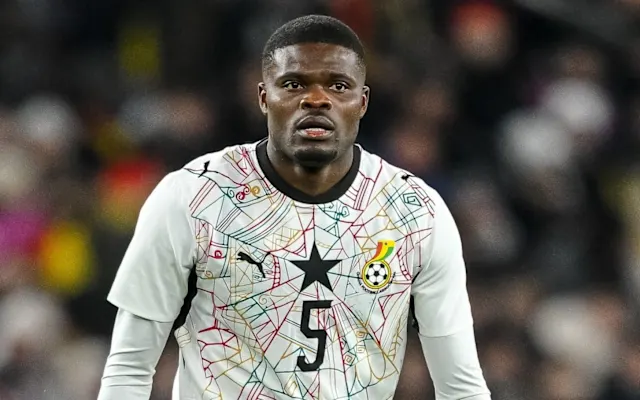
FIFA confirmed on Friday that Partey would be unable to travel from Ghana’s team base in Boston to Toronto for the Group L opener against Panama after his visa application was refused by Canadian authorities. The decision means Ghana will begin its World Cup campaign without one of its most experienced midfielders, despite Partey having been selected in the squad and already being present in North America.
Why Was Entry Refused?
The visa controversy centres on ongoing criminal proceedings in the United Kingdom involving the 32-year-old midfielder. According to FIFA and multiple reports, Partey has pleaded not guilty to several charges relating to alleged sexual offences and is awaiting trial. He has not been convicted of any offence.
FIFA said the decision rests entirely with the host country’s immigration authorities.
“FIFA is not involved in the immigration processes of host countries, including the adjudication of visas. The host government ultimately determines who receives a visa and is admitted into the country,” the governing body said.
Canadian authorities have maintained that immigration decisions are assessed individually under Canadian law.
Ghana Launches Diplomatic Push
The Ghanaian government has reacted strongly.
Sports and Recreation Minister Kofi Adams said the government had already engaged the Ministry of Foreign Affairs and other channels in an effort to secure a review of the decision. Adams argued that Partey remains legally innocent until proven guilty and questioned whether the refusal was consistent with the principle of presumption of innocence.
“He has not been found guilty,” Adams said, describing the grounds for the refusal as weak and calling for Canadian authorities to reconsider their position.
The minister also criticised FIFA’s response, arguing that the organisation should take a greater interest when a player selected for a World Cup squad is unable to participate because of host-country immigration decisions.
Team Refuses to Be Distracted
Despite the setback, Ghana’s leadership has attempted to project confidence ahead of the opening match. Speaking from the Black Stars’ camp in Boston, Adams insisted the squad remained focused and motivated.
“The camp is really very positive,” he said, adding that Ghana had sufficient depth to respond to the challenge.
He suggested that attempts to derail the team’s preparations could instead strengthen its resolve as it seeks to advance from a difficult group. Ghana are scheduled to face Panama before taking on England and Croatia in subsequent group matches. While Partey cannot play in Canada, he remains eligible for fixtures staged in the United States, where he has already been admitted.
Wider Questions for World Cup 2026
The dispute has reignited debate over how immigration rules intersect with international sport.
This is not the first controversy involving entry restrictions during the expanded 2026 World Cup. Reports cited by officials have highlighted other cases involving athletes, supporters and officials facing visa complications across host nations.
For Ghana, however, the issue is more immediate.
Partey’s absence deprives the Black Stars of a player who played a central role in qualification and was expected to be one of the team’s key leaders in midfield. Whether diplomatic engagement can alter Canada’s position remains unclear.
As of Friday evening, Ghanaian officials said they were still awaiting a response to their request for a review. For now, the Black Stars must prepare for Panama without one of their most influential players, while a dispute involving immigration law, international sport and diplomatic relations continues to unfold on the eve of the world’s biggest football tournament.
Related posts:
 Canada Refuses Entry to Thomas Partey, Dealing Blow to Ghana’s World Cup Campaign
  Ghana Name Final World Cup Squad as Kudus and Dede Ayew Miss Out Ghana Coach Queiroz Stands By Partey’s Inclusion Ahead of World Cup
  GFAF, Ghana Embassy Seek Diaspora Support for Black Stars
  Ghana Releases Over GH¢76 Million for Black Stars’ World Cup Campaign as Government Backs Tournament Push