11-Year-Old Boy Dies After Drowning in Dugout Pit at Adenta Aviation as Authorities Renew Safety Warning
An 11-year-old boy drowned in a dugout pit at Adenta Aviation in Accra. The Ghana National Fire Service recovered the body as authorities investigate.

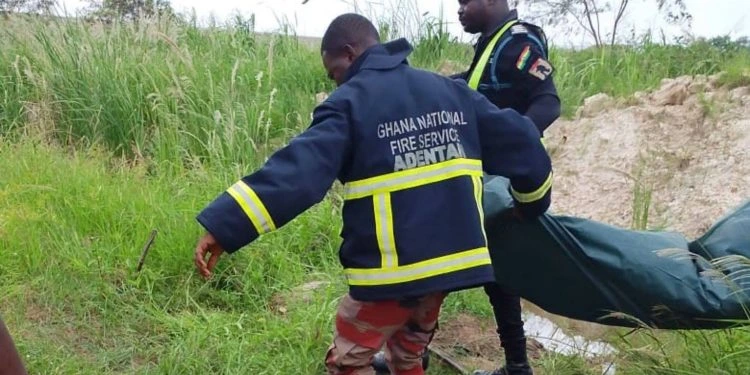

An 11-year-old boy has died after drowning in a dugout pit at Adenta Aviation in Accra, prompting a rescue operation by the Ghana National Fire Service and renewed concerns over hazardous uncovered excavation sites in residential communities.
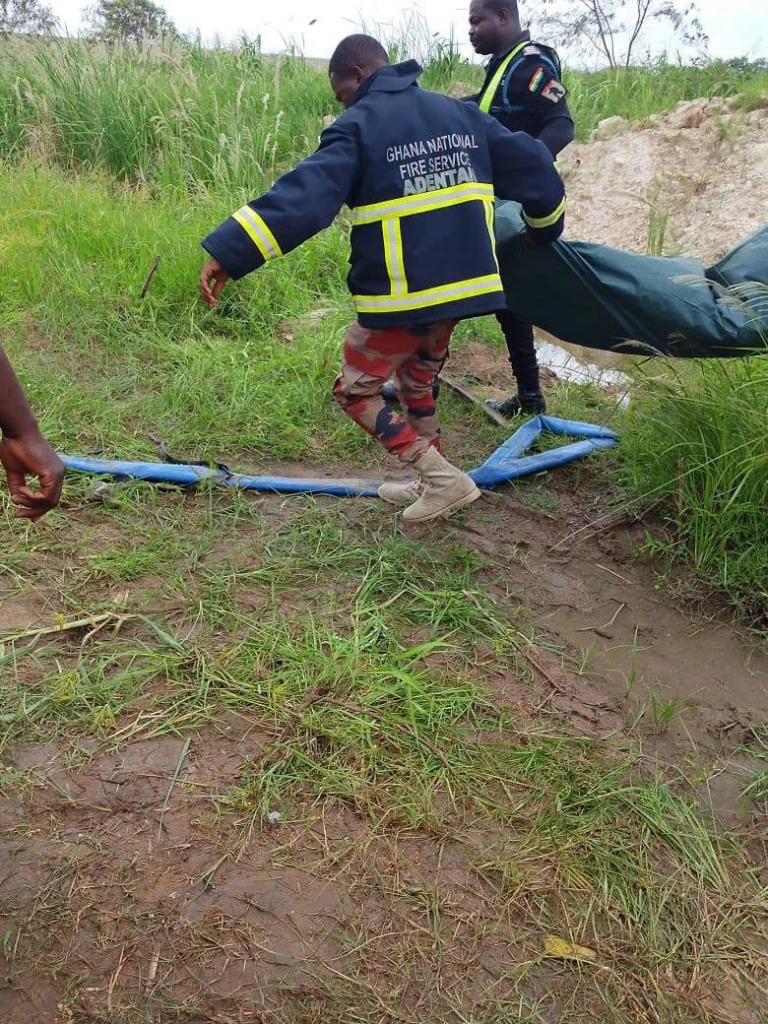
ACCRA, Ghana — An 11-year-old boy has died after drowning in a dugout pit at Adenta Aviation in the Greater Accra Region, with emergency responders recovering his body following an intensive search operation.
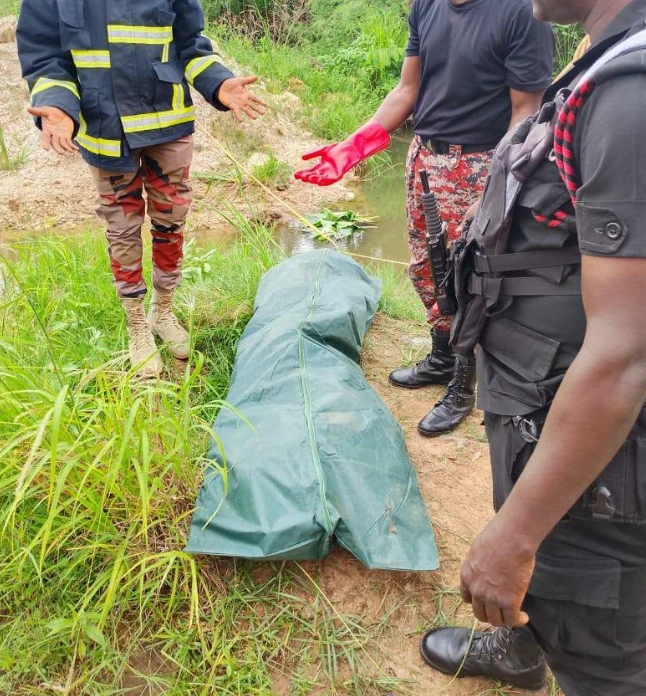
The victim, identified as Samuel Awalime, was found after personnel from the Ghana National Fire Service (GNFS), supported by other emergency and security agencies, conducted a search at the scene on Monday. Authorities have since handed the body to the Ghana Police Service as investigations continue into the circumstances surrounding the incident.
According to the GNFS, firefighters from the Adenta Fire Station responded immediately after receiving reports that a child had fallen into the water-filled pit. Rescue teams began searching the area shortly after arriving at the scene.
The operation was coordinated by officers from the Adenta Fire Station alongside personnel from other emergency services. After several hours of searching, rescuers recovered the boy’s body and transferred it to police investigators for the necessary legal and forensic procedures.
Reports indicate the incident occurred near the KNUST campus area at Adenta Aviation, where a dugout excavation had become filled with water. Authorities have not publicly disclosed how the child entered the pit or whether any safety barriers or warning signs were present.
The police are investigating the circumstances surrounding the death.
Renewed focus on abandoned excavation pits
The tragedy has renewed concerns about uncovered dugout pits and abandoned excavations across rapidly developing urban communities in Ghana. Residential areas experiencing construction and earth-moving activities often contain water-filled pits during the rainy season. Safety advocates have repeatedly warned that such sites can become dangerous, particularly for children.
Emergency responders have urged parents and guardians to remain vigilant and ensure children avoid abandoned excavation sites, uncovered pits and other hazardous water bodies. The incident also highlights wider questions about land restoration and site safety after excavation works are completed, especially in densely populated neighbourhoods where children frequently play outdoors.
Public safety challenge
Although drowning incidents are commonly associated with rivers, lakes and the coastline, emergency services have increasingly responded to emergencies involving abandoned construction pits, storm drains and other artificial water hazards.
Public safety experts say proper fencing, warning signs and timely reclamation of excavation sites are essential to reducing preventable deaths. Authorities have not indicated whether additional inspections or enforcement measures will follow the latest incident.
The investigation remains ongoing.
Why This Matters
The death raises wider questions about unsecured excavation sites, construction oversight and the protection of residents in rapidly expanding urban communities.
The Wider Public-Safety Question
The death highlights broader concerns surrounding unsecured excavation sites in expanding urban communities. Open pits, incomplete foundations and poorly protected construction zones can pose serious risks, particularly where sites are close to homes, roads, schools or public walkways.
The outcome of the police investigation could clarify the immediate circumstances of the incident. Its wider significance, however, lies in whether authorities strengthen enforcement of safety standards for construction and land-development projects.
Effective prevention requires more than responding after an accident. It depends on clear responsibility for site security, regular inspection, visible warnings, physical barriers and prompt sanctions where safety requirements are ignored.
Why Unsecured Excavation Sites Are Dangerous
Falls and Entrapment
Deep or concealed excavations can cause fatal falls, particularly at night or during poor weather.
Flooding and Water Accumulation
Rainwater can fill open pits, increase drowning risks and weaken surrounding ground.
Structural Collapse
Unsupported soil and unfinished structures may collapse without warning.
Community Exposure
Children, pedestrians and nearby residents may be exposed where sites lack fencing, lighting or warning signs.
What Authorities and Developers Should Do
- 1
Secure excavation sites with durable perimeter barriers.
- 2
Install visible warning signs and adequate night-time lighting.
- 3
Conduct regular municipal and building-control inspections.
- 4
Require developers to identify a responsible site-safety officer.
- 5
Apply sanctions where public-safety requirements are breached.
- 6
Create clear public channels for reporting dangerous sites.
What the Investigation May Clarify
Immediate Questions
- How the victim entered or reached the excavation site.
- Whether the location was properly fenced or marked.
- Who controlled or managed the site.
- Whether safety complaints had previously been raised.
Wider Regulatory Questions
- Whether the project had the required approvals.
- How often the site had been inspected.
- Whether applicable safety conditions were enforced.
- What corrective action authorities may now require.
Related posts:
 Accra Building Collapse: At Least Two Feared Trapped as Rescue Efforts Continue. Avenor Building Collapse Kills Two as Officials Demand Tougher Enforcement of Building Regulations
  Interior Ministry urges Ghanaians to stay where they are as floods disrupt Accra
  Accra floods: GNFS rescues 479 as five die and one remains missing
  Five arrested after police recover firearms and ammunition in Accra intelligence operation