The Labadi Beach Demolition: Impact, Reasons, and the Future of Accra’s Coastline

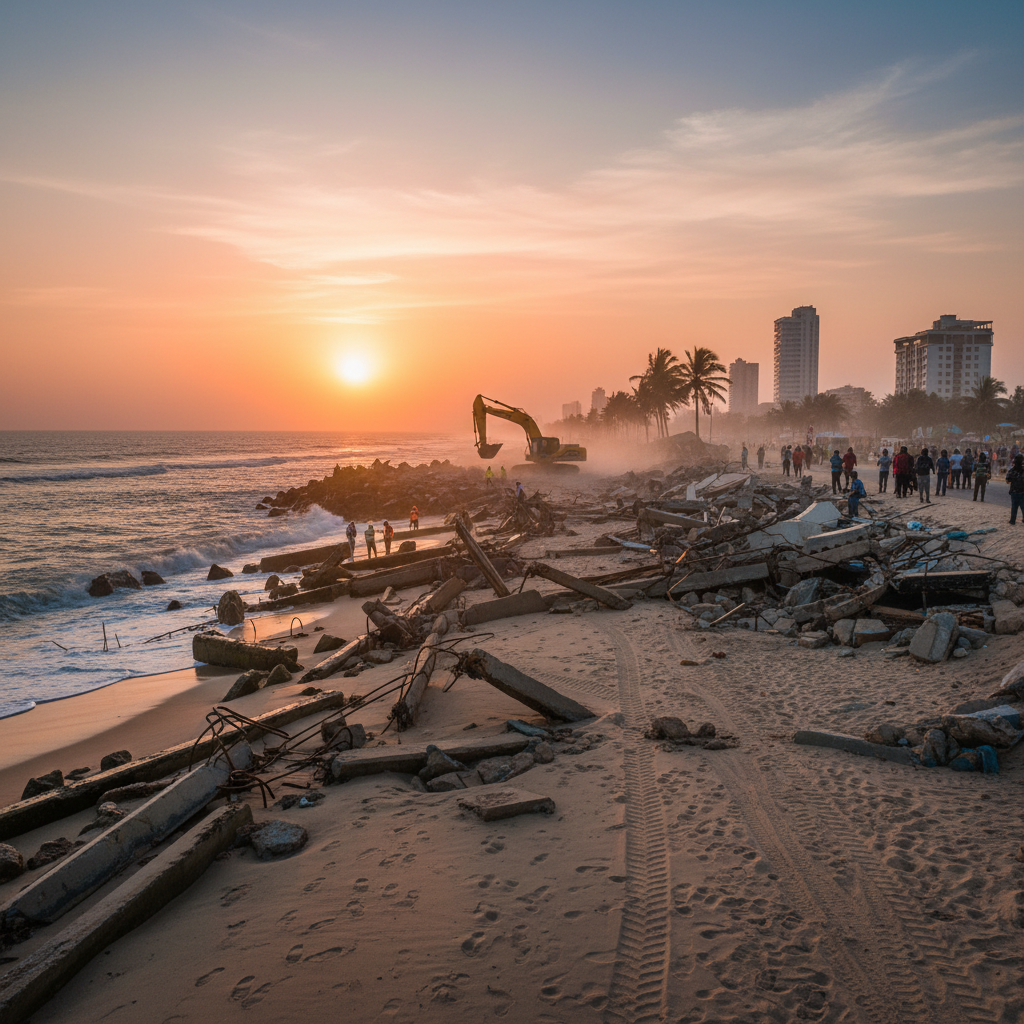

The Sudden Transformation of Labadi Beach
In recent months, the scenic landscape of Labadi Beach—Ghana’s most popular urban coastline—has undergone a drastic and jarring transformation. What was once a bustling corridor of wooden shacks, vibrant artisan stalls, and makeshift eateries was suddenly reduced to rubble. The Labadi Beach demolition exercise, carried out with heavy machinery under the supervision of security forces, marked a significant turning point in the management of Accra’s public spaces.
The timeline of events moved swiftly. Within a matter of days, structures that had stood for decades were leveled to the ground. The immediate physical change to the coastline is undeniable; the view of the Atlantic Ocean is now unobstructed, but the absence of the lively, chaotic energy that defined the beach for generations is palpable. This clearing was not an isolated incident but a coordinated effort to address what authorities described as long-standing issues of urban sprawl and non-compliance along the shore.
Voices from the Rubble: The Impact on Local Vendors
Behind the statistics of cleared acreage and demolished square footage are the human stories of thousands whose livelihoods depended on the Accra beach clearing. For many local vendors, Labadi Beach was not just a workplace; it was an ancestral economic hub where families had operated businesses for over thirty years.
- Small Business Owners: Restaurateurs who served local delicacies like Jollof rice and fried fish watched as their kitchens and dining areas were flattened. Many lost not just their structures, but expensive equipment and inventory they were unable to move in time.
- Artisans and Curio Sellers: The “Art Village” segment of the beach, known for hand-carved masks and Kente cloth, has been decimated. Vendors argue that they were the primary draw for international tourists seeking authentic Ghanaian souvenirs.
- The Horse Owners: A staple of Labadi Beach culture, the horse riders who offer coastal tours, now find themselves without stable areas or a designated space to operate, leading to a significant drop in daily earnings.
The Labadi Beach vendors livelihood crisis is exacerbated by the lack of immediate relocation plans. Many business owners claim that while they were aware of discussions regarding redevelopment, the specific timing and scale of the demolition caught them off guard, leaving them with no means to support their families in the interim.
The Official Stance: Reasons Behind the Demolition
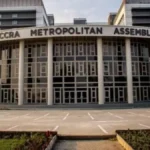
The La Dade-Kotopon Municipal Assembly (LaDMA), in conjunction with the traditional authorities and beach management, has defended the exercise as a necessary “surgical” intervention for the greater good of the city. According to official statements, the primary drivers for the clearing were sanitation, security, and the removal of unauthorized structures in Accra.
Sanitation and Environmental Health
For years, Labadi Beach has struggled with waste management. The assembly noted that the density of unregulated structures made it impossible to implement proper sewage systems or regular trash collection. This led to significant plastic pollution and the contamination of the beachfront, which threatened both public health and marine life.
Security Concerns
Authorities cited an increase in reported criminal activities within the maze of makeshift buildings. The lack of lighting and clear pathways made it difficult for police to patrol the area effectively at night. By clearing the coastline, LaDMA aims to create a “transparent” environment where illicit activities have nowhere to hide, ensuring a safer experience for both locals and expatriates.
Zoning and Compliance
Perhaps the most critical legal reason provided was that many of the structures were built without permits on government-protected land. The assembly emphasized that while they support entrepreneurship, the “haphazard” nature of the previous development was unsustainable and hindered the broader Ghana tourism redevelopment goals.
The Redevelopment Vision: What Comes Next?
The demolition is described by the government as the “clearing of the canvas” for a modern, world-class beachfront. The proposed vision for Labadi Beach involves a multi-phase redevelopment project aimed at aligning Accra’s coastline with international standards found in cities like Dubai or Barcelona.
Key features of the redevelopment plan include:
- Paved Walkways and Green Spaces: Creating a pedestrian-friendly promenade that encourages exercise and leisure.
- Standardized Vendor Booths: Replacing the haphazard shacks with uniform, aesthetically pleasing kiosks that meet health and safety codes.
- Modern Amenities: Construction of public restrooms, showers, and centralized waste disposal units to maintain hygiene.
- Improved Lighting and Surveillance: Installation of solar-powered streetlights and CCTV cameras to boost nighttime security.
The goal is to move away from “informal tourism” and toward a high-value model that can attract luxury hotel chains and high-spending international visitors, thereby increasing the tax revenue generated by the municipal assembly.
Cultural and Economic Significance of Labadi Beach
Labadi Beach holds a unique place in the Ghanaian psyche. It is the site of the “La Kpa” festival and a vital social outlet for the residents of Accra, particularly on holidays and weekends. It is one of the few places where the socio-economic classes of Ghana mingle freely, from the elite in private beach clubs to the youth enjoying free public access.
Economically, the beach is a cornerstone of the hospitality industry. The hotels bordering the beach, including the Labadi Beach Hotel and La Palm Royal Beach Hotel, rely on a clean and vibrant coastline to attract guests. However, the recent demolition has created a temporary vacuum. While the long-term goal is to increase value, the short-term ripple effect includes a decline in visitor numbers as the “soul” of the beach—the music, the stalls, and the crowds—has been temporarily silenced.
Navigating the Future of Accra’s Coastal Tourism
The Labadi Beach demolition serves as a case study in the complexities of urban renewal in a developing economy. While the need for better sanitation, security, and modernization is indisputable, the execution of these plans must be balanced with social responsibility. The future of Accra’s coastline depends on whether the La Dade-Kotopon Municipal Assembly can successfully integrate the displaced vendors into the new vision.
True success will not just be measured by the beauty of the new infrastructure, but by its inclusivity. For Labadi Beach to remain the heart of Accra, it must evolve into a space that is modern and safe, yet still reflects the vibrant, entrepreneurial spirit of the Ghanaian people. As the dust settles, all eyes are on the government to see if the promised “modernization” will truly benefit the many, or only the few.
In conclusion, the transformation of Labadi Beach is an ambitious attempt to reclaim Accra’s coastline for high-level tourism and public safety. While the immediate impact on local livelihoods has been severe, the potential for a cleaner, safer, and more structured beachfront remains a primary goal for Ghana’s future economic growth.