
Ghana to Begin Final Evacuation of Nearly 900 Citizens from South Africa on July 25


Follow Nukunya
Get the latest breaking news and updates from Nukunya.
Ghana will begin the final phase of its voluntary repatriation programme for citizens affected by xenophobic violence in South Africa on 25 July. Authorities say about 900 registered Ghanaians are expected to return home under the government-backed operation.
ACCRA, Ghana — Ghana will begin the final phase of its voluntary evacuation of citizens from South Africa on 25 July, with nearly 900 registered Ghanaians expected to return home following months of security concerns linked to xenophobic attacks.
The exercise, announced by Ghana’s High Commissioner to South Africa, Benjamin Quashie, will conclude a government-assisted repatriation programme launched after violence and intimidation affected sections of the Ghanaian community living in South Africa.
Speaking to members of the Ghanaian community in South Africa, Mr Quashie said the latest operation had received approval through the Office of President John Dramani Mahama and the Ministry of Foreign Affairs to assist citizens who had voluntarily opted to return home after months of uncertainty.
Authorities say approximately 926 Ghanaians have already returned to Ghana during earlier phases of the evacuation programme. The July operation is expected to repatriate the remaining registered beneficiaries before bringing the mass evacuation exercise to a close.
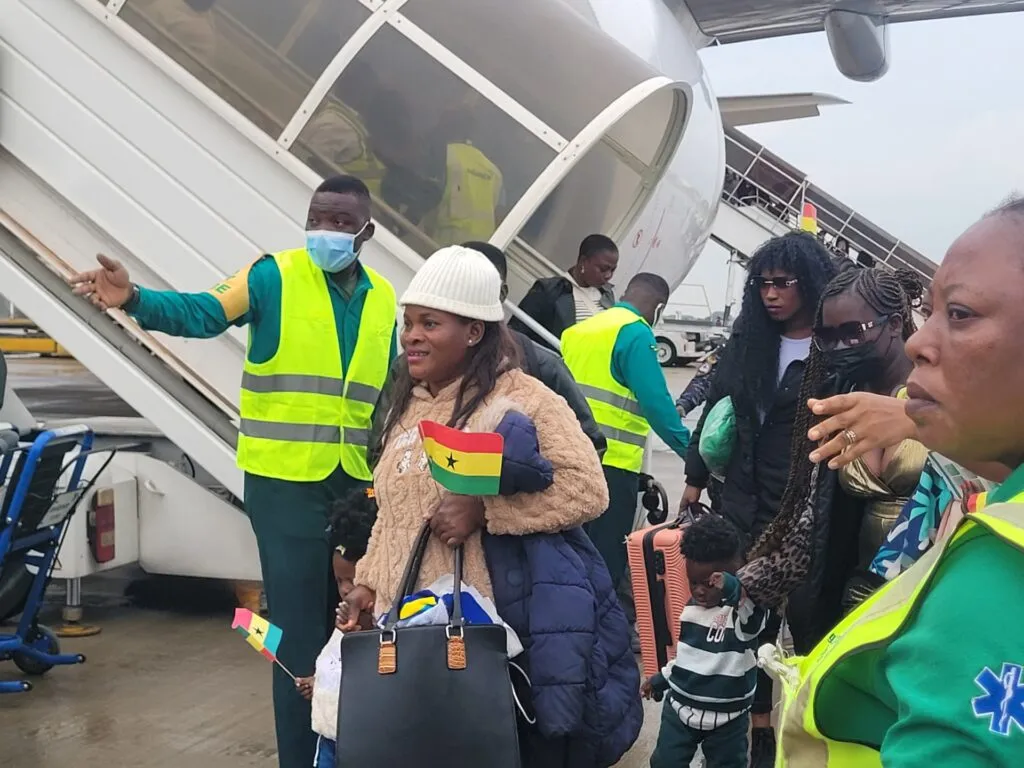
Mr Quashie said South Africa’s Department of Home Affairs and Border Management authorities had approved 25 July as the official start date, with scheduled daily flights continuing until all eligible participants had returned to Ghana.
He stressed that no new registrations would be accepted for the final operation, explaining that only individuals who had already completed the registration and security screening process would qualify for government assistance.
“We are not doing new registrations. We are going according to those who have been registered and screened,” Mr Quashie said.
Officials said beneficiaries would receive notification of their individual departure schedules before being transported from designated assembly points to departure airports.
The High Commissioner also advised registered participants not to travel to the Ghana High Commission in Pretoria without prior notification or arrive carrying luggage before receiving official instructions, saying such actions could disrupt the carefully coordinated process.
According to Mr Quashie, the final group consists of individuals who have been verified as genuinely requiring assistance to return home because of the difficult circumstances they have experienced since xenophobic attacks intensified.
Following completion of the exercise, Ghana’s government-sponsored mass repatriation programme will formally end. Future requests for assistance from Ghanaians living in South Africa will instead be handled through the High Commission’s regular consular services on a case-by-case basis.
Mr Quashie thanked President Mahama and Foreign Affairs Minister Samuel Okudzeto Ablakwa for supporting the evacuation programme despite competing national priorities, describing the operation as part of Ghana’s commitment to protecting the welfare of its citizens abroad.
The evacuation follows renewed concerns over xenophobic violence targeting foreign nationals in parts of South Africa. While South African authorities have repeatedly condemned such attacks and pledged to enforce the law, periodic outbreaks of anti-immigrant violence have prompted several countries, including Ghana, to organise voluntary repatriation exercises for citizens wishing to return home.
For affected Ghanaian families, the July operation is expected to mark the conclusion of a programme that has helped hundreds return safely after months of uncertainty.
Public Safety Explainer
Final evacuation phase
Ghana Begins Final Evacuation Phase From South Africa
The final operation is expected to return about 900 registered Ghanaians, following earlier phases in which authorities say 926 citizens were repatriated.
Final phase begins 25 July 2026
Operation at a glance
The Numbers Behind the Evacuation
About 900 registered Ghanaians are expected to return during the final phase.
Authorities say 926 citizens returned during earlier stages of the programme.
Flights are expected to continue until all registered beneficiaries have returned.
Officials say no new registrations will be accepted during the final operation.
Nukunya Analysis
Why This Matters
The operation represents the final stage of one of Ghana’s largest recent government-assisted overseas evacuation programmes.
It reflects continuing efforts by Ghanaian authorities to protect citizens affected by security concerns abroad while maintaining diplomatic engagement with South Africa.
The longer-term significance will depend on whether returnees receive appropriate support after arrival, including access to information, temporary assistance and pathways for reintegration where required.
Confirmed operational details
Key Facts
-
01
Final evacuation begins 25 July 2026
Authorities have identified 25 July as the start of the programme’s final phase.
-
02
About 900 registered Ghanaians are expected
The final phase is intended for citizens who completed the registration process.
-
03
926 citizens returned in previous phases
Authorities say earlier operations had already repatriated more than 900 Ghanaians.
-
04
No new registrations will be accepted
The final operation will focus on people already recorded as beneficiaries.
-
05
Daily flights will continue
Flights are expected to operate until all registered beneficiaries have returned.
-
06
Consular assistance will remain available
Ghanaian diplomatic officials are expected to continue assisting citizens after the evacuation programme formally ends.
Next stages
What Happens Next?
Editorial transparency
What Is Confirmed — and What Requires Further Detail
Confirmed Operational Information
- The final phase begins on 25 July 2026.
- About 900 registered citizens are expected to return.
- Previous phases repatriated 926 citizens.
- No new registrations will be accepted.
- Daily flights are planned.
Details Still to Be Monitored
- The exact number transported on each flight.
- The final completion date.
- Arrival and reintegration support arrangements.
- Whether exceptional cases will be considered later.
- The programme’s final cost and operational assessment.
Quick brief
Key Takeaways
- 01
The final evacuation phase begins on 25 July 2026.
- 02
About 900 registered Ghanaians are expected to return.
- 03
926 citizens were repatriated during earlier phases.
- 04
No new registrations will be accepted for the final operation.
- 05
Daily flights will continue until registered beneficiaries return.
- 06
Consular support will continue after the programme ends.
Related posts:
 First group of Ghanaians repatriated from South Africa after migrant protests
  Ghana Welcomes First Evacuees From South Africa Amid Xenophobia Fears
  Ghana Evacuates 345 More Citizens from South Africa as Other African States Study Rescue Plan
  Ghana moves nearly 900 citizens to safe havens ahead of South Africa protests
  Ghana demands justice after citizen killed during South Africa anti-immigration protests