
Ghana Evacuates 345 More Citizens from South Africa as Other African States Study Rescue Plan

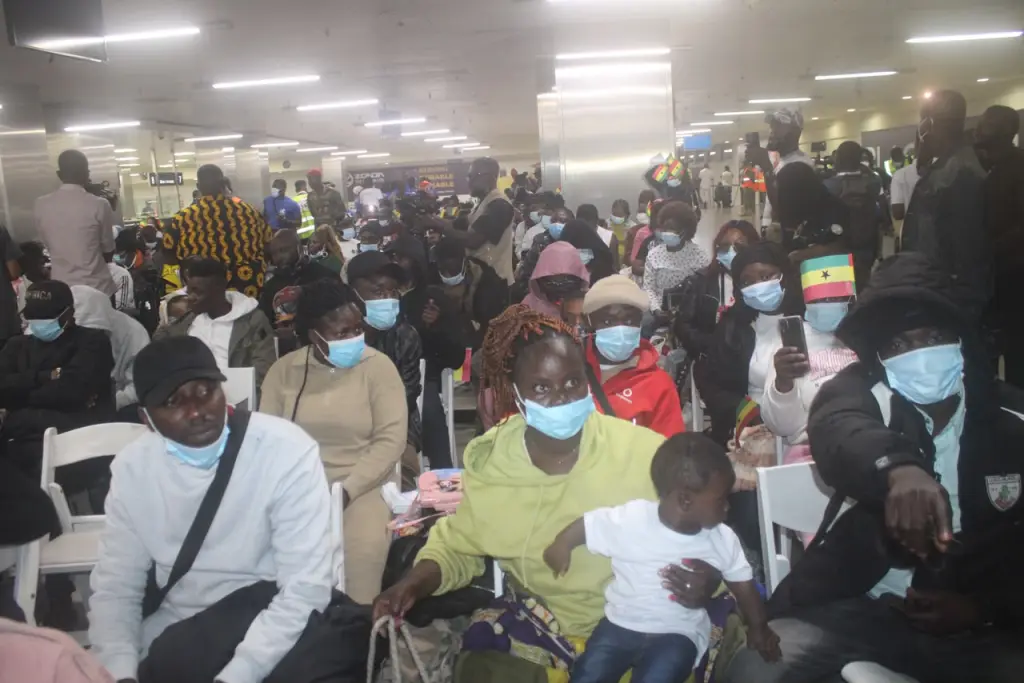

Ghana has repatriated another 345 citizens from South Africa amid renewed xenophobic violence, with Foreign Affairs Minister Samuel Okudzeto Ablakwa saying several African governments are now studying Ghana’s emergency evacuation strategy.
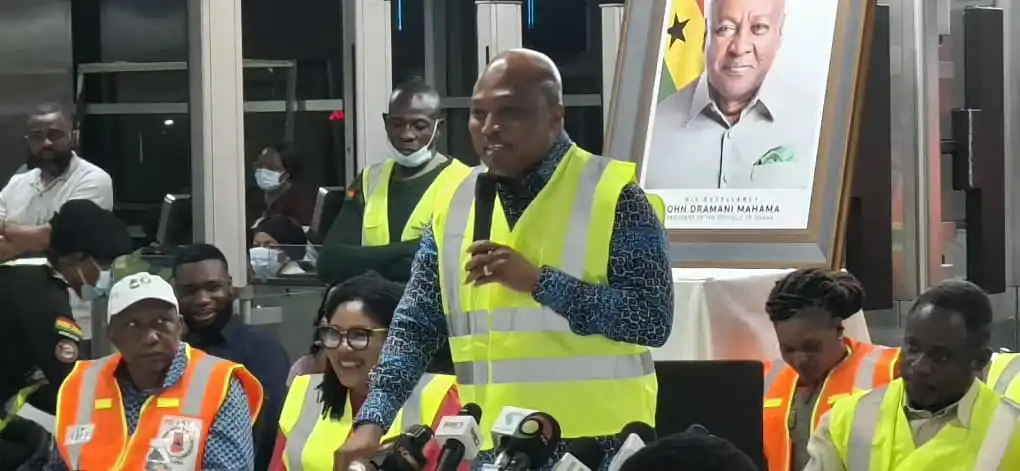
ACCRA, Ghana — Ghana has evacuated another 345 citizens from South Africa as part of an emergency repatriation programme launched in response to renewed xenophobic violence and growing concerns over the safety of foreign nationals.
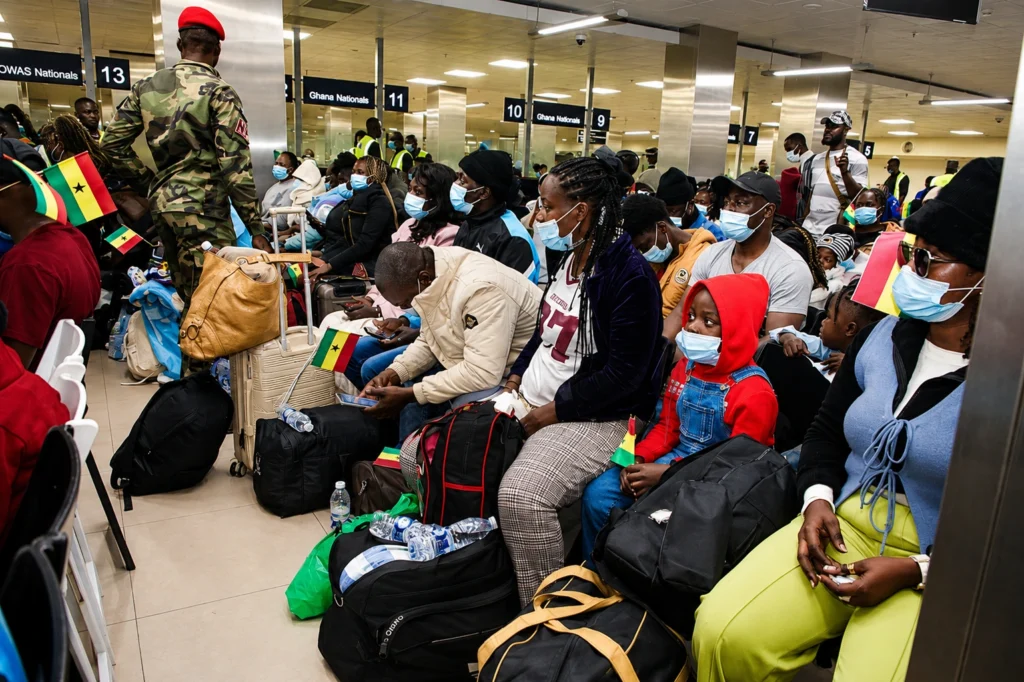
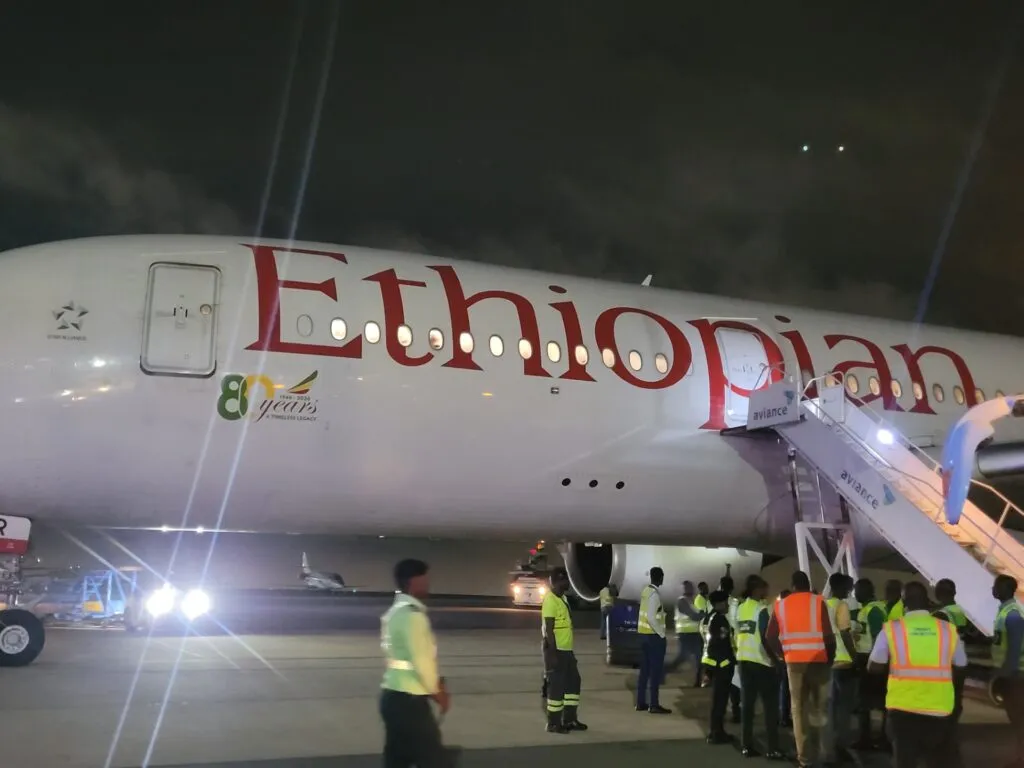
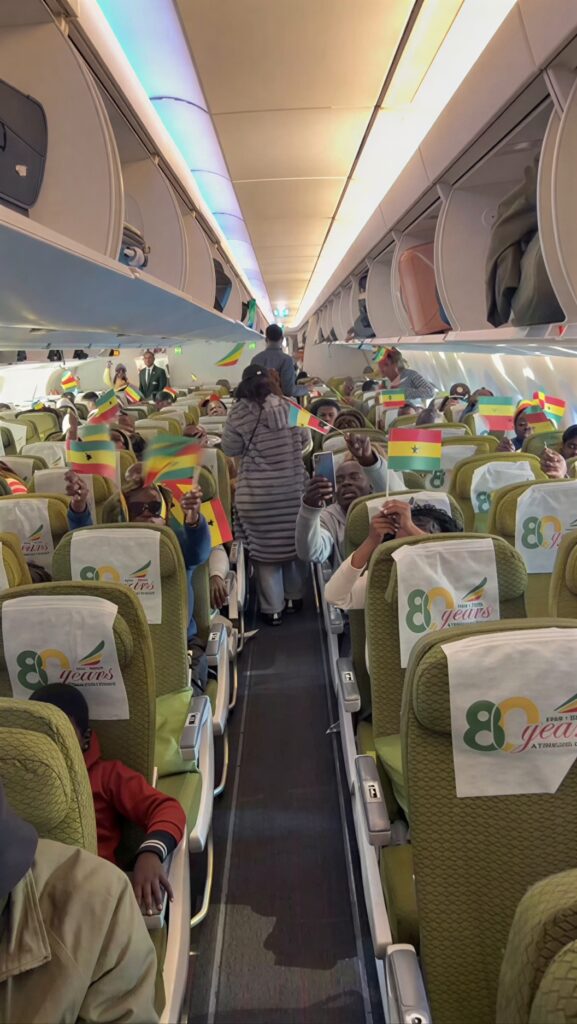
The returnees arrived at Kotoka International Airport on Saturday aboard the second evacuation flight organised by the Government of Ghana, joining hundreds of compatriots who had already been brought home under a coordinated rescue operation led by the Ministry of Foreign Affairs and Regional Integration. The latest flight forms part of a broader effort to assist Ghanaians seeking to leave South Africa following reports of intimidation, attacks, threats and anti-immigrant violence affecting foreign nationals in parts of the country.
More Than 1,500 Ghanaians Registered for Evacuation
Officials say the scale of the operation exceeded initial expectations. According to the Ministry of Foreign Affairs, more than 1,500 Ghanaians eventually registered for evacuation, significantly increasing logistical demands on authorities coordinating the airlift programme.
The first evacuation flight, carrying approximately 300 citizens, arrived in Accra on 27 May. Officials said the unexpectedly high number of registrations contributed to delays as authorities worked to process travel documentation, transport arrangements and emergency assistance. Many of the returnees are understood to have left behind businesses, employment opportunities, homes and personal belongings accumulated over years of residence in South Africa.
Why Ghana’s Response Is Drawing Attention Across Africa
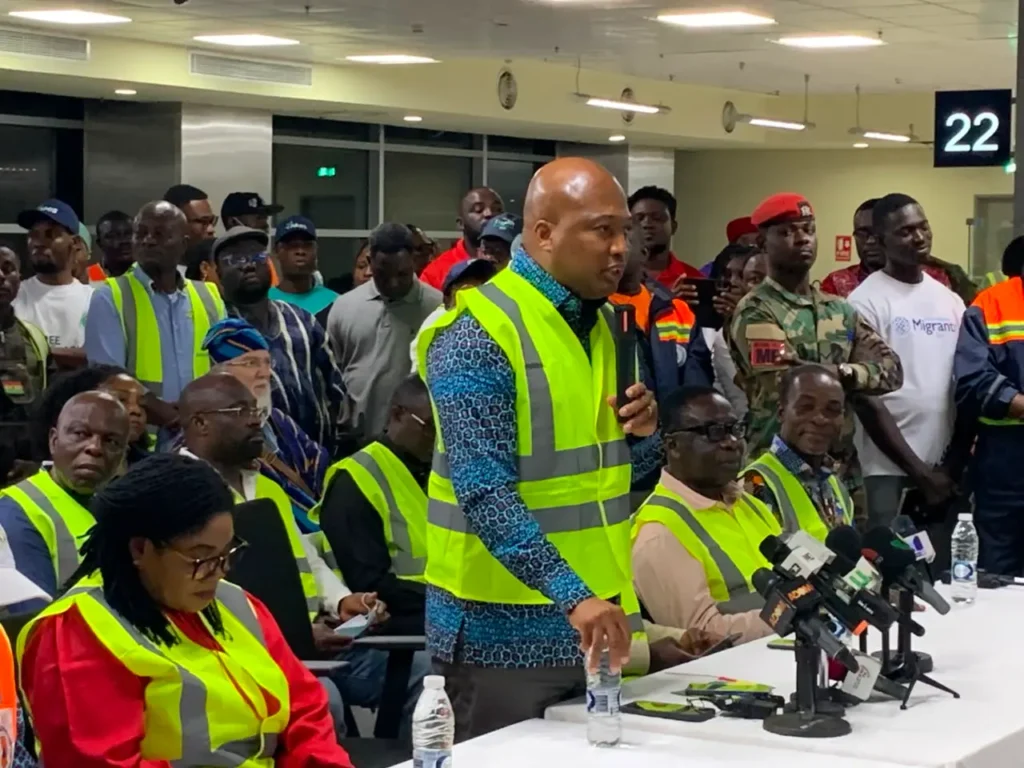
Foreign Affairs Minister Samuel Okudzeto Ablakwa says Ghana’s response has attracted interest from governments across the continent. Speaking to returnees at Kotoka International Airport, Mr Ablakwa revealed that several African foreign ministers had contacted Ghana to learn how the evacuation operation was planned and executed.
According to the minister, Ghana moved quickly to protect its citizens while some governments were still assessing developments on the ground. He said the operation could serve as a model for future emergency evacuations involving African citizens facing crises abroad. The minister described the protection of Ghanaian citizens overseas as a national responsibility and said government agencies would continue to support those affected by the unrest.
Government Pursuing Compensation for Victims
Beyond the evacuation effort, the government says it intends to pursue compensation for citizens who suffered financial losses during the unrest. Mr Ablakwa said mechanisms are being developed to document claims involving damaged businesses, destroyed property and lost investments.
Officials from the National Disaster Management Organisation (NADMO), the Ghana Immigration Service and other agencies have reportedly begun gathering information from affected returnees. The minister assured evacuees that the government would continue exploring legal and diplomatic avenues to seek redress for losses incurred during the crisis.
Humanitarian Support for Returnees
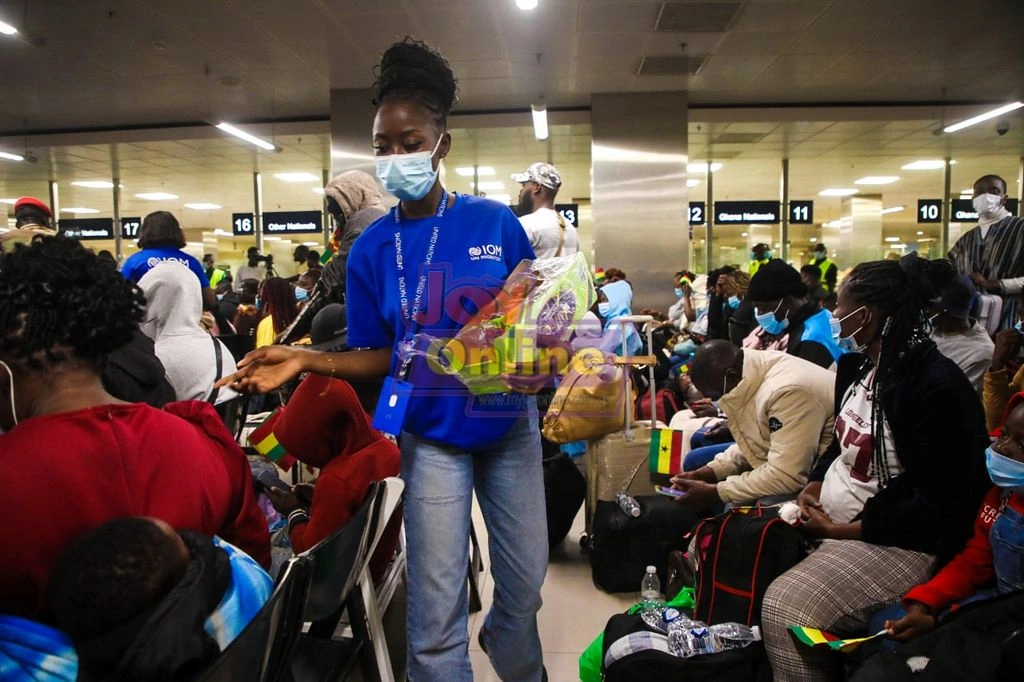
Upon arrival in Accra, returnees underwent immigration processing and received assistance from government agencies and support teams. Authorities say immediate support measures are being provided while longer-term reintegration programmes are assessed. Government officials indicated that a third evacuation flight carrying more than 300 additional Ghanaians was expected to arrive as efforts continue to assist citizens wishing to return home.
A Long-Running Regional Challenge
South Africa has experienced periodic outbreaks of xenophobic violence over the past two decades, often targeting migrants and business owners from elsewhere in Africa. The attacks have repeatedly strained diplomatic relations between South Africa and several African countries whose citizens have been affected.
Human rights organisations and African governments have frequently warned that xenophobic violence undermines regional integration, economic cooperation and the broader vision of African unity. South African authorities have previously condemned xenophobic attacks and pledged action against those responsible. At the time of publication, no official response had been issued regarding Ghana’s latest evacuation operation.
More Than an Evacuation
For many returnees, the journey home marks the end of years spent building businesses, careers and livelihoods in South Africa. For Ghanaian authorities, however, the operation represents more than a repatriation exercise. It has become a test of how African governments respond when citizens abroad face sudden threats to their safety, security and economic wellbeing. As evacuation efforts continue, Ghana’s approach is increasingly being viewed as a potential blueprint for protecting citizens during future regional crises.
Related posts:
 Nearly 300 Ghanaians evacuated from South Africa arrive in Accra amid anti-immigration protests
  Ghana Repatriates Nearly 300 Citizens From South Africa Amid Migrant Tensions
  Ghana Welcomes First Evacuees From South Africa Amid Xenophobia Fears
  Mahama Meets King Charles III as Ghana Seeks UK Investment
  Ghana Challenges South Africa Over Xenophobic Attacks, Rejects Crime Allegations Against Ghanaians