
Europe Wildfires Force 20,000 Evacuations as Extreme Heat Fuels Fires Across France, Spain and Italy

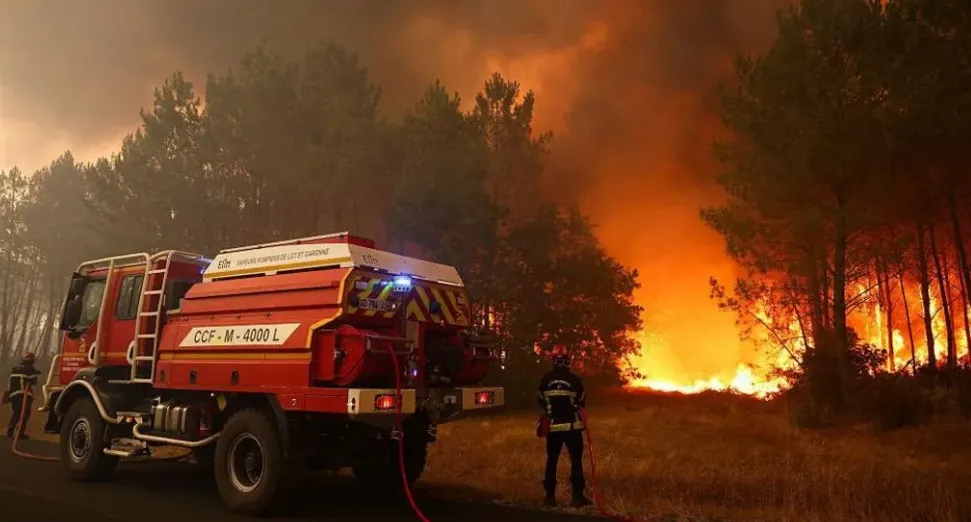

Thousands of residents have fled their homes as intense heat and powerful winds drive major wildfires across southern Europe, stretching emergency services and highlighting growing climate risks.
PARIS — More than 20,000 people have been evacuated across parts of southern Europe as fast-moving wildfires fuelled by extreme heat and strong winds continue to threaten communities in France, Spain and Italy, forcing emergency services into large-scale firefighting operations and disrupting transport networks.
Authorities in southwest France ordered fresh evacuations around the Arcachon Bay area after a rapidly expanding wildfire spread through forests near Lège-Cap-Ferret in the Gironde department. Officials said approximately 12,000 people were evacuated overnight, while thousands more were later moved from campsites, residential areas and holiday accommodation as a precaution.
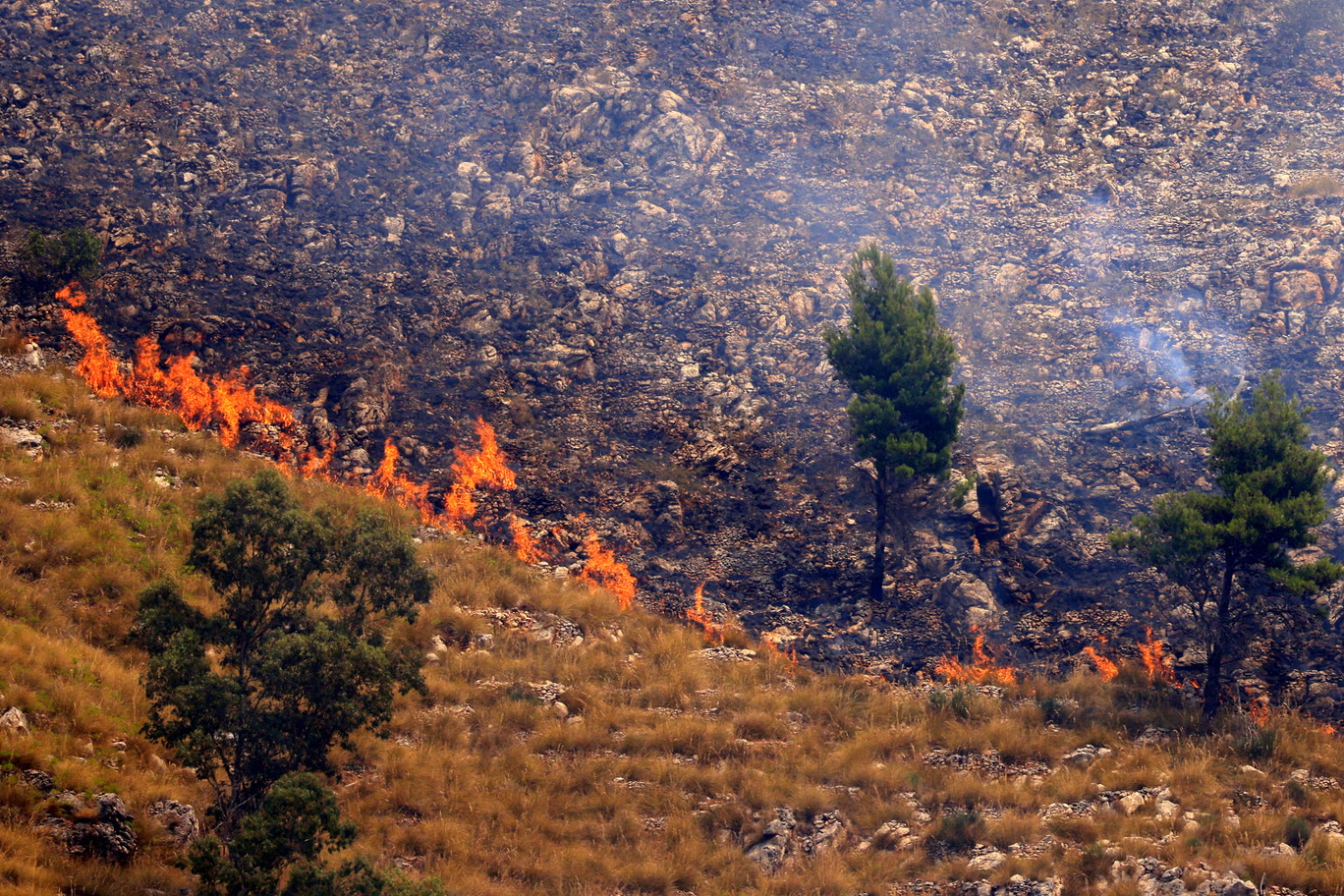
The fire has already destroyed thousands of hectares of woodland, while hundreds of firefighters, aircraft and specialist emergency vehicles remain deployed in difficult conditions. Officials warned that rising temperatures and unpredictable winds could allow the blaze to spread further despite intensive containment efforts.
Emergency authorities said several roads had been closed and access to affected forest areas restricted to protect residents and support firefighting operations. No civilian deaths had been reported in the latest evacuations, although two firefighters died earlier this week while responding to another major wildfire near Bordeaux airport.
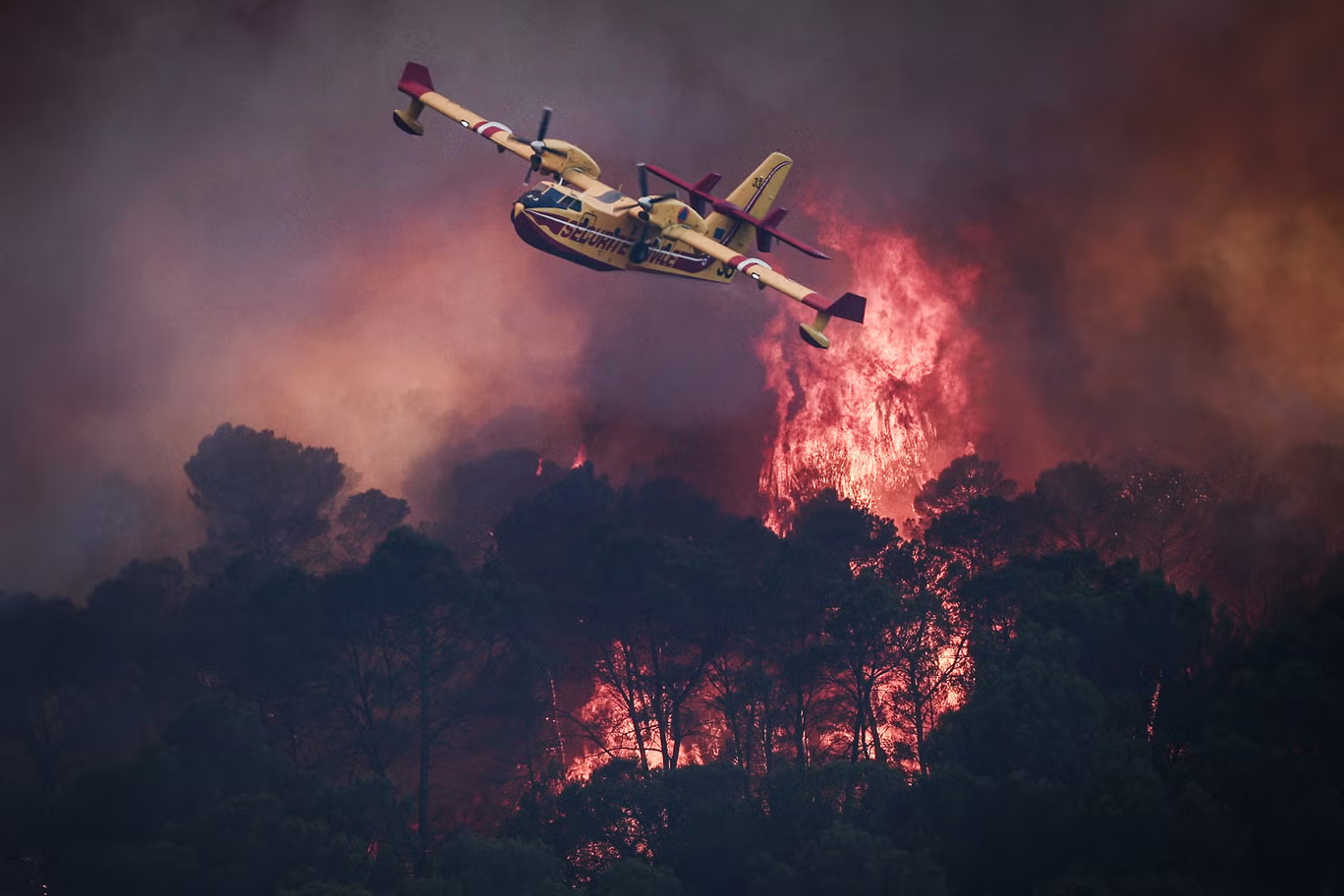
The wildfire emergency extends beyond France.
In neighbouring Spain, firefighters continued battling multiple large fires across central regions, including Guadalajara, Toledo and Albacete, as temperatures approached 44°C in some areas. Authorities temporarily suspended parts of the country’s rail network after flames reached vegetation close to railway infrastructure, disrupting one of Spain’s busiest transport corridors.
Spain has experienced one of its most destructive wildfire seasons in recent years, with more than 100,000 hectares reportedly burnt nationwide during 2026. Emergency services remain on high alert as forecasts indicate continuing hot, dry and windy conditions across much of the country.
Italy has also faced severe wildfire activity, particularly on the island of Sicily, where fires have damaged homes, farmland and public infrastructure. Local authorities ordered precautionary evacuations from several communities while hospitals, clinics and emergency facilities implemented contingency plans as smoke spread across affected districts.
The fires have disrupted electricity supplies, telecommunications and transport links in several areas. Local farmers have also reported extensive losses, with olive groves, crops and livestock affected by advancing flames.
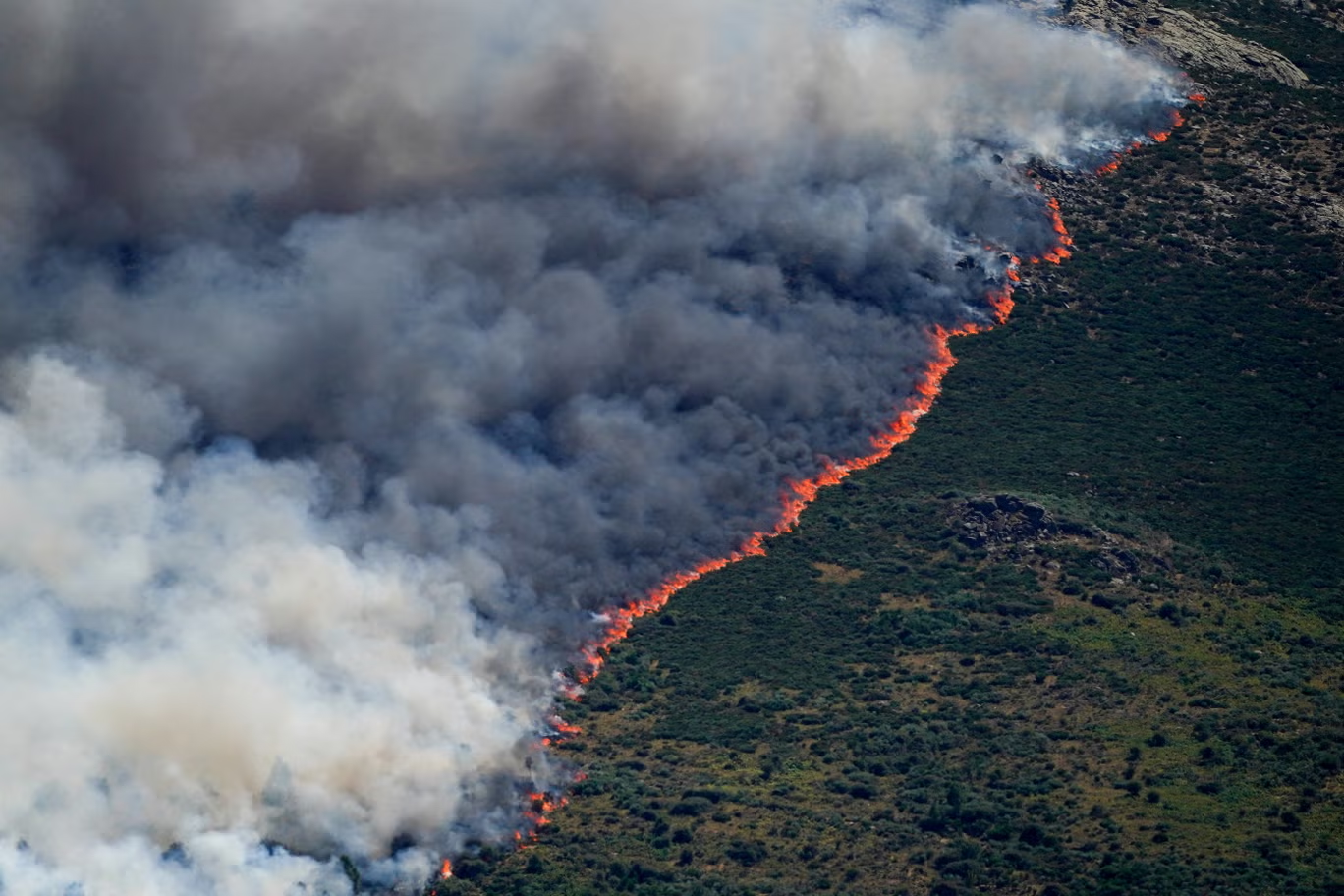
Scientists have repeatedly warned that prolonged heatwaves create ideal conditions for larger and faster-moving wildfires. Dry vegetation, low humidity and stronger winds increase the likelihood that fires will spread rapidly once ignited.
The current crisis follows months of unusually warm conditions across Europe. Earlier assessments by the Copernicus Climate Change Service identified Europe as the world’s fastest-warming continent, with increasingly frequent heatwaves contributing to longer and more destructive wildfire seasons.
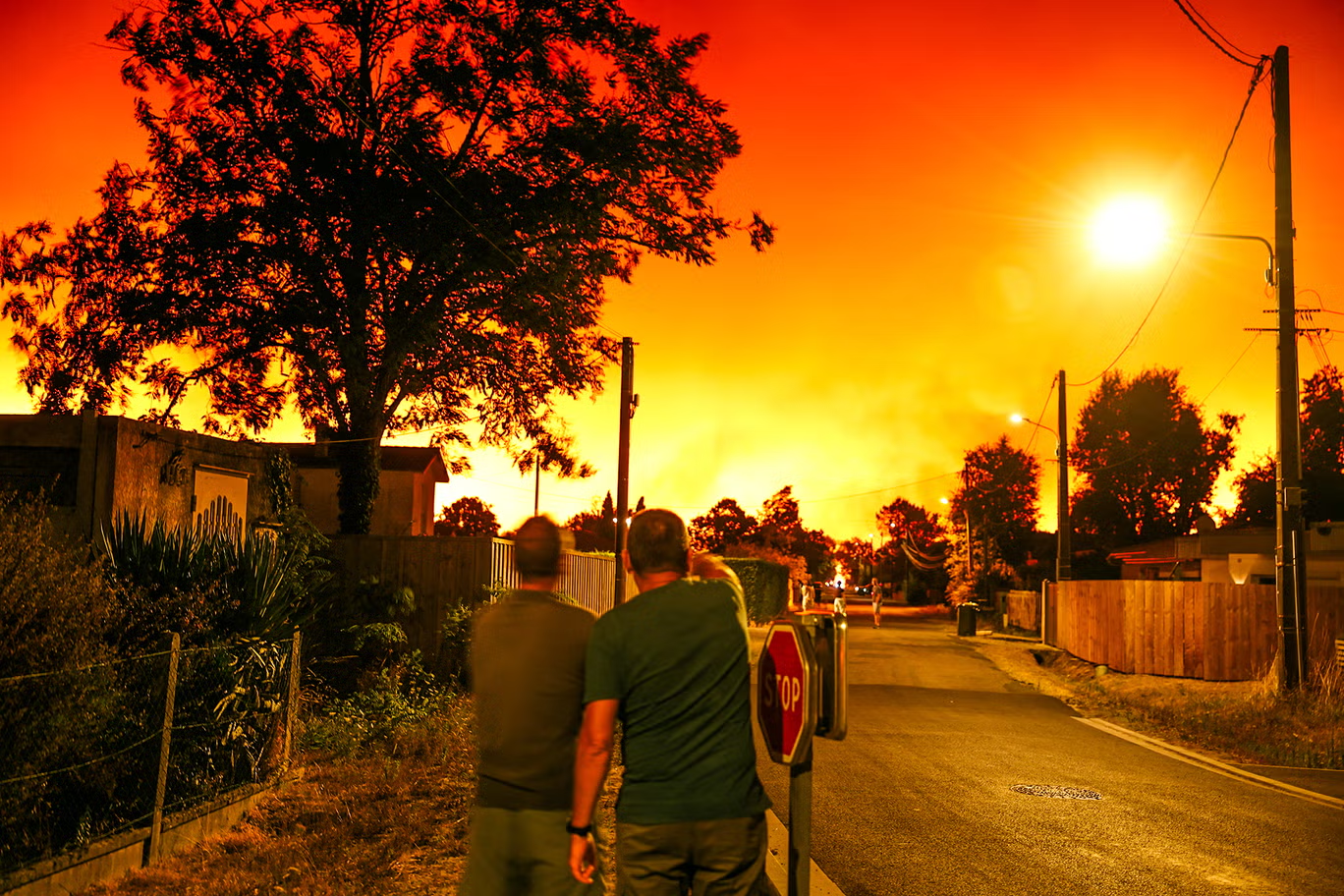
For many communities, the immediate priority remains safety.
Emergency crews continue working around the clock to protect homes and critical infrastructure while authorities monitor weather conditions that could rapidly change the direction and intensity of the fires.
Officials have urged residents in affected areas to follow evacuation orders immediately, avoid unnecessary travel and remain alert for further instructions as firefighting operations continue.
Although Europe experiences wildfires every summer, experts say increasingly prolonged periods of extreme heat are placing greater pressure on emergency services and raising the economic and environmental costs of each fire season.
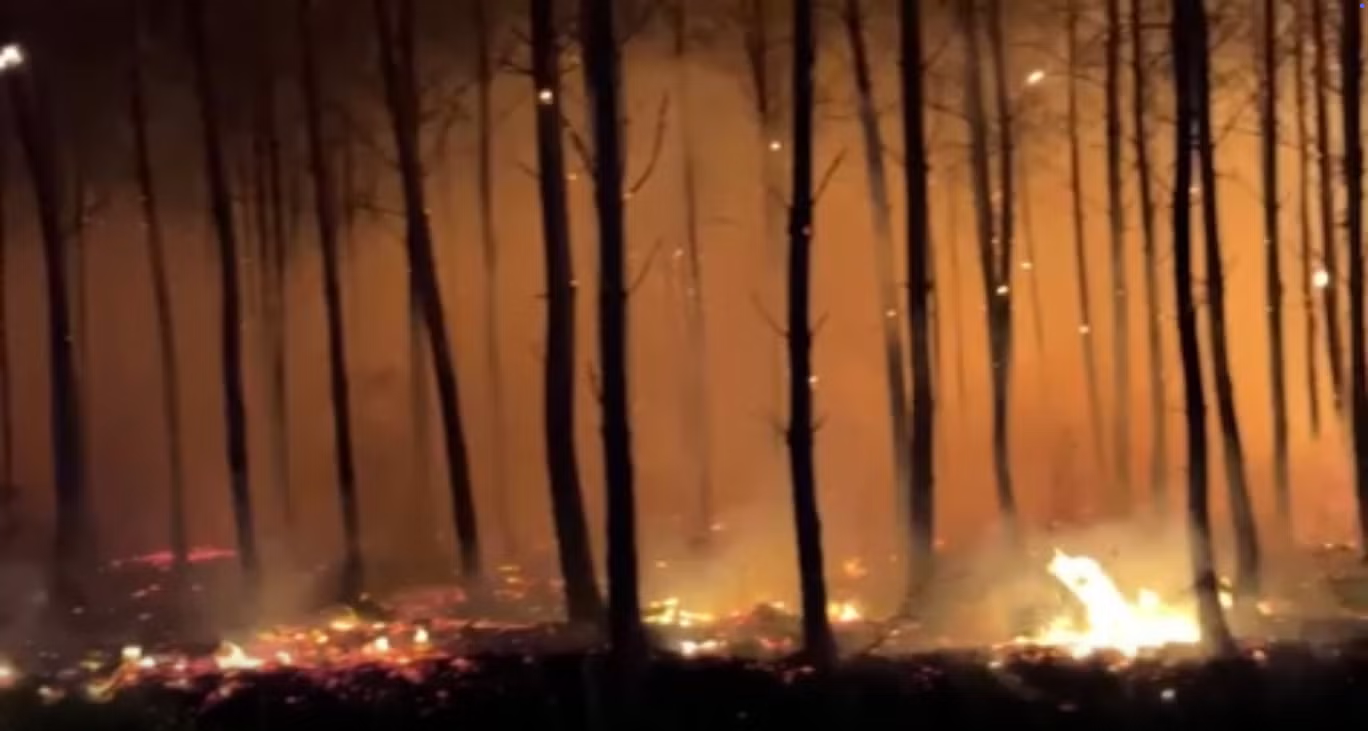
For African countries, including Ghana, the European wildfire crisis also illustrates the growing international consequences of climate change. Extreme weather events affecting major agricultural regions, transport corridors and tourism destinations increasingly have knock-on effects for global food prices, travel, insurance markets and international supply chains.
As temperatures continue to rise across southern Europe, authorities warn that the coming days remain critical for containing several of the largest active fires.
Why This Story Matters
This is not simply a regional emergency. The simultaneous heat and wildfire crises expose wider vulnerabilities affecting communities, infrastructure and economies across Europe.
Prolonged extreme temperatures can dry vegetation, intensify fire conditions and place sustained pressure on emergency services. The consequences can extend well beyond the immediate fire zones.
Changing climate
Longer and more intense heatwaves are increasing the conditions in which severe wildfires can develop.
Growing wildfire risk
Dry vegetation, high temperatures and strong winds can accelerate the spread of active fire fronts.
Emergency-service pressure
Firefighters, health services, police and civil-protection teams face simultaneous operational demands.
Tourism disruption
Evacuations, road closures and deteriorating air quality can affect resorts, accommodation providers and travellers.
Transport disruption
Fires and extreme heat can interrupt roads, rail services, airports and regional supply routes.
Agricultural losses
Crops, livestock, forests and rural livelihoods may suffer immediate damage and longer-term production losses.
Wider economic consequences
Recovery costs, business interruption, insurance losses and damaged infrastructure can continue affecting local economies after the fires are brought under control.
Five Key Takeaways
- 01 More than 20,000 people have been evacuated
Large-scale evacuations have been reported in southwest France as authorities seek to protect communities near expanding fire zones.
- 02 Several European countries are affected
Wildfires are simultaneously affecting parts of France, Spain and Italy, increasing pressure on national and regional emergency systems.
- 03 Temperatures have approached 44°C
Parts of southern Europe have experienced exceptionally high temperatures capable of worsening fire behaviour and public-health risks.
- 04 Infrastructure and agriculture are under strain
Transport networks, rural communities, farmland and local businesses have experienced disruption as emergency conditions continue.
- 05 Scientists warn the risk is intensifying
Prolonged heatwaves and increasingly dry conditions are expected to raise wildfire intensity across parts of Europe.
Related posts:
 Ghana Allocates GH¢442 Million for Flood Recovery and Coastal Protection
  Australia Approves Stronger Mouse Poison as Farmers Battle Growing Rodent Plague
  Twin Earthquakes Strike Venezuela, Collapsing Buildings in Caracas
  Spain Outclasses France to Reach FIFA World Cup 2026 Final with Dominant 2-0 Victory
  Nigeria investigates mysterious white foam found along busy Kaduna-Abuja highway