
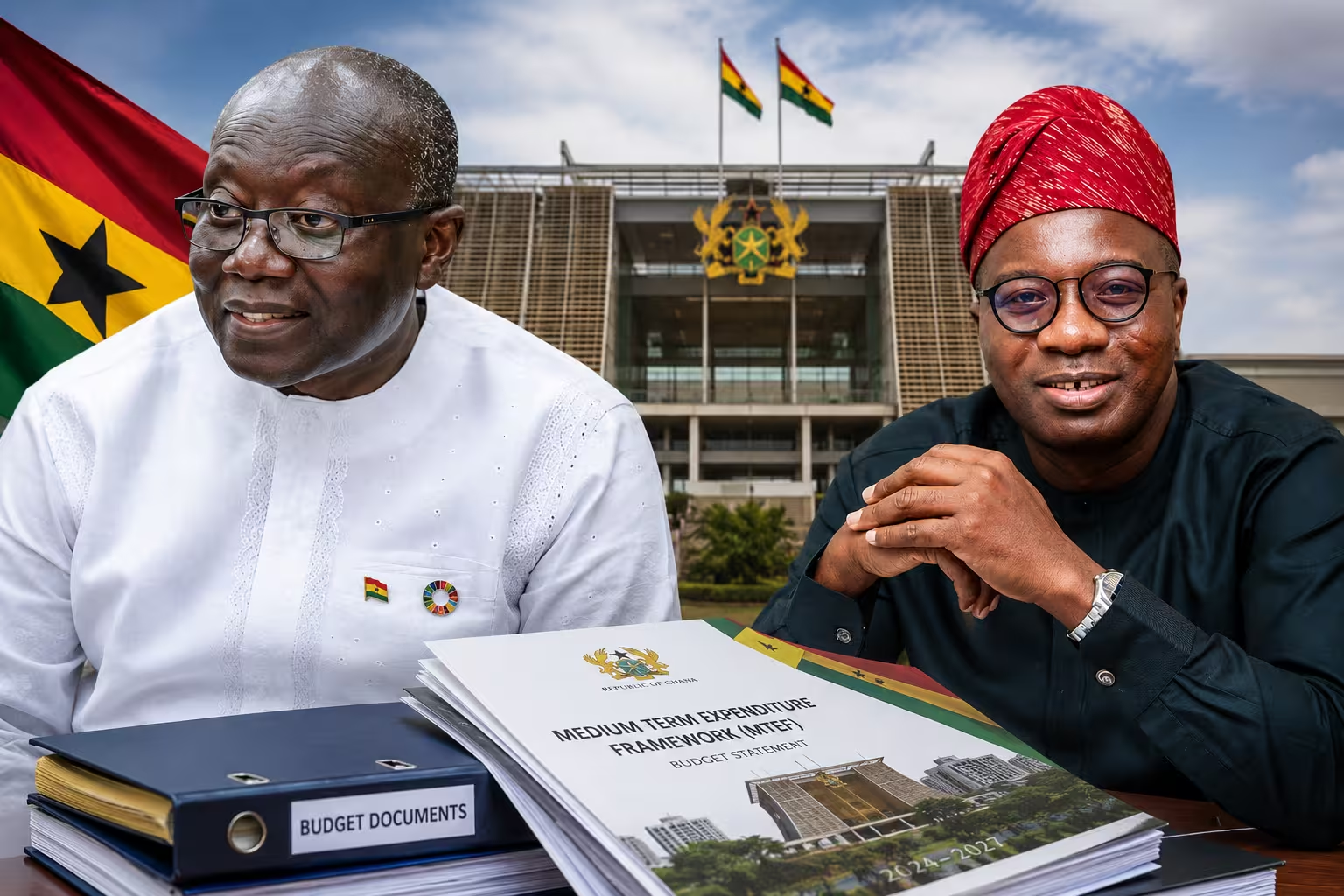
The majority leader urges Ken Ofori-Atta to return and account for Ghana’s debt


Follow Nukunya
Get the latest breaking news and updates from Nukunya.
ACCRA, Ghana — Majority Leader Mahama Ayariga has called on former Finance Minister Ken Ofori-Atta to return to Ghana to account for borrowing decisions taken during the previous administration, saying the country’s debt burden should be fully explained to the public.
Mr Ayariga made the remarks in Parliament on Thursday during debate on the government’s 2026 Mid-Year Budget Review, where lawmakers assessed the country’s economic performance and fiscal outlook.
The Majority Leader questioned the former minister’s absence from Ghana and argued that he should explain how the country’s finances were managed while he served as Finance Minister.
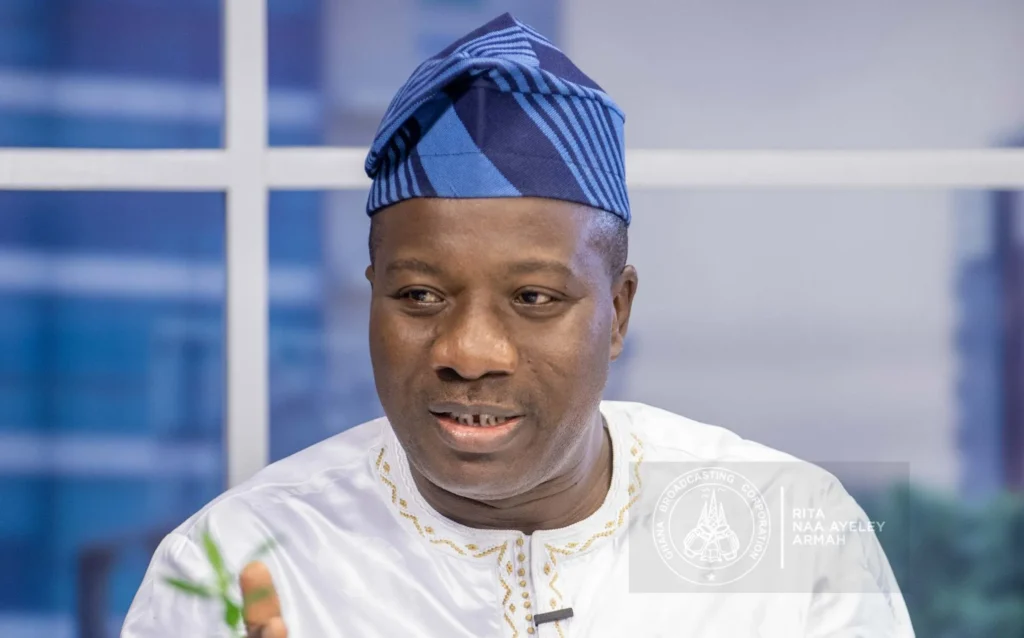
“Where is Ken Ofori-Atta?” Mr Ayariga asked during the debate, saying the former minister should return to account for borrowing undertaken during his tenure.
His comments formed part of a wider defence of the government’s economic management under current Finance Minister Dr Cassiel Ato Forson. Mr Ayariga argued that Ghana’s economy is now being managed with greater fiscal discipline, contrasting the current administration’s approach with that of the previous New Patriotic Party (NPP) government.
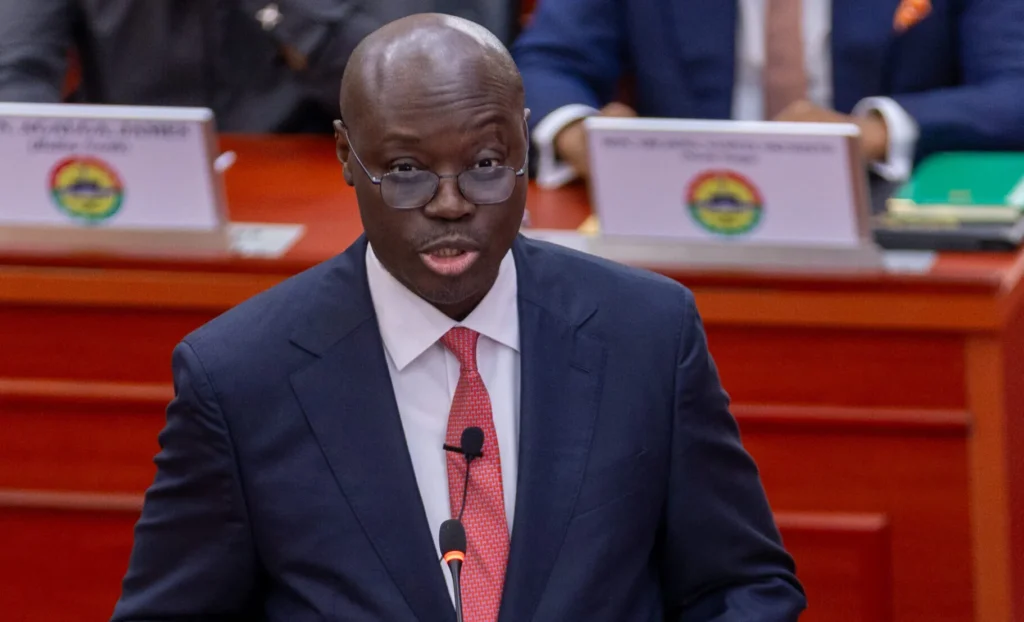
He cited the abolition of certain taxes, including the Electronic Transfer Levy (E-Levy), and said the government was pursuing economic recovery without what he described as excessive borrowing. He also praised the Finance Minister for prudent fiscal management and policies aimed at stabilising the economy while easing pressure on households.
The Majority Leader further argued that public spending priorities had shifted towards infrastructure, education and roads rather than projects pursued under the previous administration. His intervention came as Parliament continued debating the Mid-Year Budget Review, which outlines the government’s updated fiscal projections and economic priorities for the remainder of the year.
Political disagreement over economic management
The comments reflect continuing political disagreements over responsibility for Ghana’s economic challenges. The previous NPP administration has consistently defended its economic record, arguing that global shocks, including the COVID-19 pandemic and the economic effects of the Russia-Ukraine war, placed significant pressure on public finances.
Government officials at the time also maintained that borrowing decisions were taken to finance infrastructure projects, respond to external economic shocks and support economic recovery. Ken Ofori-Atta has not publicly responded to Mr Ayariga’s latest remarks.
Political and economic context
Why This Matters
The parliamentary exchange shows why Ghana’s debt position and fiscal management remain central to the country’s political debate.
Ghana continues implementing economic reforms following its debt restructuring programme and recovery measures supported by the International Monetary Fund.
Questions surrounding borrowing, public expenditure, debt sustainability and fiscal discipline are therefore likely to remain prominent as Parliament continues scrutinising government economic policy.
Five Things to Know
The exchange brought together questions about past borrowing, accountability and the government’s current fiscal direction.
-
01
Mahama Ayariga called for Ken Ofori-Atta’s return
The Majority Leader urged the former Finance Minister to return to Ghana and respond to questions concerning his period in office.
-
02
The comments came during the Mid-Year Budget Review
The remarks were made as Parliament debated the government’s 2026 Mid-Year Budget Review and assessed Ghana’s economic performance.
-
03
Past borrowing decisions remain under scrutiny
Mr Ayariga argued that the former Finance Minister should explain borrowing decisions taken during his tenure.
-
04
The current Finance Minister received praise
Mr Ayariga praised Finance Minister Dr Cassiel Ato Forson’s management of the public finances and the government’s fiscal direction.
-
05
The former administration disputes the criticism
Former government officials have defended their economic record, pointing to global shocks and external pressures that affected Ghana’s economy.
Related posts:
 Ghana’s Debt Climbs to GH₵674bn Despite IMF Recovery Gains
  Ghana exits IMF programme as government shifts focus to jobs and growth
  Ghana Parliament Passes Human Sexual Rights and Family Values Bill
  Dennis Miracles Aboagye Released After Meeting GH¢50 Million EOCO Bail Conditions
  Mahama urges Ken Ofori-Atta to return as Ghana pursues extradition process