Ghana exits IMF programme as government shifts focus to jobs and growth


Ghana has completed its Extended Credit Facility programme with the International Monetary Fund (IMF), ending a three-year economic recovery effort that was introduced after the country’s debt crisis and sharp rise in inflation.
Officials say the programme helped restore macroeconomic stability following years of fiscal pressures, currency depreciation and rising debt-servicing costs.
President John Mahama’s administration said Ghana would now transition to a non-financing policy coordination instrument arrangement with the IMF aimed at supporting fiscal discipline, structural reforms and investor confidence.
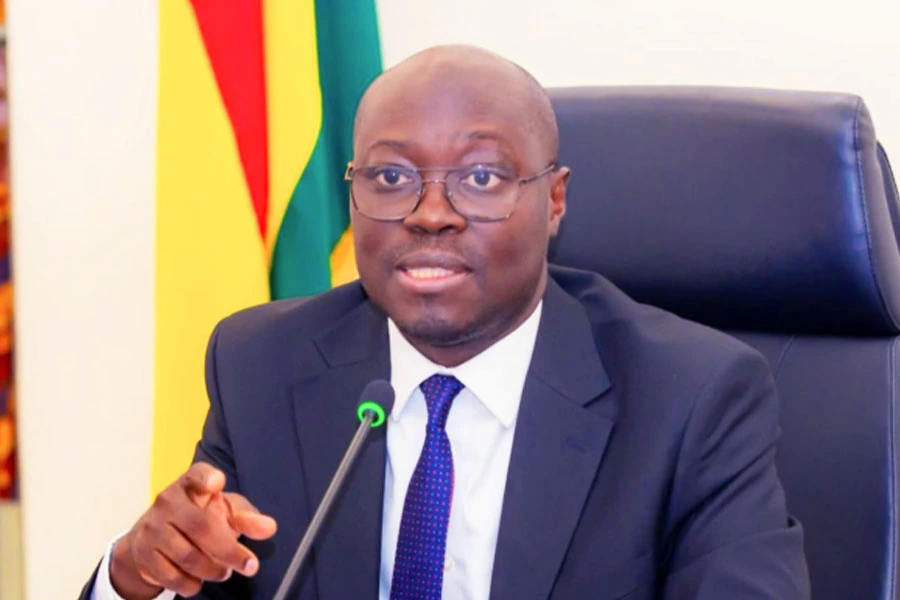
Finance Minister Cassiel Ato Forson said the government’s next priority would be economic expansion and employment creation.
“Stability is done. We’ve announced the same; even the fund has confirmed it. We’ve built some good resilience, and we are building it continuously. It’s now time for us to develop and create jobs,” he said during a media briefing.
The minister said the government would soon introduce a new economic initiative focused on accelerating development and expanding opportunities across key sectors.
Ghana entered the IMF programme in 2023 after soaring debt costs, high inflation and limited access to international capital markets pushed the economy into crisis. The Fund approved a $3 billion support package tied to fiscal consolidation measures, debt restructuring and economic reforms.
The IMF said the programme delivered “substantial stabilisation gains”, citing lower inflation, stronger foreign reserves and renewed confidence in the cedi. Economic growth in 2025 also exceeded expectations, supported partly by strong gold export earnings and an improved fiscal position.
IMF Managing Director Kristalina Georgieva praised Ghana’s Finance Minister and his team for what she described as a strong commitment to reforms aimed at restoring macroeconomic stability.
The Ministry of Finance reported that it completed several structural targets ahead of schedule, including reforms designed to strengthen spending controls and improve budget credibility.
While the new policy coordination instrument will not involve fresh IMF financing, officials say it is expected to support policy credibility and help attract long-term investment.
The government says the next phase of economic management will focus on translating recent stability gains into improved living conditions, amid continuing pressure over unemployment and the cost of living.
Ghana’s improving fiscal outlook has also contributed to recent sovereign ratings upgrades, raising expectations that the country could gradually regain stronger access to international financial markets.
Source(s): Reuters · Ministry of Finance, Ghana
Related posts:
 IMF PCI to Strengthen Bank of Ghana’s Balance Sheet
  Ghana’s Debt Climbs to GH₵674bn Despite IMF Recovery Gains
  Ghana’s Economy Shows Signs of Recovery — But Many Households Still Feel the Strain
  Ghana’s inflation slows for third consecutive month as food prices ease
  Ghana Nears First Non-Interest Banking Licence as BoG Warns on Fintech Trust