ECOWAS backs Ghana’s anti-xenophobia push as West African ministers endorse AU petition and reparatory justice framework
ECOWAS ministers have unanimously endorsed Ghana's petition to the African Union on xenophobia and backed the Accra Next Steps Commitments on Reparatory Justice during meetings in Sierra Leone.


Follow Nukunya
Get the latest breaking news and updates from Nukunya.
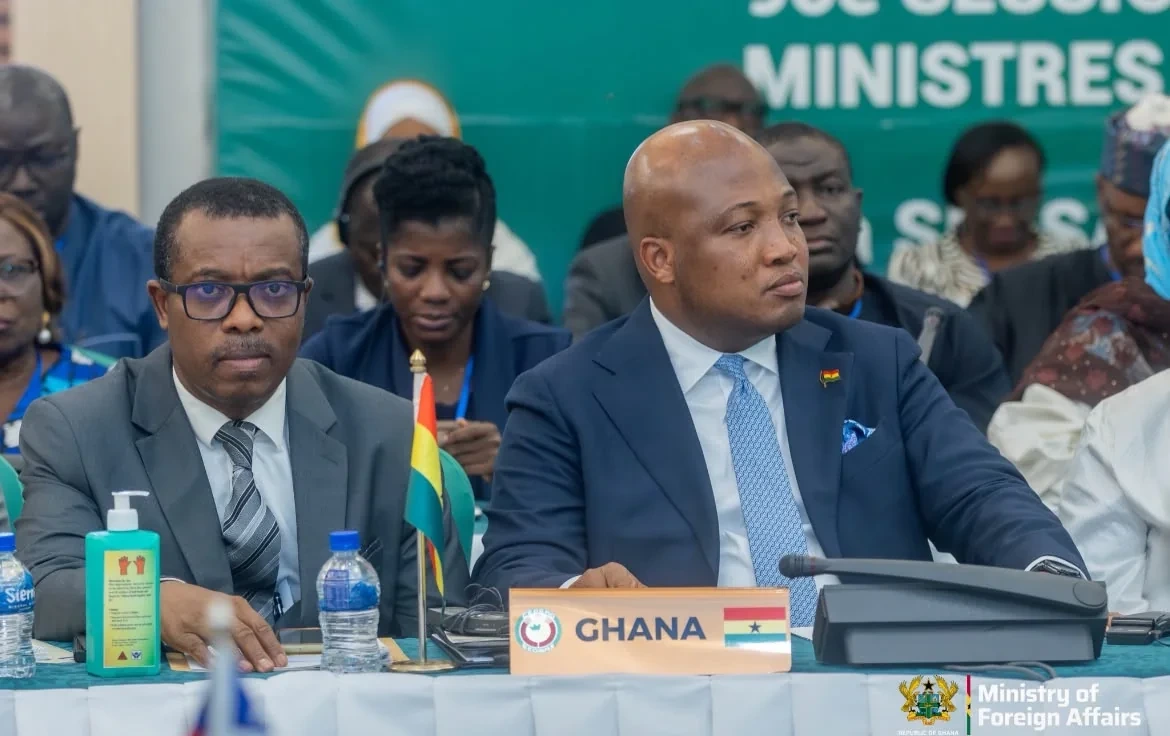
The regional foreign ministers meeting in Sierra Leone unanimously backed Ghana’s call for African Union action against xenophobia while also endorsing the Accra Next Steps Commitments on Reparatory Justice ahead of the ECOWAS Heads of State summit.
FREETOWN, Sierra Leone — The Economic Community of West African States (ECOWAS) Council of Ministers has unanimously endorsed Ghana’s petition to the African Union (AU) calling for stronger continental action against xenophobia, marking a significant diplomatic endorsement of Ghana’s campaign to improve protections for African citizens living and working across the continent.
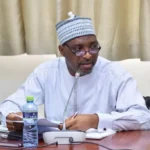
The endorsement was announced by Ghana’s Minister for Foreign Affairs, Samuel Okudzeto Ablakwa, following the conclusion of the 96th Ordinary Session of the ECOWAS Council of Ministers in Freetown, held ahead of the Authority of ECOWAS Heads of State and Government summit.
In a statement issued after the meeting, Mr Ablakwa said ECOWAS ministers had unanimously supported Ghana’s request for the African Union to prioritise coordinated action against xenophobia. The Council also endorsed the Accra Next Steps Commitments on Reparatory Justice, reinforcing Ghana’s growing role in shaping regional discussions on historical justice and continental solidarity.
The twin endorsements come as West African governments seek closer cooperation on regional security, migration, economic integration and democratic governance at a time when the bloc faces complex political and humanitarian challenges.
Regional backing for Ghana’s AU initiative
According to the Foreign Minister, the Council’s support represents a collective West African position urging the African Union to strengthen efforts against xenophobia directed at African nationals across the continent.
Although the endorsement does not create legally binding obligations for African Union member states, it provides significant political backing for Ghana’s proposal before it is considered at the continental level.
Ghana has consistently argued that attacks targeting African migrants undermine the objectives of continental integration, including the African Continental Free Trade Area (AfCFTA), whose secretariat is headquartered in Accra. Ensuring the safety and dignity of African citizens moving within the continent has become an increasingly important issue as governments pursue deeper economic integration and freer movement of people.
Recent years have seen periodic incidents of violence and hostility towards foreign African nationals in several parts of the continent, prompting repeated appeals from governments and regional organisations for stronger preventive measures and improved protection mechanisms.
Support for the reparatory justice agenda
The ECOWAS Council also endorsed the Accra Next Steps Commitments on Reparatory Justice, a framework adopted to advance Africa’s campaign for reparations relating to the transatlantic slave trade, slavery and colonialism.
The commitments seek to strengthen cooperation among African governments, regional organisations, researchers and diaspora communities in pursuing historical justice through diplomatic engagement, policy coordination and international advocacy.
The endorsement aligns with the African Union’s designation of 2026 as a year of renewed focus on reparatory justice and reflects increasing efforts by African governments to coordinate their positions ahead of wider continental discussions.
Why the decision matters
The unanimous backing gives Ghana additional diplomatic momentum before discussions move to the African Union. While ECOWAS resolutions do not automatically become AU policy, unanimous support from West Africa’s regional bloc strengthens Ghana’s negotiating position by demonstrating that the proposal enjoys collective backing from one of Africa’s largest regional organisations.
The decision also illustrates how ECOWAS is seeking to project greater unity on issues extending beyond traditional security and economic integration, including migration governance, human rights and historical justice.
Bilateral diplomacy on the margins
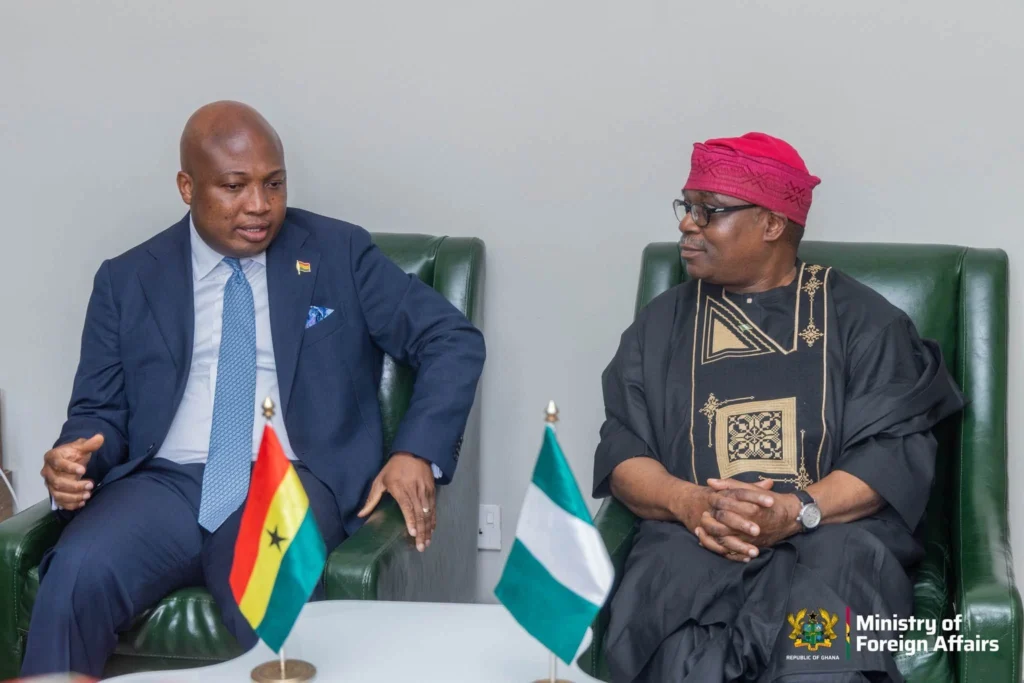
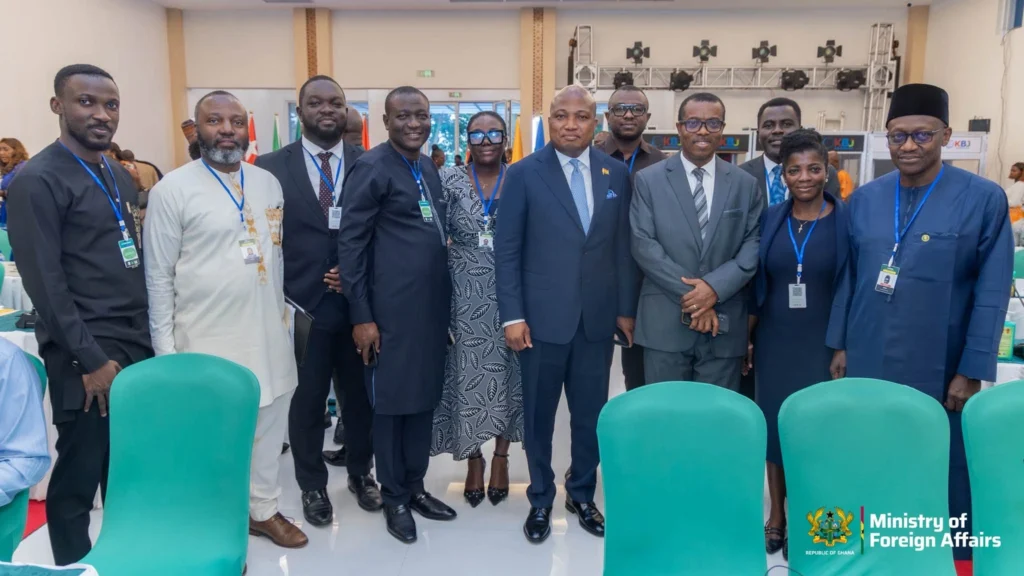
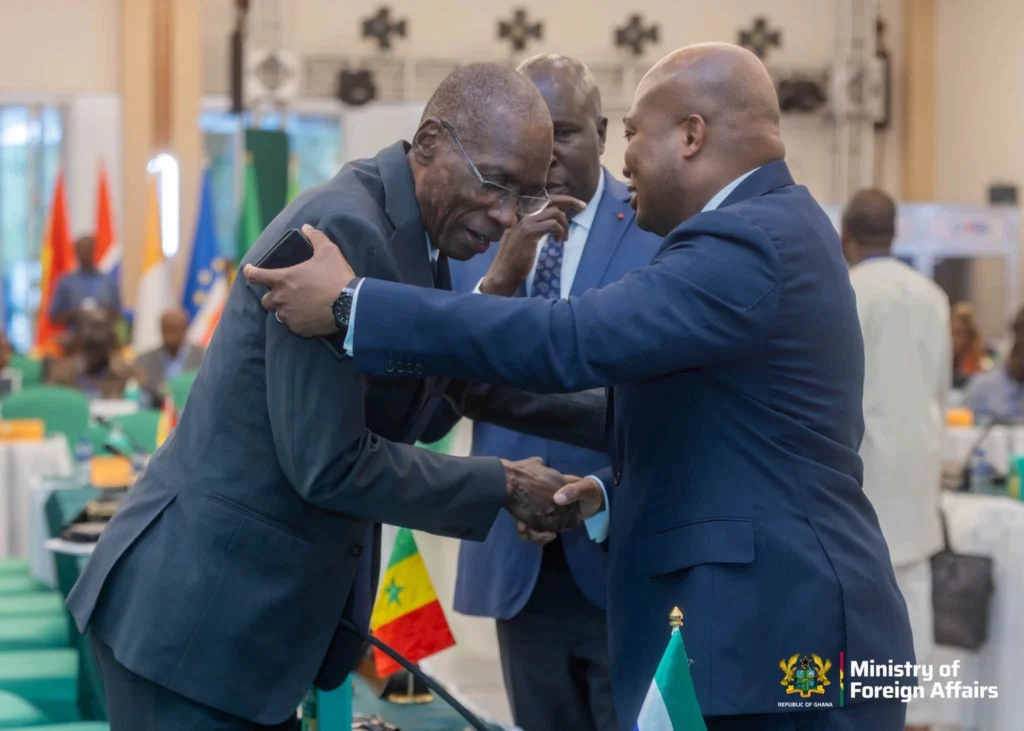
Alongside the ministerial session, Mr Ablakwa held a series of bilateral meetings with counterparts and senior regional officials.
Official photographs released by Ghana’s Ministry of Foreign Affairs showed discussions with ministers and delegates from across West Africa, reflecting Ghana’s continued diplomatic engagement on regional cooperation, peace, security and economic integration. The minister also met representatives of partner institutions ahead of the ECOWAS Heads of State summit, where regional leaders are expected to consider a broad range of issues affecting West Africa, including political transitions, security cooperation, economic resilience and institutional reform.
Looking ahead
The Council of Ministers’ recommendations will now feed into deliberations by the Authority of ECOWAS Heads of State and Government. If regional leaders endorse the ministers’ recommendations, Ghana’s petition will carry stronger political weight when presented within African Union processes.
In his statement following the meeting, Mr Ablakwa said Ghana remained committed to advancing a vision of continental unity based on dignity, solidarity and cooperation.
“We shall keep working tirelessly towards the attainment of Osagyefo Dr Kwame Nkrumah’s dream of a united, tolerant and prosperous Africa,” he said.
Policy explainer
What Are the Accra Next Steps Commitments?
The Accra Next Steps Commitments are a policy framework designed to advance Africa’s campaign for reparatory justice relating to slavery, the transatlantic slave trade and colonialism.
The commitments encourage coordinated diplomatic engagement, historical research, legal cooperation and advocacy among African governments and diaspora communities.
Their wider purpose is to move the reparations debate beyond symbolic declarations towards sustained continental coordination, evidence gathering and international engagement.
How the Commitments Could Work
Build a Shared African Position
Governments can coordinate language, priorities and negotiating positions before engaging international partners.
Strengthen the Evidence Base
Historical, economic and legal research can support more credible and specific reparatory claims.
Coordinate Legal Expertise
African states may benefit from shared legal analysis, case studies and institutional support.
Engage the Global Diaspora
Diaspora organisations can contribute advocacy, research, political influence and international networks.
Continental integration
Why Ghana’s Anti-Xenophobia Petition Matters
Ghana’s proposal seeks stronger African Union coordination to prevent attacks and discrimination against African migrants living elsewhere on the continent.
Supporters argue that addressing xenophobia is essential to achieving the African Union’s goals of continental integration, free movement and economic cooperation.
Xenophobic violence can undermine regional labour mobility, discourage investment, damage diplomatic relations and weaken public confidence in pan-African integration.
The issue is therefore not only humanitarian. It is closely connected to the credibility of initiatives such as the African Continental Free Trade Area.
Why Xenophobia Threatens African Integration
01 Hostility towards migrants Fear, discrimination and violence
→ 02 Reduced mobility Workers and traders become less willing to move
→ 03 Weaker regional trade Business confidence and cross-border activity decline
→ 04 Slower integration AfCFTA objectives become harder to realise
Ghana’s diplomatic role
What the Decision Means for Ghana
ECOWAS support strengthens Ghana’s ability to present both proposals as regional priorities rather than unilateral national initiatives.
The endorsement may also increase Ghana’s influence in future African Union discussions on reparatory justice, migration, free movement and continental solidarity.
Ghana’s position draws on its long-standing association with pan-Africanism and its continuing effort to deepen political and cultural links with the African diaspora.
What Happens Next?
Strategic significance
Why This Matters
The two initiatives connect historical justice with Africa’s present-day integration agenda.
Reparatory justice concerns how the continent addresses the continuing consequences of slavery and colonialism. The anti-xenophobia proposal concerns whether African citizens can move and live safely across the continent today.
Together, they present a wider argument: African unity must be reflected both in international diplomacy and in the treatment of Africans within Africa.
Key Takeaways
- 01
ECOWAS ministers unanimously backed Ghana’s anti-xenophobia petition to the African Union.
- 02
Ministers also endorsed the Accra Next Steps Commitments on Reparatory Justice.
- 03
The decision strengthens Ghana’s diplomatic position ahead of wider African Union discussions.
- 04
Regional leaders are expected to consider the recommendations during the ECOWAS Heads of State summit.
- 05
Ghana says it will continue promoting continental unity, tolerance and regional cooperation.
- 06
The proposals connect reparatory justice, migration protection and Africa’s wider integration agenda.
Editorial transparency
Reporting Note
Regional endorsement does not by itself create binding African Union policy. Implementation will depend on subsequent decisions by heads of state, continental institutions and participating governments.
Reporting should distinguish between ministerial endorsement, formal adoption and practical implementation.
Related posts:
 Ghana demands justice after citizen killed during South Africa anti-immigration protests
  Ghana Evacuates 345 More Citizens from South Africa as Other African States Study Rescue Plan
  Mahama Calls for Renewed Pan-African Unity and Reparations Agenda During UK Visit
  Ghana moves nearly 900 citizens to safe havens ahead of South Africa protests
  Ghana Surpasses 1,000 E-Visa Applications from 78 Countries in First Month of Digital Visa Rollout