
Africa Shield Explained: Why Security Is Becoming Essential to Africa’s Economic Growth
Africa's economic growth is creating new security challenges. Here's why Africa Shield matters for Ghana, trade, healthcare and regional development.

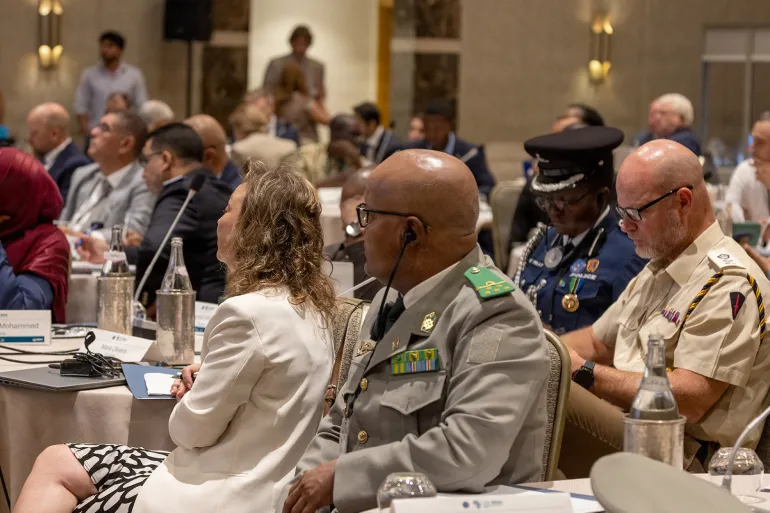

As African economies industrialise and cross-border trade expands, governments are strengthening protections around hazardous materials that support healthcare, mining and research. The Africa Shield initiative reflects a broader shift from responding to security threats to preventing them before they emerge.
TUNIS, Tunisia — Africa’s economic growth is bringing new factories, hospitals, laboratories and trade routes. It is also creating a less visible challenge: protecting the hazardous materials that modern economies depend on. That is the problem Africa Shield is designed to solve.
This changing landscape is driving a new approach to security. Rather than concentrating solely on terrorism, armed conflict or organised crime, policymakers are increasingly focused on protecting the chemical, biological, radiological and nuclear (CBRN) materials that underpin modern economies.
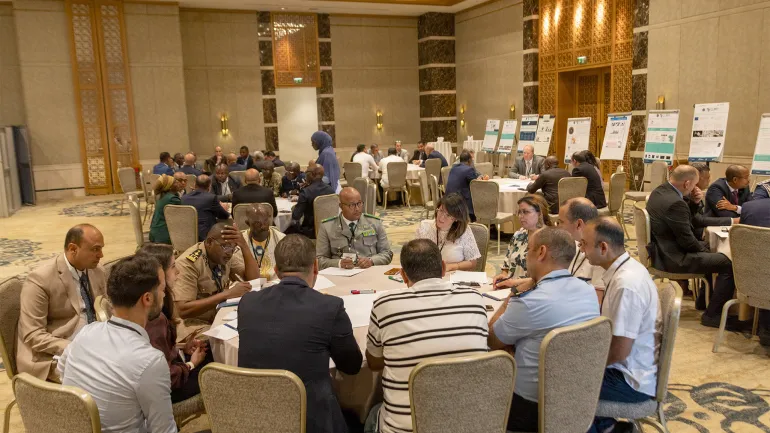
That shift formed the centrepiece of Africa Shield 2026, a regional workshop held in Tunis from 14 to 16 July that brought together officials from across Africa alongside international partners to strengthen cooperation on preventing the diversion or misuse of sensitive materials. The programme supports implementation of United Nations Security Council Resolution 1540, which requires states to prevent non-state actors from acquiring weapons of mass destruction and related materials.
For countries pursuing industrialisation, the challenge is no longer simply protecting borders. It is ensuring that the infrastructure supporting economic growth remains secure, resilient and trusted.
What is Africa Shield?
Africa Shield is an international capacity-building initiative that helps African governments improve their ability to prevent, detect and respond to risks involving controlled chemical, biological, radiological and nuclear materials.
The programme is led by the United States Defense Threat Reduction Agency’s International Counterproliferation Program in partnership with the European Union CBRN Centres of Excellence Risk Mitigation Initiative and the United Nations Interregional Crime and Justice Research Institute (UNICRI). Now in its sixth edition, Africa Shield promotes practical cooperation through training, information sharing, coordinated border management and stronger regulatory systems rather than crisis response alone.
Why does this matter?
For many Africans, the phrase “CBRN security” may sound distant from everyday life. In reality, the materials involved are essential to sectors that millions rely upon.
They include:
- radioactive materials used in cancer diagnosis and treatment;
- industrial chemicals supporting mining and manufacturing;
- biological materials handled in research laboratories;
- technologies with both civilian and security applications.
These materials are used safely every day across hospitals, universities, factories and research institutions. The risk arises when weak regulation, theft or poor oversight allows them to be diverted for criminal or malicious purposes.
As political and security analyst Mubarak Aliyu observed during the discussions, the challenge is not restricting development but ensuring innovation is matched by effective oversight and secure handling practices.
Why Africa’s growth is changing security priorities
For decades, security policy across much of Africa centred on insurgency, terrorism and armed conflict. Today’s priorities are evolving. Rapid industrialisation means governments must now safeguard increasingly sophisticated supply chains, ports, laboratories, pharmaceutical facilities and transport corridors that support economic growth.
The expansion of the African Continental Free Trade Area (AfCFTA) is expected to accelerate the movement of goods across borders, increasing opportunities for trade while also placing greater demands on customs systems, export controls and regulatory enforcement. Experts argue that economic development and security can no longer be treated as separate policy areas. Instead, secure institutions have become a prerequisite for attracting investment, protecting innovation and maintaining public confidence.
What does it mean for Ghana?
Although Ghana was not the focus of the workshop, many of the issues discussed are directly relevant to the country’s development agenda.
Ghana continues to expand sectors that depend on secure handling of controlled materials, including:
- gold and mineral extraction;
- pharmaceutical manufacturing;
- petroleum and energy infrastructure;
- medical research and diagnostic services;
- university laboratories;
- international trade through Tema Port, Takoradi Port and Kotoka International Airport.
Institutions such as the Ghana Atomic Energy Commission, Nuclear Regulatory Authority, Customs Division of the Ghana Revenue Authority and national security agencies already play important regulatory roles. As trade volumes increase, experts say continued investment in technical expertise, inspection systems and cross-border cooperation will become increasingly important.
The biggest challenge: implementation
While many African countries have adopted legal frameworks governing hazardous materials and strategic trade, implementation remains uneven.
Authorities often face shortages of:
- specialist personnel;
- modern inspection equipment;
- laboratory capacity;
- digital customs systems;
- funding for enforcement.
Existing smuggling routes used for narcotics, weapons and other illicit goods could also be exploited to move controlled materials if regulatory gaps remain unaddressed. Phil Efe Benard, Country Director of the African Chamber of Content Producers (Nigeria), argued that sustainable progress depends on strengthening African institutions rather than creating long-term dependence on external partners.
Why Tunisia hosted the workshop
Tunisia’s location between North Africa, the Mediterranean and the Sahel makes it a strategic venue for discussions on border security and regional cooperation. Officials participating in Africa Shield emphasised that the programme is designed to encourage countries to share expertise, coordinate responses and build national ownership of security systems rather than relying solely on international assistance. That reflects a broader trend in international security cooperation, where building resilient national institutions is increasingly viewed as the most sustainable defence against emerging threats.
Five Questions Readers Are Asking
Africa Shield focuses on preventing the unsafe handling, diversion or misuse of sensitive materials as African economies, industries and trade networks continue to expand.
What does CBRN stand for?
CBRN refers to Chemical, Biological, Radiological and Nuclear materials and associated risks.
Does this mean Africa is becoming less safe?
No. The initiative reflects Africa’s economic and industrial development rather than evidence that hazardous materials are being misused more frequently.
As countries expand healthcare, scientific research, energy, manufacturing and cross-border trade, larger quantities of regulated materials may need to be transported, stored and monitored safely.
Why are governments discussing this now?
Industrialisation, expanding healthcare systems, scientific research and growing regional trade mean that larger quantities of controlled materials are being handled across the continent.
Governments therefore need stronger regulation, emergency planning, border coordination and institutional capability before incidents occur.
Why should businesses care?
Secure supply chains help protect investment, facilitate legitimate trade and strengthen confidence among insurers, lenders, investors and international commercial partners.
Weak controls can create operational disruption, regulatory exposure, reputational damage and higher compliance costs.
Why is this relevant to Ghana?
As Ghana continues to industrialise and deepen regional trade links, effective regulation and secure management of sensitive materials will become increasingly important for public safety and economic resilience.
The issue is particularly relevant to healthcare, mining, research, manufacturing, energy, ports, customs and cross-border logistics.
What CBRN Security Actually Covers
CBRN security concerns the safe regulation, storage, transportation and use of materials that may present serious health, environmental or national-security risks if lost, stolen, diverted or handled improperly.
Many of these materials have legitimate and valuable uses. Hospitals, laboratories, farms, universities, mining companies and manufacturers may all depend on controlled substances or specialist equipment.
The central policy challenge is therefore not to prevent legitimate use, but to ensure that economic activity develops alongside proportionate safeguards.
- C
- Chemical Industrial chemicals, toxic substances and controlled precursors
- B
- Biological Pathogens, biological agents and laboratory materials
- R
- Radiological Radioactive sources used in medicine, industry and research
- N
- Nuclear Nuclear materials, facilities and associated security controls
From Reactive Security to Prevention
The central objective is to identify weaknesses before they develop into public-safety, environmental, commercial or national-security crises.
Map the Risks
Identify where sensitive materials are manufactured, imported, transported, stored and used.
Strengthen Regulation
Establish clear licensing, inspection, reporting and enforcement responsibilities.
Secure Supply Chains
Protect materials throughout procurement, transport, storage and final use.
Prepare for Emergencies
Train responders and develop coordinated plans for containment, treatment and public communication.
Economic Growth Brings New Responsibilities
Industrial expansion creates opportunities, but it also increases the number of institutions responsible for handling regulated materials and managing complex supply chains.
Investors need confidence that governments can regulate advanced industries, enforce safety standards and respond effectively when incidents occur.
Strong CBRN governance can therefore support rather than obstruct development by reducing uncertainty and demonstrating institutional maturity.
Why the Private Sector Should Pay Attention
Businesses may encounter CBRN-related risks even when they do not operate in defence or high-security industries.
Pharmaceutical companies, hospitals, laboratories, mining firms, transport operators, ports, agricultural businesses and manufacturers may all handle controlled materials or participate in sensitive supply chains.
Effective controls can reduce disruption while making it easier for legitimate goods, equipment and specialist materials to move safely across borders.
- Regulatory compliance Licensing, reporting and inspection requirements
- Supply-chain assurance Secure transport, storage and custody arrangements
- Business continuity Preparedness for incidents, closures and disruption
- Investor confidence Demonstrable safety and governance standards
Why This Is Increasingly Relevant to Ghana
Ghana’s industrial ambitions, mining sector, healthcare expansion, scientific institutions, major ports and growing trade links make secure management of sensitive materials increasingly important.
The issue also connects directly to regional integration. As AfCFTA implementation increases the movement of goods across African borders, national regulators will need compatible standards, trusted documentation and stronger information-sharing systems.
Ghana’s policy challenge is therefore to support faster legitimate trade without weakening controls around materials that require specialist handling.
Why This Matters
Africa’s next phase of development will depend not only on attracting investment but also on demonstrating that governments can safely regulate increasingly sophisticated industries.
Protecting hazardous materials is therefore not simply a security objective. It is becoming a foundation for sustainable economic growth, public confidence and regional integration.
For policymakers, the message emerging from Africa Shield is clear: development and security are no longer competing priorities. They must advance together.
Key Takeaways
- 01
Africa Shield marks a shift from reactive responses towards preventive security.
- 02
Economic and industrial growth brings new regulatory responsibilities alongside new opportunities.
- 03
Strong institutions are increasingly important to attracting and protecting investment.
- 04
Secure, predictable trade systems can support effective AfCFTA implementation.
- 05
Ghana’s expanding industrial economy makes secure management of sensitive materials increasingly relevant.
- 06
Effective security should enable legitimate development rather than create unnecessary obstacles to trade and innovation.
Reporting Note
Discussions of CBRN security should avoid implying that legitimate scientific, medical or industrial materials are inherently linked to criminal or hostile activity.
Reporting should distinguish clearly between normal regulated use, accidental safety risks, illicit diversion and deliberate misuse.
Related posts:
 Ghana Challenges South Africa Over Xenophobic Attacks, Rejects Crime Allegations Against Ghanaians
  ECOWAS backs Ghana’s anti-xenophobia push as West African ministers endorse AU petition and reparatory justice framework
  Africa’s drought crisis intensifies as food insecurity rises
  Ghana Repatriates Nearly 300 Citizens From South Africa Amid Migrant Tensions
  Mahama Calls for Renewed Pan-African Unity and Reparations Agenda During UK Visit