
COP31 Climate Summit Ends Without Global Deal as Nations Clash Over Fossil Fuels and Climate Finance

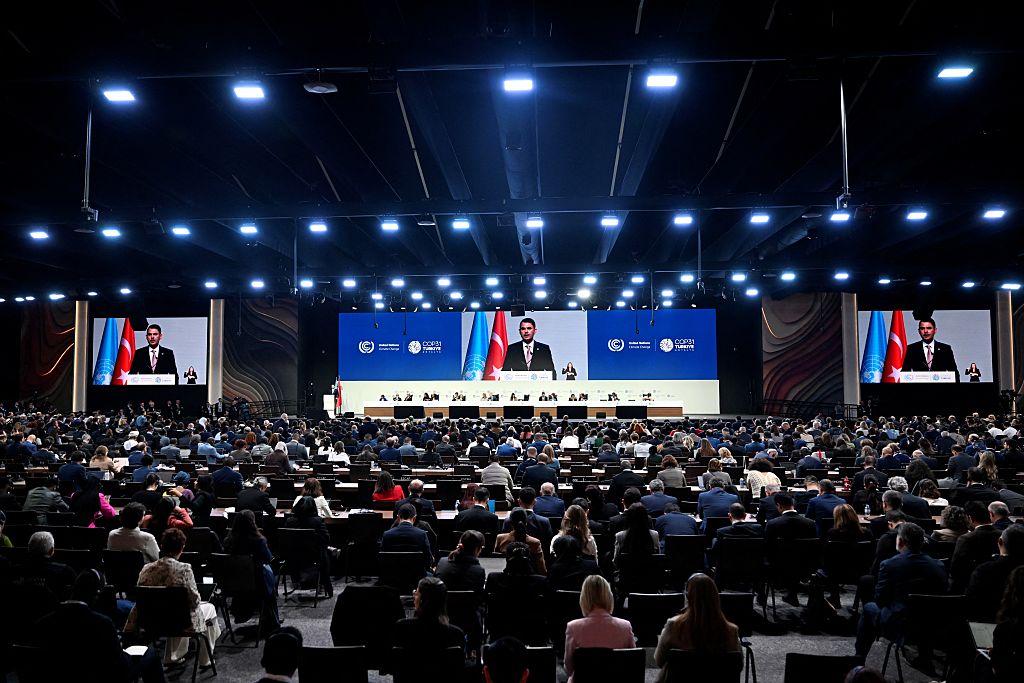

International efforts to strengthen the global response to climate change have suffered a significant setback after the COP31 United Nations climate summit ended without an overarching agreement.
The conference, held in Antalya, Türkiye, concluded on Sunday, 22 November 2026, following nearly two weeks of negotiations involving representatives from almost 200 countries.
Disagreements over the future of fossil fuels, climate finance and the transition towards cleaner energy prevented governments from reaching consensus on the proposed final political agreement.
The breakdown represents the first failure to secure an overarching political agreement at a major UN climate summit since the Copenhagen negotiations in 2009.
The negotiations also became the longest UN climate conference on record, extending two days beyond their scheduled conclusion as delegates attempted to resolve the outstanding differences.
Fossil Fuels Become the Biggest Obstacle
The central disagreement concerned whether the final agreement should explicitly address the transition away from fossil fuels, including coal, oil and natural gas.
The European Union, the United Kingdom and several climate-vulnerable nations rejected the proposed Antalya Pact, arguing that it failed to reflect the urgency of the climate crisis.
The final draft did not include an explicit commitment to transition away from fossil fuels, despite growing international pressure for countries to accelerate the move towards renewable energy.
Oil-producing nations and other countries dependent on fossil fuel industries resisted stronger language, exposing the economic and political divisions shaping international climate negotiations.
The disagreement ultimately prevented the conference presidency from securing the consensus required to adopt the proposed agreement.
COP31 President Murat Kurum acknowledged the impasse during the closing session, confirming that the proposed decisions had not been adopted because there was no agreement among participating countries.
UN Secretary-General Expresses Deep Disappointment
United Nations Secretary-General António Guterres expressed disappointment at the outcome, warning that the failure to reach consensus should not weaken international efforts to address global warming.
He emphasised that the scientific evidence surrounding climate change remains clear, despite the political disagreements witnessed at the summit.
The UN chief also called for faster action to reduce greenhouse gas emissions and accelerate the transition towards cleaner energy systems.
His intervention highlighted growing concerns that political disagreements and competing economic interests are delaying the international response to rising temperatures and increasingly severe climate impacts.
Developing Countries Face Uncertainty Over Climate Finance
Climate finance was another major source of disagreement during the negotiations.
Developing countries have repeatedly called on wealthier nations to provide greater financial assistance to help them respond to rising temperatures, extreme weather events and environmental damage.
Many vulnerable economies face significant challenges in financing flood protection, drought resilience, sustainable agriculture and the transition towards cleaner energy.
The proposed agreement included discussions around increasing adaptation finance, but disagreements remained over the scale, implementation and financial commitments required.
For African countries, the outcome carries particular significance.
Many African economies contribute relatively little to historical global greenhouse gas emissions but face substantial exposure to climate-related risks, including prolonged droughts, flooding, changing rainfall patterns and threats to agricultural production.
The lack of a comprehensive agreement leaves important questions about future international climate funding unresolved.
What Does the COP31 Failure Mean for the Paris Agreement?
Despite the collapse of the overarching agreement, the Paris Climate Agreement remains in force.
The failure to adopt the proposed Antalya Pact does not cancel existing international climate commitments or remove individual countries’ responsibilities to pursue emissions reductions.
There was also progress on some separate initiatives during COP31. More than 90 countries supported an electrification pledge aimed at increasing electricity’s share of global energy use.
However, the absence of a comprehensive political agreement has renewed questions about whether the current international negotiating process can deliver climate action at the speed required.
Climate experts and campaigners are likely to maintain pressure on governments to strengthen commitments through national policies, renewable energy investment and international cooperation.
Attention Turns to COP32 in Ethiopia
With negotiations concluded in Türkiye, attention will now shift towards COP32, scheduled to take place in Addis Ababa, Ethiopia, in 2027.
The next summit will provide another opportunity for governments to address unresolved disagreements surrounding fossil fuels, climate finance and the transition to sustainable energy.
For Ethiopia and the wider African continent, hosting the next conference will also provide an important platform to highlight the challenges facing developing economies.
The outcome of COP31 serves as a reminder that international cooperation remains essential in addressing a crisis that crosses national borders.
While individual countries continue to pursue renewable energy and environmental protection initiatives, the absence of a unified agreement raises concerns about whether global action can keep pace with the accelerating impacts of climate change.
The challenge facing world leaders is now clear: translate international promises into meaningful action before the environmental and economic consequences become even more difficult to manage.
Related posts:
 COP31 Climate Summit: World Leaders Face Pressure to Deliver Action on Global Warming
 Australia Approves Stronger Mouse Poison as Farmers Battle Growing Rodent Plague
 The UN warns the world is heading for 2.8°C warming as emissions cuts fall short
 COP31 Opens: Turning Climate Pledges into Results
 COP31 Climate Funding for Africa: Europe Rebuffs New Demands