
Ghana Petroleum Workers Threaten Nationwide Strike Over Proposed NPA Bill
Ghana's petroleum workers have threatened nationwide industrial action if Parliament passes the proposed National Petroleum Authority Bill 2026 without addressing concerns over the future of BOST Energies. The union warns that proposed changes could threaten jobs, public investment and national fuel security.

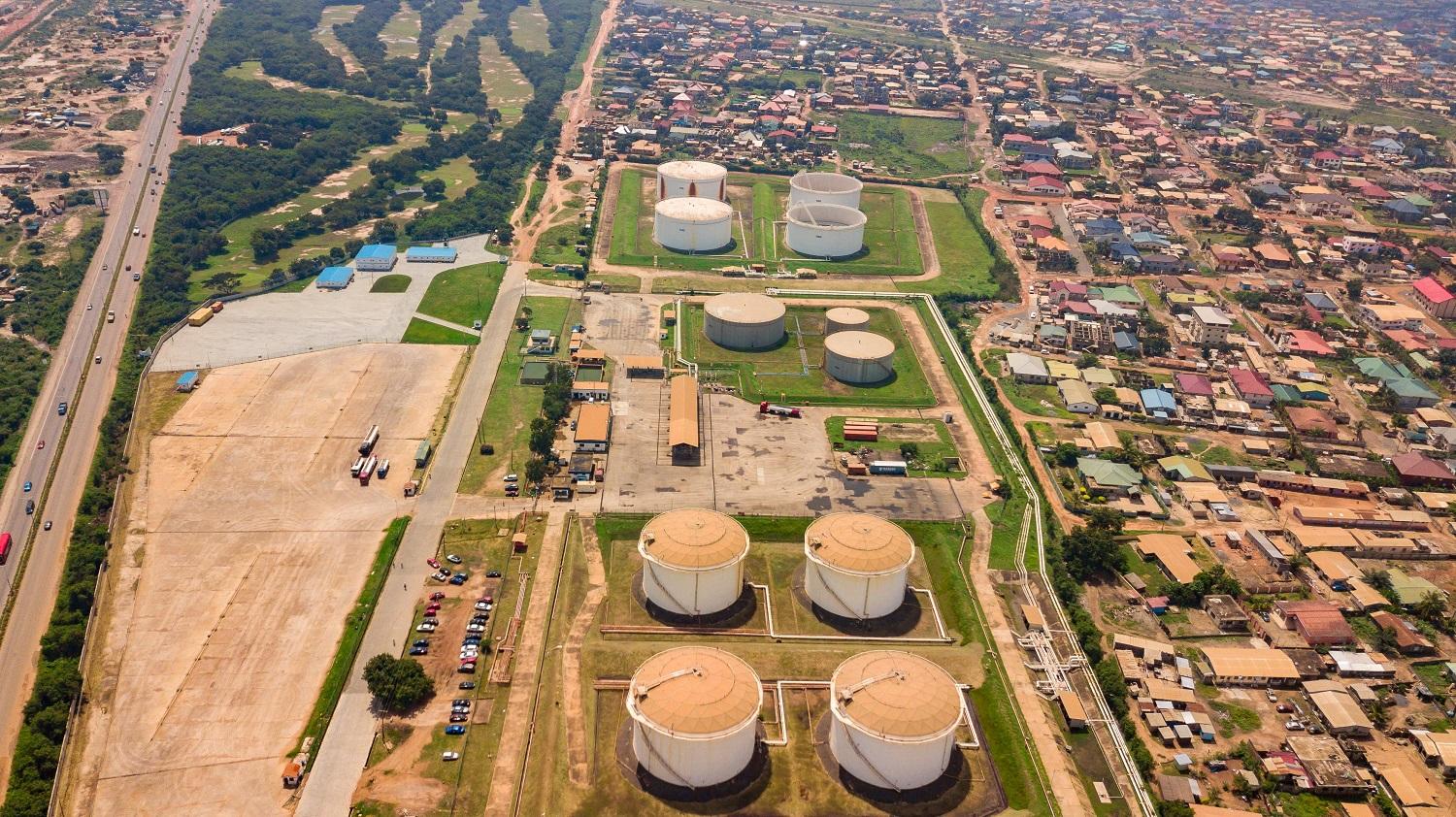

Ghana’s downstream petroleum industry faces the prospect of nationwide industrial action after a major workers’ union threatened to mobilise its members over proposed changes to the country’s petroleum regulatory framework.
The General Transport, Petroleum and Chemical Workers’ Union (GTPCWU), operating under the Trades Union Congress (TUC), has warned that it could organise a nationwide strike if Parliament passes the National Petroleum Authority (NPA) Bill 2026 in its current form.
The union’s concerns centre on Clause 103 of the proposed legislation, which seeks to open the development, operation and maintenance of inland petroleum depots to private operators.
The provision could remove the exclusive mandate currently held by BOST Energies Limited, raising concerns about the future role of the state-owned company.
Why Is the Union Opposing Clause 103?
Addressing journalists at BOST Energies’ premises in Kpone on Monday, November 23, union chairman Bernard Owusu argued that the proposed changes could undermine the company’s operations and place hundreds of jobs at risk.
The union maintains that BOST Energies plays an important role in Ghana’s petroleum supply chain, particularly through its inland storage and transportation infrastructure.
It argues that weakening the company’s position could affect the country’s control over critical energy infrastructure.
The union has clarified that it does not oppose private-sector participation in the petroleum industry. Instead, it wants private investment to be introduced through partnership arrangements that preserve BOST Energies’ strategic role.
Implications for Ghana’s Fuel Supply
The dispute comes at a time when energy security remains an important economic priority for Ghana.
Petroleum storage facilities are essential to ensuring the availability and distribution of fuel across the country.
Any disruption involving workers in the downstream petroleum sector could potentially affect operations at critical storage and distribution facilities.
However, no nationwide strike date has been announced. The proposed industrial action remains conditional on Parliament passing the legislation without addressing the union’s concerns.
What Happens Next?
The immediate focus will be on Parliament’s consideration of the proposed NPA Bill and whether government representatives, lawmakers and organised labour can reach an agreement.
The union is calling for its concerns to be addressed before the legislation progresses.
For motorists, businesses and fuel distributors, the dispute will be worth monitoring closely.
The outcome could have wider implications for employment, private-sector investment and the future management of Ghana’s petroleum infrastructure.
Related posts:
 Ghana-UAE Energy Ties Deepen as UAE Eyes Petroleum Hub
 Ghana Police Arrest 74 in Upper East Anti-Drug and Violent Crime Operations
 Ghana Parliament Passes Human Sexual Rights and Family Values Bill
 Mahama Calls for Renewed Pan-African Unity and Reparations Agenda During UK Visit
 Mahama Begins Belarus Visit as Ghana Pursues Agriculture and Investment Deals