
Ghana CEO Retirement Directive: Presidency Orders Executives Beyond Lawful Tenure to Vacate Office
Ghana’s Presidency orders CEOs beyond lawful retirement limits to hand over. Nukunya explains Article 199, valid extensions and succession safeguards.

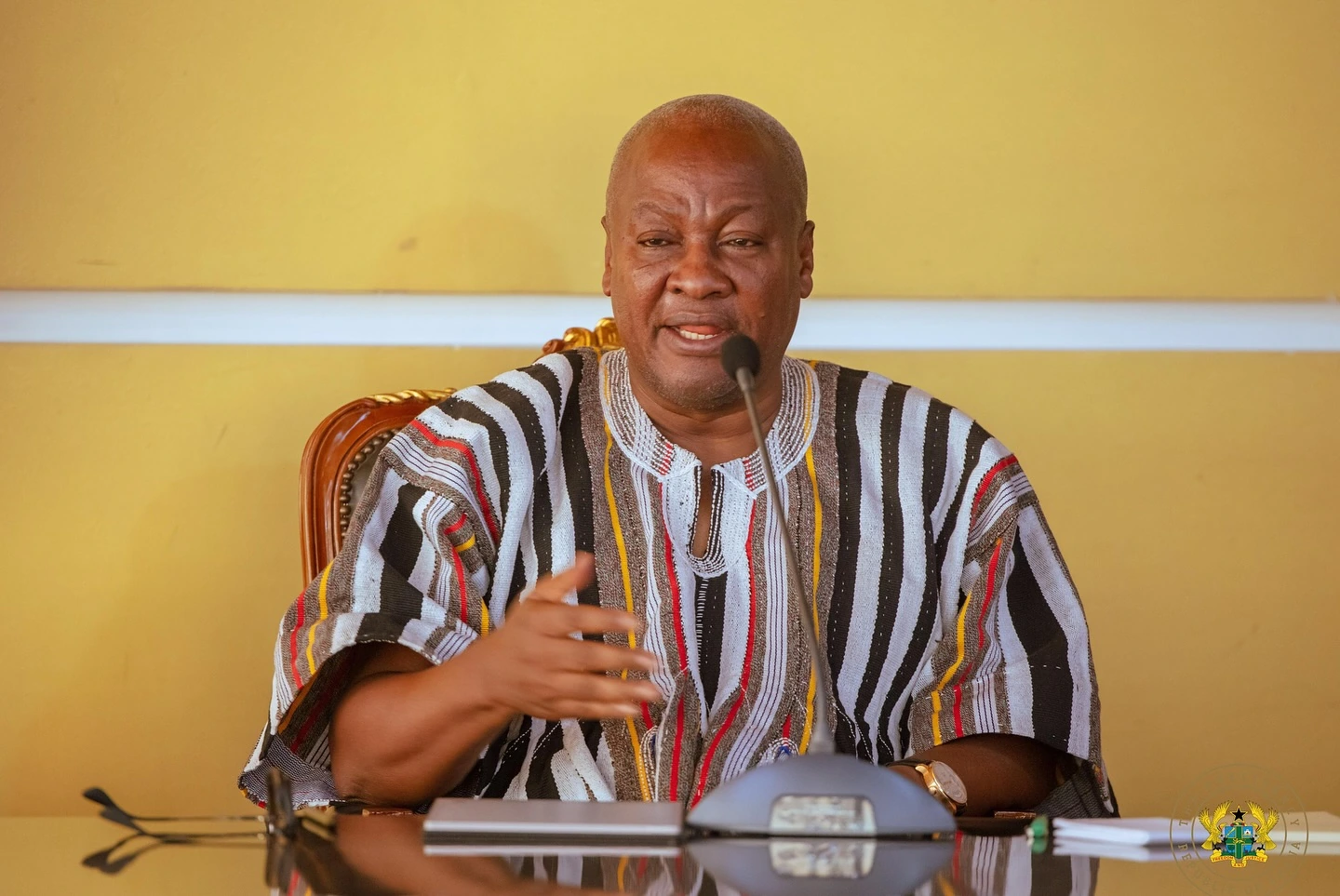

Ghana’s Presidency has instructed ministers to ensure that public-sector chief executives serving beyond their lawful retirement tenure hand over and leave office. The directive reinforces Article 199 of the Constitution, while preserving valid post-retirement engagements within the prescribed limits.
Accra — Ministers have been instructed to review the tenure of chief executives of public institutions and state-owned organisations under their supervision following a presidential directive dated 23 November 2026. The instruction, signed by Secretary to the President Dr Callistus Mahama, requires affected executives to submit their handover documents and leave office without delay.
The instruction covers executives subject to Article 199 who have reached 60 without valid extensions, whose post-retirement contracts have expired, or who have exhausted their permitted cumulative re-engagement period.
What Ghana’s Constitution requires
Article 199(1) of the 1992 Constitution establishes 60 as the normal compulsory retirement age for public officers, subject to exceptions provided by the Constitution itself. The Presidency also invokes Article 199(4), which allows an appointing authority to retain the services of a retired public officer where service needs justify re-engagement. Each engagement may last no more than two years, with a cumulative limit of five years.
The directive is therefore an enforcement instruction, not a new constitutional retirement age. Nor does it abolish lawful extensions. An executive aged 62 with a valid and properly authorised re-engagement is in a different legal position from an executive of the same age whose contract has expired.
Who must leave office?
Understanding Ghana’s constitutional retirement provisions, lawful re-engagement and executive succession.
Does the reported directive require departure?
Explore hypothetical circumstances. These examples are not findings about individual executives.
Age 60 without valid re-engagement
An executive covered by Article 199 who reaches the applicable retirement age without a lawful basis for continued service would ordinarily be required to retire.
The legal classification of the office, verified retirement date and any authorised re-engagement.
Age and job title alone are insufficient to determine the legality of an appointment.
How the five-year cumulative limit works
Example of uninterrupted, lawfully authorised re-engagement beginning at age 60.
Each engagement requires lawful authorisation and must satisfy the applicable constitutional conditions. This example does not establish an automatic entitlement to remain in office until age 65.
Explore the cumulative limit
Adjust the hypothetical number of completed months of re-engagement under Article 199(4).
Three years remain within the cumulative ceiling. Any further engagement requires separate lawful authorisation.
This calculator tests only the cumulative five-year ceiling. It does not determine legal eligibility, contract validity, retirement age or whether the office is covered by Article 199.
What should a proper tenure audit examine?
Legal classification of the office
Determine whether Article 199 applies, whether a different constitutional provision governs retirement, and which establishing legislation is relevant.
Verified retirement date
Establish the applicable retirement date using reliable employment records and the governing legal framework.
Appointment and re-engagement history
Examine appointment instruments, contract dates, expiry dates and the cumulative duration of post-retirement engagements.
Approving authority
Verify whether the appropriate authority lawfully approved each appointment or re-engagement, taking account of Article 195 and applicable institutional rules.
Procedural fairness
Resolve discrepancies and establish the relevant facts before making adverse findings about an individual officeholder.
From tenure review to institutional continuity
-
Verify the appointment
Establish the applicable legal framework and documented tenure.
-
Determine the lawful next step
Confirm whether continued service, retirement or another action is appropriate.
-
Prepare the handover
Document outstanding decisions, commitments, operational risks and urgent matters.
-
Establish lawful interim leadership
Protect delegated authority, financial controls and essential public services.
-
Review succession arrangements
Plan future appointments and monitor upcoming contract expiries.
This is an illustrative governance pathway, not evidence that these stages have been completed by any institution.
Five measures of implementation
Nukunya proposes the following indicators to assess whether the directive is implemented lawfully and effectively.
Appointments reviewed
Proportion of relevant executive appointments assessed.
Official baseline not verifiedUnsupported engagements identified
Verified expired or unsupported engagements requiring resolution.
Official count not verifiedHandover completion
Proportion of required handovers completed by the deadline.
Official completion rate not verifiedLawful interim leadership
Institutions with appropriate interim leadership arrangements.
Official count not verifiedSuccession readiness
Upcoming tenure expiries supported by documented succession plans.
Official baseline not verifiedWill the directive create jobs for younger Ghanaians?
Potential opportunities
Leadership transitions may create vacancies, encourage career progression and support institutional renewal.
What remains unknown
The number of vacancies, recruitment arrangements, appointment dates and employment effects have not been established.
A retirement directive is not a verified employment forecast.
Related posts:
 Ghana Parliament Passes Human Sexual Rights and Family Values Bill
 NDC Renames Headquarters ‘Jerry Rawlings House’ on Founder’s 79th Birthday.
 EOCO under pressure to explain detention of Dennis Miracles Aboagye as NPP supporters protest
 Mahama Nominates Three to Ghana Supreme Court, Parliament to Vet Appointments
 Wontumi jailed for 20 years over illegal mining as Ghana court delivers landmark ruling