Drug Networks Increasingly Target Ghana’s Schools, Education Ministry and NACOC Warn


Follow Nukunya
Get the latest breaking news and updates from Nukunya.
Ghana’s education authorities and the Narcotics Control Commission (NACOC) have warned that organised drug trafficking networks are increasingly targeting schools and universities, prompting a nationwide push for stronger monitoring, early intervention and closer collaboration to protect students.
ACCRA, Ghana — Ghana’s education authorities have warned that organised drug trafficking networks are increasingly targeting schools and universities, prompting a nationwide effort to strengthen surveillance, counselling and early intervention as officials seek to prevent criminal groups from exploiting young people.
The warning follows intelligence gathered by the Narcotics Control Commission (NACOC), which indicates that drug-related activities are no longer confined primarily to traditional street-level distribution but are increasingly being detected within educational institutions, particularly senior high schools and universities. Officials describe the development as an emerging threat rather than evidence of widespread drug activity across all schools.
The development has heightened concern among education and security authorities because schools have traditionally been viewed as protected learning environments. Officials fear organised criminal networks may increasingly be attempting to recruit young people or expand illicit drug markets through educational institutions.
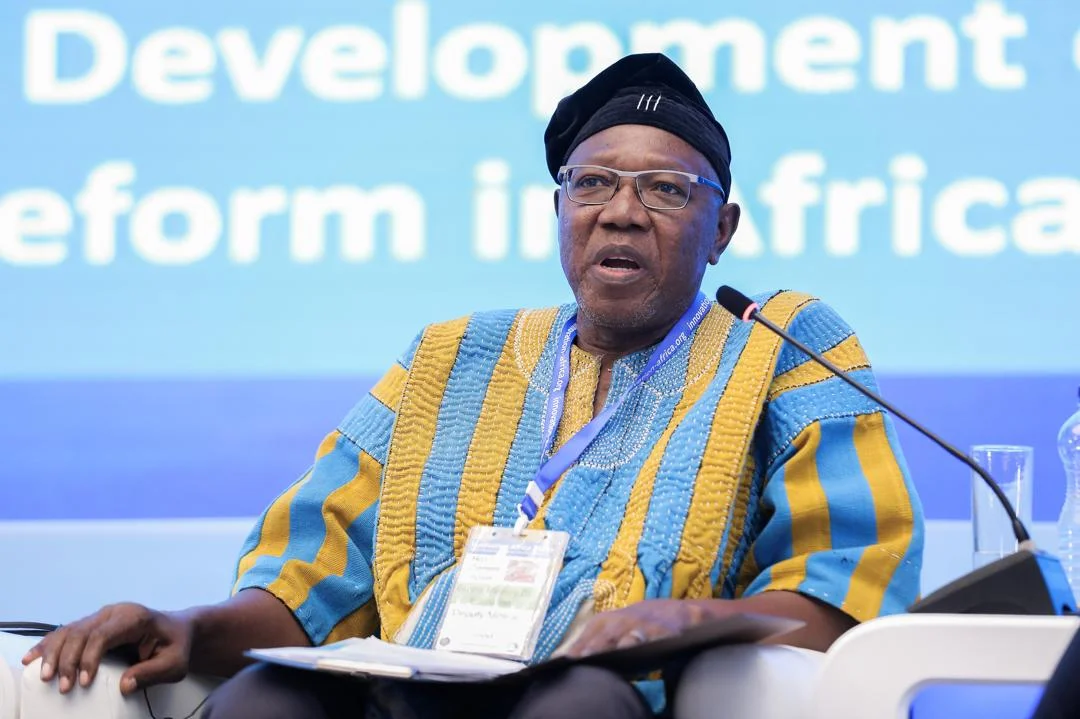
Speaking on Citi FM’s Eyewitness News, Deputy Minister for Education Dr Clement Apaak described the growing use of opioids, tramadol and other illicit substances among young people as part of a wider national and global challenge requiring urgent attention. He said the Ministry of Education is working with the Ghana Education Service (GES), the Ghana Technical and Vocational Education and Training (TVET) Service and NACOC to strengthen monitoring and preventive systems across schools.
Dr Apaak said teachers remain the first line of defence in identifying behavioural changes that may indicate substance abuse or involvement in drug-related activities. He added that school authorities already have powers, where permitted under school regulations and where circumstances justify it, to search students’ bags, trunks and other belongings as part of maintaining discipline and protecting learners.

Intelligence points to changing trafficking patterns
NACOC says recent intelligence-led investigations suggest organised traffickers are adapting their methods, with activities increasingly being detected within educational institutions rather than relying exclusively on conventional street distribution.
Francis Amoah, Head of Public Relations at NACOC, said intelligence gathered by the Commission indicates that drug use and distribution are becoming more visible on some university campuses. He warned that the problem is not confined to tertiary institutions, citing reports involving senior high schools and stressing that younger students are also vulnerable.
“We’ve been told there is a girls’ school where about 20 students have gone home because of drugs,” Amoah said, adding that the Commission views the issue as a growing national concern requiring coordinated action.
To strengthen prevention, NACOC says it has trained counselling and guidance coordinators across the country to identify students at risk and provide early intervention before problems escalate. The Commission says it will continue combining public education campaigns with intelligence-led enforcement operations.
Recent investigations reinforce concerns
The latest warning comes against the backdrop of several recent investigations involving educational institutions.
Earlier this month, NACOC arrested five students at Central University over allegations relating to the production and distribution of cannabis-infused products following intelligence gathered on suspected illicit drug activities on campus. The case highlighted what authorities describe as increasingly sophisticated methods of drug distribution among young people.
Government-backed research has also highlighted growing concerns. A study referenced by the Ministry found that many senior high school students are aware of drug use within their schools, while some reported knowledge of cannabis, alcohol and, in some cases, harder drugs among their peers. Officials say the findings underscore the need for preventive action before organised criminal groups gain a stronger foothold within educational institutions.
Prevention extends beyond law enforcement
Officials stress that tackling drug trafficking in schools cannot rely on policing alone.
The Ministry says teachers, parents, school administrators, health professionals and security agencies all have a role in identifying early warning signs and supporting vulnerable students before they become involved in substance abuse or criminal activity.
Education specialists have long argued that effective prevention combines enforcement with counselling, mental health support, public education and strong parental engagement. Authorities say this broader approach is essential to reducing long-term risks while safeguarding students’ welfare.
An international challenge
Ghana is not alone in confronting the issue.
Education authorities in several countries have reported growing concern about organised criminal groups attempting to recruit young people or expand drug distribution networks through schools and universities. Ghana’s latest warning reflects a challenge increasingly recognised internationally, where prevention strategies focus on both disrupting criminal networks and protecting students through education and early intervention.
Why it matters
The warning signals a shift in Ghana’s anti-drug strategy from reacting to offences after they occur to preventing organised criminal groups from establishing a presence inside educational institutions.
Officials say keeping schools safe will require sustained cooperation between educators, families, health professionals and law enforcement agencies.
As Ghana expands access to secondary and tertiary education, safeguarding schools from organised criminal activity is expected to remain a growing national priority.
At a Glance
Issue: Drug trafficking networks are increasingly targeting schools and universities.
Lead agencies: Ministry of Education, NACOC, GES and TVET Service.
Government response: Stronger monitoring, counselling, intelligence sharing and preventive education.
Recent development: Intelligence-led investigations have identified drug-related activities in some institutions.
Key message: Early intervention is essential to protect students and stop criminal networks gaining a foothold.
What Parents Should Know
- Stay engaged with your child’s school and teachers.
- Be alert to sudden behavioural or social changes.
- Encourage open conversations about substance abuse and peer pressure.
- Seek professional guidance early if concerns arise.
- Support school-based counselling and prevention programmes.
Five Questions Readers May Ask
Are drugs widespread in all Ghanaian schools?
No. Officials describe this as an emerging trend affecting some institutions rather than evidence that all schools are affected.
Why are schools being targeted?
Authorities believe organised criminal networks increasingly view young people as potential recruits or customers.
Can schools search students’ bags?
The Ministry says school authorities may search students’ belongings where school regulations permit and circumstances justify such action.
What is NACOC doing?
NACOC is combining intelligence-led investigations, public education campaigns and specialised training for school counsellors to strengthen prevention.
What role do parents play?
Officials say parents remain critical partners in recognising early warning signs and supporting preventive efforts.
Related posts:
 Teacher Arrested After Viral Assault Video Sparks Safeguarding Concerns at Nyinahin Catholic SHS
  Dr Ofori Sarpong donates 600-bed dormitory to PRESEC Legon to ease student congestion
  GES warns schools against unauthorised fees and reaffirms the Free SHS policy.
  NSMQ Star Prince Debrah Jr Lands Google Engineering Role After MIT Graduation
  Mfantsipim SHS Mourns Student as Police Continue Enquiries Into Circumstances of Death