
Dr Ofori Sarpong donates 600-bed dormitory to PRESEC Legon to ease student congestion


Follow Nukunya
Get the latest breaking news and updates from Nukunya.
Dr Ofori Sarpong donates a 600-bed dormitory to PRESEC Legon, aiming to ease student congestion and improve boarding conditions as Ghana faces growing pressure on secondary school infrastructure.
Accra, Ghana — 7 May 2026
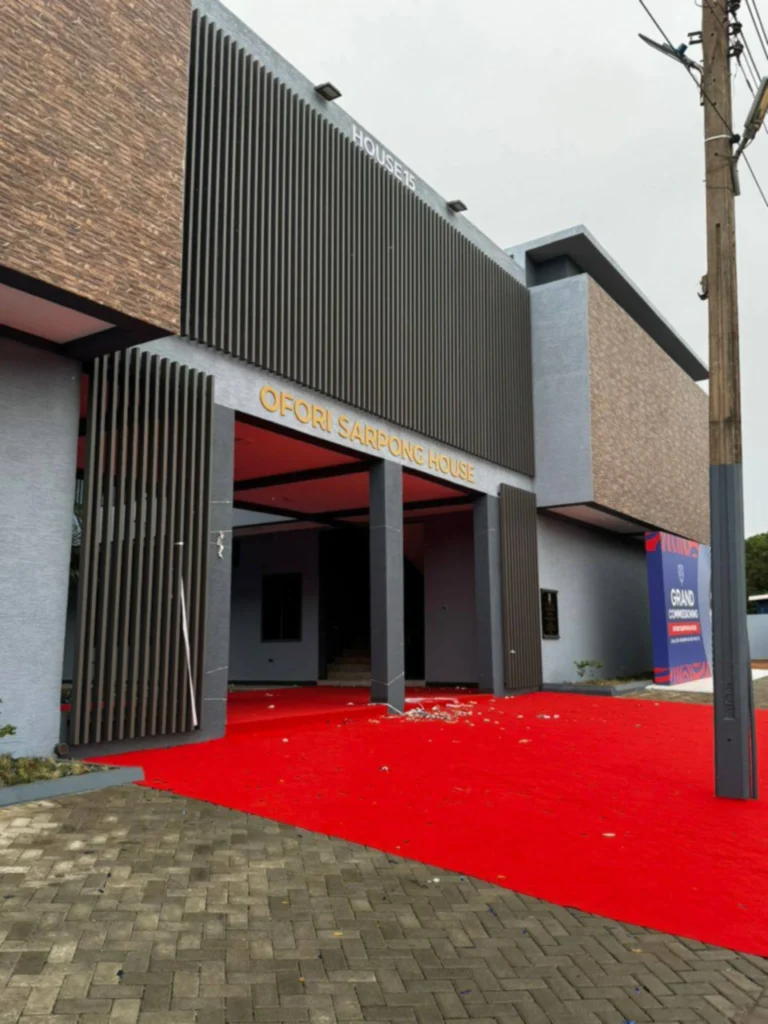
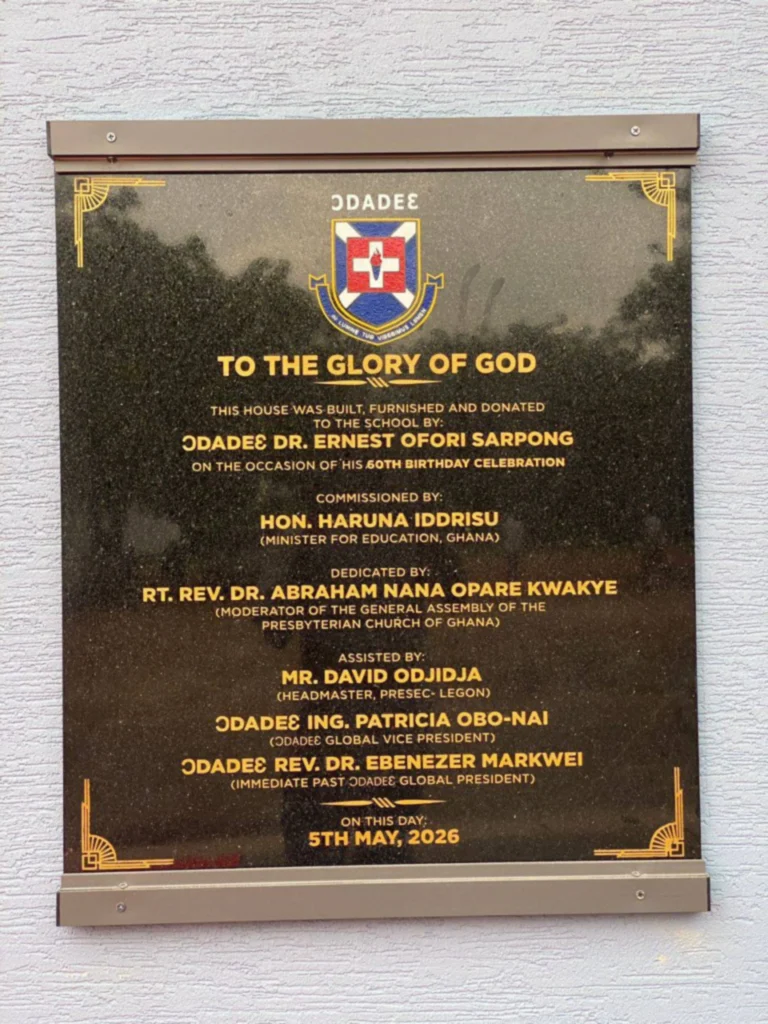
The PRESEC dormitory project by Dr Ofori Sarpong has added 600 new boarding spaces at Presbyterian Boys’ Secondary School (PRESEC), Legon, in a move expected to ease student congestion and improve living conditions. The facility was commissioned as part of activities marking the businessman’s 60th birthday, with education officials and school authorities describing the development as a major contribution to Ghana’s secondary education system. The dormitory, known as “Ofori Sarpong House”, includes modern sleeping areas, study spaces, washrooms and security systems designed to enhance student welfare and academic performance.
PRESEC dormitory project addresses infrastructure pressure
The Dr Ofori Sarpong PRESEC dormitory comes amid increasing demand for boarding facilities across Ghana’s senior high schools. Rising enrolment, driven partly by expanded access policies, has placed sustained pressure on infrastructure, particularly in high-performing schools like PRESEC. School authorities said the new facility will reduce overcrowding in existing dormitories and create a more structured living environment for students. An official at the commissioning described the project as “timely”, noting that student population growth had outpaced infrastructure expansion in recent years.
Government and institutional response
Education officials have welcomed the donation, describing it as aligned with national efforts to expand access to quality education. The Ghana Education Service (GES) said alumni contributions are increasingly central to infrastructure development, alongside government investment. Officials added that alumni groups now play roles beyond funding, including governance support, mentorship and strategic development within schools. Education Minister Haruna Iddrisu commended the initiative and indicated that the government plans additional infrastructure projects for PRESEC, including classroom and assembly facilities.
Human impact: improved student welfare
For students, the Dr Ofori Sarpong PRESEC dormitory is expected to have immediate effects on daily life. Overcrowded dormitories have historically affected sleep quality, study conditions and overall wellbeing in many boarding schools. The new facility provides additional space, improved sanitation and structured study environments, which school authorities say could contribute to better academic outcomes. Students interviewed during the commissioning described the development as improving both comfort and safety. For parents, the expansion reduces concerns about accommodation shortages and student welfare in boarding schools.
Opposing view: equity and distribution concerns
While the donation has received widespread support, some observers have raised concerns about the concentration of private investment in already well-resourced schools. Critics argue that similar investments should target underserved rural schools, where infrastructure gaps remain more severe. Education analysts note that unequal distribution of facilities could widen disparities between elite and less-resourced institutions. Officials acknowledge this challenge but say partnerships with alumni and private actors remain essential to addressing nationwide infrastructure deficits.
Background: business and philanthropy profile
Dr Ernest Ofori Sarpong is an entrepreneur with interests in trading, real estate and manufacturing. He is the founder of Special Investments Limited and Special Ice Company, with operations in Accra and Kumasi. He has also partnered with business figures in media, finance and industrial ventures, contributing to Ghana’s private sector growth. The dormitory project adds to a series of philanthropic initiatives linked to education and youth development. The Dr Ofori Sarpong PRESEC dormitory reflects a structural shift in Ghana’s education financing model.
Ghana vs global comparison
In Ghana, alumni and private sector contributions are increasingly supplementing public funding for school infrastructure. In contrast, countries with stronger public financing frameworks rely less on private donations for core infrastructure.
Past vs present
Historically, secondary school infrastructure in Ghana was primarily state-funded. Current trends show a hybrid model, where alumni and private donors play a growing role in bridging funding gaps.
Policy vs reality
Government policy emphasises equitable access to education, but the distribution of infrastructure remains uneven. While projects like PRESEC’s dormitory improve capacity in high-demand schools, rural institutions continue to face shortages.
Practical consequences
- Reduced congestion improves student welfare and academic focus
- Increased alumni engagement strengthens institutional development
- Potential imbalance if investments are concentrated in elite schools
Education authorities say that government, alumni, and private sector stakeholders must sustain collaboration to meet long-term demand.
Related posts:
 GES warns schools against unauthorised fees and reaffirms the Free SHS policy.
  President Mahama Signs Legal Education Reform Bill 2026 Into Law
  Ghana Partners Google for Education to Expand AI and Digital Skills in Schools
  Ghana Pushes Border Cooperation as Sahel Insecurity Raises Regional Security Risks
  Four armed suspects arrested in Ghana anti-galamsey raid along Ankobra River