
10 Smart AI Devices That Show What the Future of Technology Looks Like


10 Smart AI Devices That Show What the Future of Technology Looks Like
Artificial intelligence is rapidly moving beyond software and chatbots into physical products that people can actually use in everyday life. Instead of remaining inside phones and websites, AI is now appearing in smart home systems, health tools, wearable devices, cameras, and personal assistants designed to make life easier and more connected.
The next generation of technology is becoming less about individual gadgets and more about intelligent systems that understand users, learn behavior, and automate routine tasks. From AI-powered home hubs to portable companions that can interact naturally, these devices provide a glimpse into how technology is changing daily experiences.
Here are 10 smart AI devices that stand out for bringing practical innovation into real-world use.
1. Moes AI Desktop Hub 5S
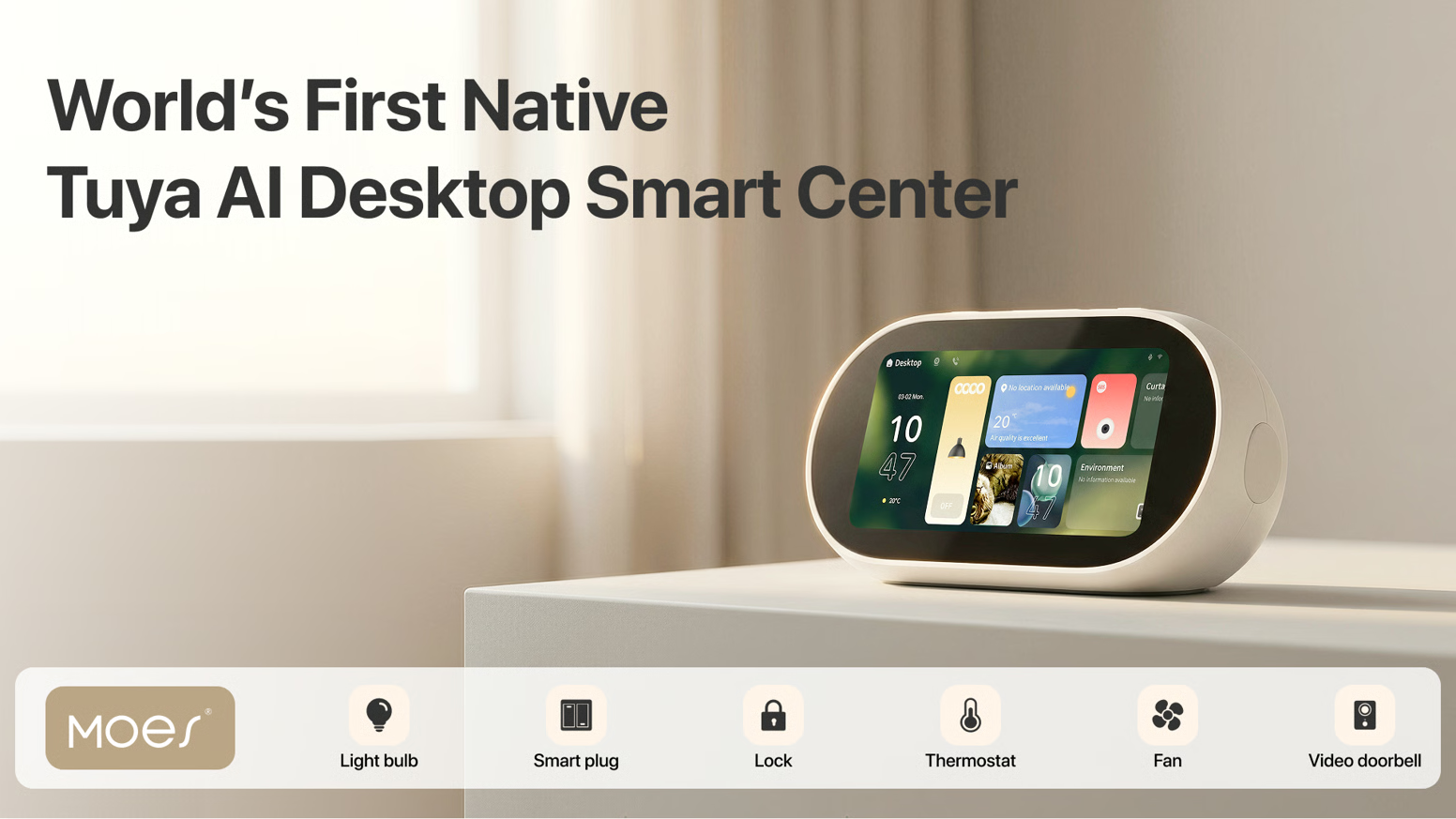
Smart homes continue to become more connected, and the Moes AI Desktop Hub 5S is designed to simplify that experience. Acting as a central control point, the hub allows users to manage multiple smart devices from one location instead of juggling separate apps and controls.
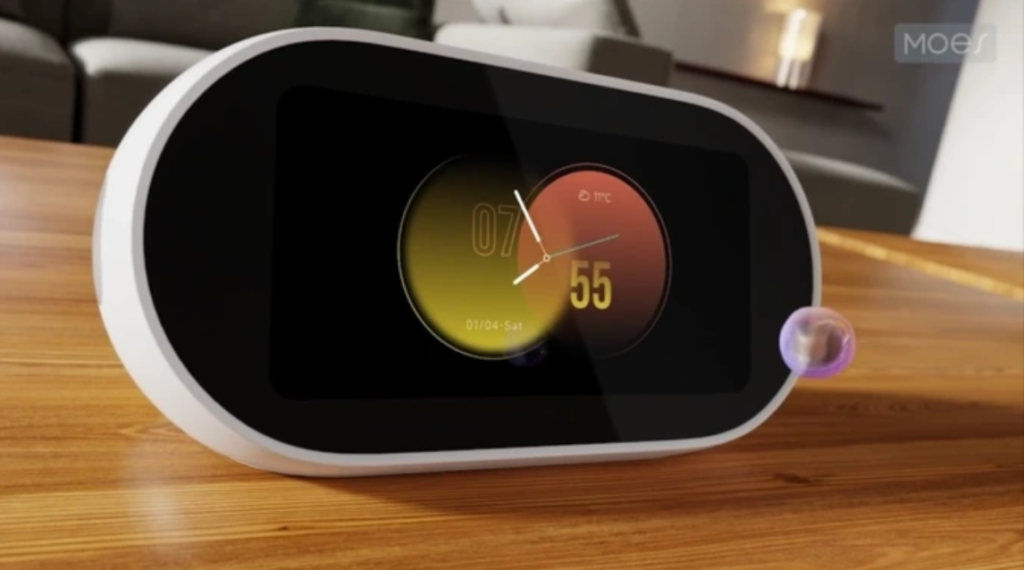
The device supports AI-powered voice commands and can manage lighting systems, curtains, sensors, and other connected devices. It also supports automation routines that can trigger multiple actions at the same time. Rather than treating each smart device individually, the hub creates one coordinated ecosystem.
2. Reon Pocket Pro Plus

Wearable technology is expanding beyond fitness tracking and entering personal comfort. The Reon Pocket Pro Plus introduces wearable temperature control that can provide cooling during hot weather and warmth during colder conditions.
Worn comfortably behind the neck, the device uses intelligent thermal management to adapt to environmental conditions and user movement. Whether commuting, working, traveling, or spending time outdoors, it aims to create a more personalized comfort experience without depending entirely on air conditioning or heating systems.
3. Camera Hub G350
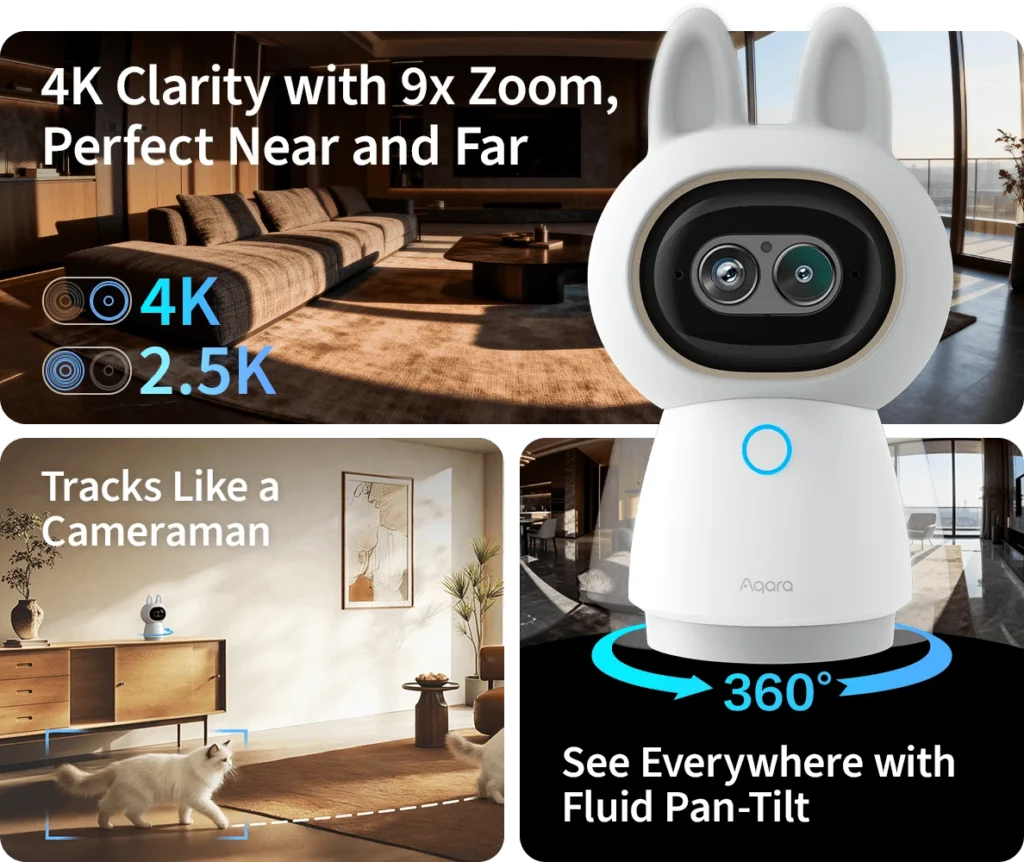
Security systems are becoming smarter, and the Camera Hub G350 combines monitoring with AI-powered automation. Using a dual-camera setup and motorized movement, the device can cover larger indoor spaces while reducing blind spots.
AI features help identify people, pets, sounds, and gestures, making notifications more meaningful. Beyond surveillance, it can also function as a smart home hub, bringing multiple connected devices into a unified environment.
4. 3i Atlas Space Terminal

The 3i Atlas Space Terminal represents a different direction for AI devices by introducing an interactive desktop companion. Instead of acting as a standard display screen, it creates a more engaging relationship between users and AI systems.
With its curved OLED display and intelligent assistant capabilities, the device is designed to communicate naturally, help with daily tasks, and adapt to user preferences over time.
5. Neuro Logics Longevity Mirror
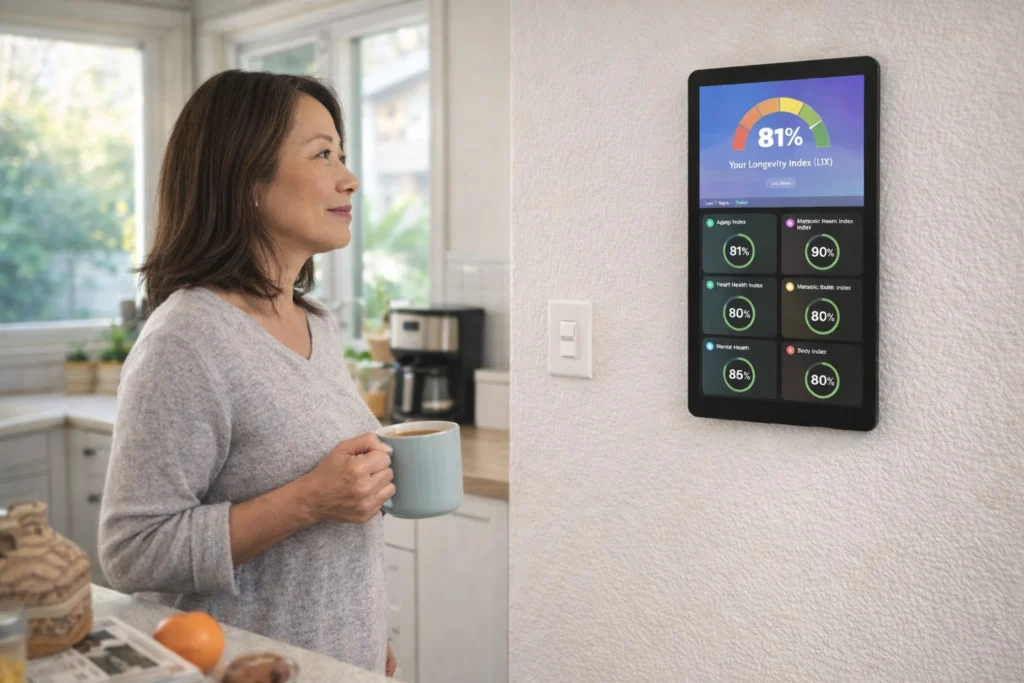
Health technology is increasingly shifting toward non-invasive experiences, and the Neuro Logics Longevity Mirror reflects that trend. Using optical technology and AI analysis, the mirror can gather wellness information through facial scanning.
Instead of relying on wearables or sensors attached to the body, users simply stand in front of the mirror to receive insights related to stress levels, recovery, and wellness patterns.
6. Insta360 Luna Ultra

Content creation continues evolving, and the Insta360 Luna Ultra combines AI with professional-level camera technology in a portable form.
The camera includes advanced stabilization systems, AI-powered subject tracking, and high-resolution recording capabilities. By automatically following subjects and maintaining smooth footage, it reduces some of the complexity involved in producing high-quality content.
7. Huri Close Stage
Artificial intelligence is becoming more personal, and Huri Close Stage turns AI into a physical desktop companion.
Instead of existing only inside applications, it combines displays, microphones, sensors, and movement systems to create interactions that feel more human. Built with local processing capabilities, it also emphasizes privacy by keeping more user data on the device itself.
8. SwitchBot AI Hub

Traditional smart home hubs usually act as simple communication bridges. The SwitchBot AI Hub attempts to go further by understanding activity and responding intelligently.
Using edge AI and visual processing systems, it can analyze what is happening in a home environment and trigger actions automatically. Local processing also reduces dependence on cloud services while improving privacy and response speed.
9. AI Personal Wellness Systems
Many emerging devices are focusing on health monitoring and personalized recommendations. AI-driven wellness platforms are increasingly capable of studying behavioral patterns and generating suggestions related to sleep, exercise, and daily habits.
The goal is shifting from reactive healthcare to continuous preventive monitoring.
10. AI Desktop Companions
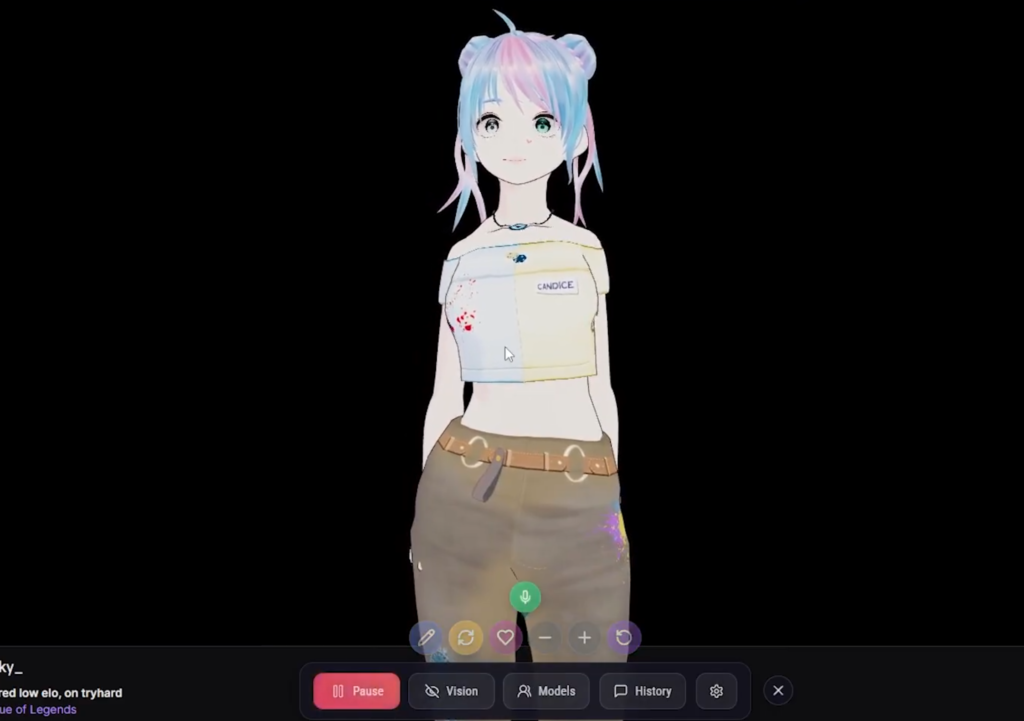
Desktop AI companions are becoming one of the most interesting categories in consumer technology. Instead of functioning as simple virtual assistants, these systems combine visual interfaces, conversational abilities, and adaptive learning to create more personalized interactions.
As AI becomes increasingly integrated into everyday routines, these companions may eventually become digital partners that assist with work, entertainment, and productivity.
The Bigger Picture
These devices reveal an important shift happening across the technology industry. Artificial intelligence is no longer only about generating text or answering questions. It is becoming embedded directly into the physical products people use every day.
The future of AI may not be defined by a single chatbot or application. It may be shaped by intelligent systems working quietly in the background, helping people automate tasks, improve comfort, enhance productivity, and make technology feel more natural.
What once looked like science fiction is increasingly becoming part of everyday life.