Ghana Spends GH¢49.7m to Evacuate Citizens from SA
Ghana spends GH¢49.7m to evacuate citizens from South Africa. Foreign Affairs Minister Samuel Abu Jinapor confirms 1,964 Ghanaians were safely returned home.

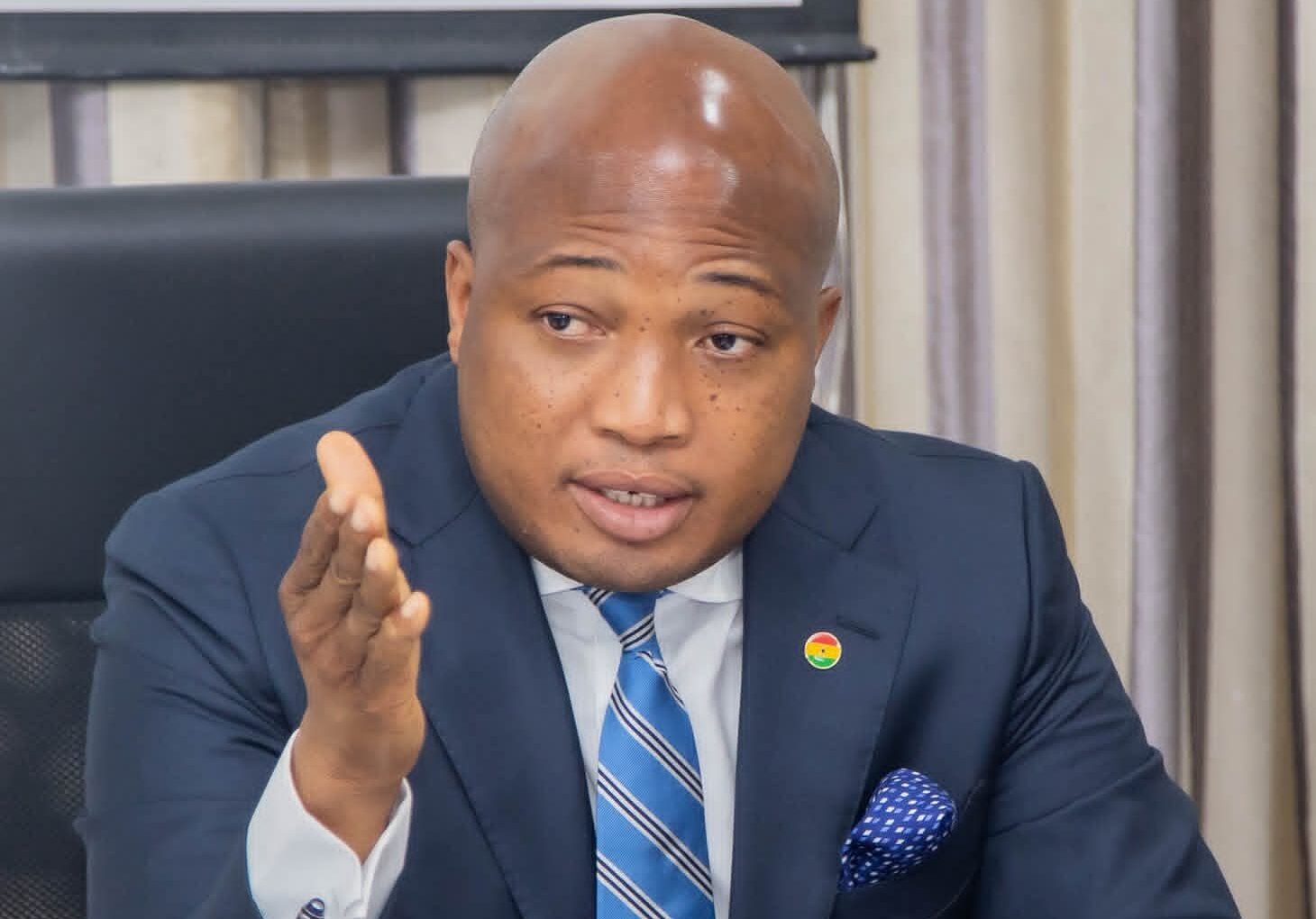

Ghana Spends GH¢49.7m to Evacuate Citizens
“The government spent GH¢49.72 million to evacuate 1,964 Ghanaians from South Africa following a wave of xenophobic attacks.”
— Samuel Abu Jinapor, reporting on behalf of Foreign Affairs Ministry
The Government of Ghana has disclosed that a total of GH¢49.72 million was expended on the emergency evacuation of Ghanaian nationals from South Africa. This significant financial commitment was necessitated by the deteriorating security situation in the Southern African nation, which placed the lives of many Ghanaians at immediate risk. According to official reports, the operation successfully repatriated nearly 2,000 individuals who had sought refuge or were stranded during periods of heightened social unrest.
This expenditure highlights the Ministry of Foreign Affairs and Regional Integration’s commitment to the safety of its diaspora. The process involved complex logistics, including the chartering of flights, temporary housing, and the provision of essential supplies for those displaced. The government emphasized that the Ghana spends GH¢49.7m to evacuate citizens figure covers the entire duration of the emergency response, ensuring that no citizen was left behind due to financial constraints.
Context of the Xenophobic Crisis
The Ministry of Foreign Affairs and Regional Integration prioritizes the safety of Ghanaians abroad. This evacuation was a response to escalating safety concerns for citizens residing in South Africa.
The decision to initiate a large-scale evacuation followed a violent wave of xenophobic attacks South Africa has experienced periodically. These attacks, often targeting foreign nationals from other African countries, led to the destruction of property, physical assaults, and a general atmosphere of fear within migrant communities. Ghanaians in South Africa, particularly those residing in urban centers like Johannesburg and Pretoria, found themselves vulnerable as tensions escalated over perceived competition for jobs and resources.
International observers and human rights organizations have frequently flagged these cycles of violence, urging local authorities to do more to protect foreign residents. For the Ghanaian government, the safety of its people superseded diplomatic sensitivities, leading to the activation of the emergency evacuation protocol. The Ministry of Foreign Affairs and Regional Integration worked closely with the Ghanaian High Commission in Pretoria to identify and mobilize citizens who wished to return home safely.
Breakdown of the GH¢49.7m Evacuation Expenditure
To provide clarity on how the funds were utilized, the government provided a statistical overview of the operation. The scale of the emergency evacuation costs Ghana incurred reflects the logistical hurdles of moving a large population across the continent in a short timeframe.
- Total Expenditure: GH¢49,720,000.00.
- Total Number of Evacuees: 1,964 Ghanaians.
- Primary Costs: Airfare and charter services, ground transportation in South Africa, and emergency medical screening.
- Duration: The operation spanned several weeks to ensure all registered citizens could be processed through immigration.
- Beneficiaries: Primarily students, artisans, and families who had lost their livelihoods during the riots.
Official Government Briefing on the Evacuation
Providing formal details on the operation, Samuel Abu Jinapor Foreign Affairs representative (standing in for the substantive minister during parliamentary briefings) outlined the necessity of the intervention. He explained that the state has a moral and constitutional obligation to protect its citizens regardless of their geographical location. The minister noted that the decision-making process involved high-level consultations between the presidency and security agencies to ensure a seamless transition from the conflict zones back to Accra.
The briefing further clarified that while the GH¢49.7 million sum is substantial, it was vetted to ensure value for money. The logistics were handled through a combination of private sector partnerships and state-owned resources. The Minister assured the public that the government remains vigilant, monitoring the situation of Ghanaians in South Africa who chose to remain, while keeping emergency channels open should the situation deteriorate further.
Accountability in Public Spending
As with all major state expenditures, the announcement of the evacuation costs has sparked a broader conversation regarding transparency and the management of the public purse. Economic analysts argue that while the rescue of citizens is non-negotiable, the administration must ensure that every cedi is accounted for. This aligns with the principle that public money belongs to the people, necessitating a high standard of reporting for emergency funds.
Moving forward, the government is expected to present a detailed audit of these costs to Parliament. Experts suggest that maintaining fiscal discipline and economic stability is essential even during crises, as it allows the state to build the necessary reserves for future emergencies. The Ministry of Foreign Affairs and Regional Integration has pledged to continue its work in tracking the welfare of citizens abroad while streamlining the costs of its humanitarian interventions through better long-term planning and insurance frameworks.
Related posts:
 Mahama Meets King Charles III as Ghana Seeks UK Investment
 Former MASLOC CEO Sedina Tamakloe-Attionu Returned to Ghana to Begin 10-Year Prison Sentence After US Extradition
 FDA Calls for Laws to Regulate Corn Milling in Ghana
 Ayariga: Traders to Pay Market Value for Kejetia Phase Two
 BoG Rate: Cedi Buys at 11.70 to the Dollar Thursday