Annoh-Dompreh flags delay in Parliament committee reports
Minority Chief Whip Frank Annoh-Dompreh flags delay in Parliament committee reports, questioning why Health and Local Government motions are missing from.



Annoh-Dompreh Flags Delay in Parliament Committee Reports
“I am aware of committees that have completed their works… Reports have been submitted, but motions are not being scheduled to be taken on the floor.”
— Frank Annoh-Dompreh, Minority Chief Whip
The legislative pace within Ghana’s Parliament has come under scrutiny as Minority Chief Whip Frank Annoh-Dompreh raised formal concerns regarding the backlog of completed committee reports. The Nsawam-Adoagyiri Member of Parliament is questioning why several critical documents, which have already undergone the necessary committee deliberations, are failing to appear on the official Ghana Parliament Order Paper. This procedural bottleneck, he argues, prevents the House from finalizing business that is essential for national governance.
Speaking on the floor of the House, Annoh-Dompreh highlighted a growing disconnect between the work produced by parliamentary committees and the scheduling decisions made by leadership. While committees are meeting their deadlines and submitting findings, the transition of these reports to the floor for debate and adoption has stalled. The Minority Chief Whip emphasized that these delays are not due to a lack of productivity by the members, but rather a scheduling failure that hampers the legislative process.
Key Committees Affected by Scheduling Delays

The Minority Chief Whip specifically identified two vital committees whose work remains in limbo despite being finalized. The delay in these sectors suggests a broader issue within the parliamentary workflow:
- Local Government Committee Report: This committee handles matters concerning decentralization, district assemblies, and regional administration. Delays here can stall infrastructure projects and administrative reforms at the local level.
- Health Committee Report Ghana: Reports from this committee often involve public health regulations, hospital funding, or the oversight of medical agencies. With health remaining a top priority for the citizenry, the failure to debate these findings has drawn significant criticism.
According to Annoh-Dompreh, these reports have been submitted to the relevant offices, yet they remain absent from the daily agenda. The MP urged the leadership to provide transparency on why these items continue to be overlooked during the scheduling of the House’s business.
What This Delay Means for Ordinary Ghanaians
When committee reports are delayed, it stalls the passage of laws that directly affect social services. For example, the Health and Local Government reports often contain recommendations for hospital funding or local district development projects that citizens rely on.
When parliamentary reports are delayed, the impact ripples beyond the walls of the chamber, affecting the lives of everyday citizens. Legislative reports are the precursors to new laws, amendments, and the disbursement of public funds. A stalled Health Committee report, for instance, may delay the implementation of new safety standards or the approval of critical health sector budget allocations, potentially affecting the quality of care in public facilities.
Similarly, delays in the Local Government committee report can paralyze decision-making for District Chief Executives and local assemblies. Without the necessary parliamentary approvals, local authorities may find themselves unable to execute planned community projects or resolve administrative disputes. For the average Ghanaian, these procedural delays manifest as slower government response times and a lack of progress on regional development initiatives.
The Controversy Over the Collins Dauda Report
One of the most high-profile delays mentioned by Annoh-Dompreh involves the report concerning Asutifi South MP, Collins Dauda. This specific matter has been pending since before the last parliamentary recess. The Minority Chief Whip noted that while the report was ready for debate months ago, the previous Majority leadership requested additional time for consultations, effectively shelving the document.
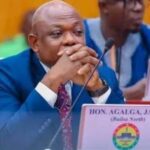
The transition of leadership in the House, which saw James Agalga Majority leadership (in an acting capacity) take over roles in August, was expected to clear some of the legislative backlog. However, the Collins Dauda report remains unscheduled. This situation mirrors broader discussions regarding political accountability and the complexities of Ghana’s foreign policy stance and internal political dynamics, where sensitive reports are often subjected to prolonged “consultation” periods that critics label as tactical delays.
Collaboration Between Whips and the Table Office
To resolve the current impasse, Annoh-Dompreh called for a more robust collaboration between the various leadership arms of Parliament. He specifically urged the Majority leadership, the Whips, and the Table Office to align their efforts. The Table Office is responsible for the preparation of the Order Paper, but the items listed are typically determined by the leadership’s priorities. By fostering better communication, the Minority Chief Whip believes the House can avoid the “logjam” currently frustrating members.
This call for efficiency comes at a time when political parties are also managing internal pressures, such as the upcoming internal elections, which can often distract from legislative duties. Annoh-Dompreh argued that the House must remain focused on its constitutional mandate, regardless of external political calendars, to ensure that the Ghana Parliament Order Paper reflects the most urgent needs of the nation.
Conclusion: The Need for Parliamentary Transparency
The efficiency of a democratic legislature is measured by its ability to process business and hold the executive accountable. When committee reports—the result of weeks or months of expert testimony and research—are left to gather dust, the entire democratic process suffers. Annoh-Dompreh’s public flagging of these delays serves as a reminder that transparency in scheduling is just as important as transparency in debating.
For Ghana’s Parliament to function effectively, the transition from committee submission to floor debate must be seamless. As the House continues its current session, observers will be watching closely to see if the Local Government and Health committee reports finally make their way onto the agenda, or if the legislative bottleneck will continue to hinder the progress of national policy.