NAIMOS Arrests Four for Illegal Sand Winning at Afienya
Four suspects were arrested for illegal sand winning at Afienya by NAIMOS. Learn how this operation protects Ghanaian land and what it means for local.


NAIMOS Crackdown on Illegal Sand Winning at Afienya
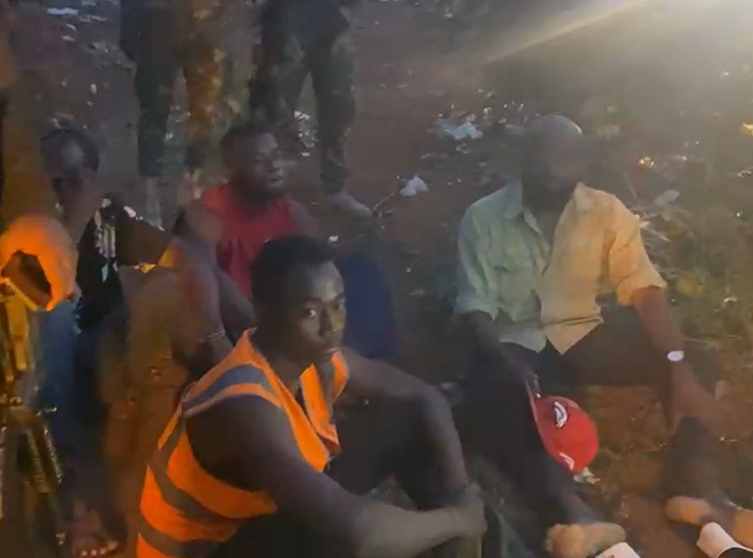
The fight against environmental degradation in Ghana has intensified following a successful enforcement operation by the National Anti-Illegal Mining Operations Secretariat (NAIMOS). In a recent tactical move to curb unauthorized excavation activities, the secretariat conducted a targeted raid that led to the illegal sand winning at Afienya arrests. Four individuals were apprehended at the site, marking a significant step in the government’s efforts to regulate the extraction of natural resources within the Greater Accra Region.
The operation targeted a site that had become a hub for unauthorized sand winning, an activity that has increasingly threatened the ecological stability of the Afienya enclave. The NAIMOS Ghana enforcement team acted on intelligence regarding persistent violations of land-use regulations. During the raid, officials intercepted the suspects while they were actively engaged in loading sand, highlighting the brazen nature of these illegal operations. The swift response by the illegal mining Secretariat underscores a renewed commitment to law enforcement in areas where environmental laws are frequently bypassed for quick financial gain.
Details of the Afienya Enforcement Operation

The enforcement operation was executed with precision on Thursday, November 5. According to reports from the field, the NAIMOS team arrived at the Afienya site to find the suspects prepared for large-scale extraction. The following details outline the specifics of the intervention:
- Suspects Apprehended: Four individuals were taken into custody at the scene of the illegal activity.
- Equipment Seizure: Three Shacman tipper trucks, used for transporting large volumes of sand, were impounded by the secretariat.
- Handover to Authorities: Following the initial arrest, the suspects and the seized equipment were handed over to the Ghana Police Service for further investigation and subsequent prosecution.
- Timeline: The operation occurred during daylight hours, indicating the perpetrators’ disregard for existing surveillance and legal frameworks.
The seizure of the Shacman trucks is particularly notable, as these heavy-duty vehicles are essential to the logistics of Afienya arrests and the broader sand-winning industry. By removing the machinery, NAIMOS aims to disrupt the operational capacity of illegal syndicates that profit from land degradation Ghana.
Impact of Illegal Sand Winning on Ordinary People in Ghana
For ordinary Ghanaians, illegal sand winning is more than an environmental issue; it is a threat to property and livelihood. When land is degraded, it loses its agricultural value, and the open pits left behind become breeding grounds for mosquitoes or hazardous traps during the rainy season. Furthermore, the use of armed thugs to intimidate landowners creates a climate of fear and insecurity in developing communities.
Illegal sand winning is far from a victimless crime. For the residents of Afienya and surrounding communities, the consequences are both physical and economic. One of the most pressing issues is the systematic destruction of land that would otherwise be used for agriculture or residential development. Ordinary citizens often find their plantations destroyed as excavators tear through the topsoil, leaving behind gaping pits that are dangerous and unusable.
Beyond the environmental impact, there is a sinister social dimension to these activities. Residents have reported that illegal operators frequently deploy armed thugs to intimidate local landowners. These “land guards” are used to silence opposition, making it difficult for legitimate owners to defend their property. This atmosphere of fear has led to significant distress among families who have invested their life savings into their land, only to see it degraded by unregulated mining activities.
Ongoing Enforcement and the Role of NAIMOS
“We will continue with this enforcement to ensure that people with their legitimate land and plantations do not fall prey to the illegal sand winners.”
— Colonel K. S. Appiah, Director of Operations at NAIMOS
The Director of Operations at NAIMOS, Colonel K. S. Appiah, has been vocal about the secretariat’s mission to protect the environment and the rights of legitimate landowners. He emphasized that the Afienya operation is not an isolated event but part of a sustained campaign against environmental lawbreakers. The secretariat is focusing on areas where land has been severely degraded, ensuring that those who have abandoned sites without reclamation are held accountable.
Colonel Appiah noted that in many regions, the level of degradation is “devastating,” with vast tracts of land left in ruins. The goal of the current enforcement strategy is twofold: to stop active illegal winning and to serve as a deterrent to others considering similar path. By maintaining a presence in volatile areas, NAIMOS seeks to ensure that plantations and legitimate residential projects do not fall prey to illegal syndicates.
Political Context: Governance and Resource Protection
These enforcement actions occur within a broader political landscape focused on sustainable development and the rule of law. The government’s ability to manage natural resources effectively is a key pillar of national stability. Just as the state focuses on infrastructure and logistics, such as national airline plans to boost the economy, it must also safeguard the fundamental resource of land.
The management of land and minerals often becomes a talking point during election cycles. As political parties prepare for future contests, including the NDC’s national executive elections, the effectiveness of agencies like NAIMOS in protecting citizens’ property rights remains a critical metric of governance. Ensuring that the illegal mining Secretariat is well-funded and legally empowered is essential for maintaining public trust in the state’s ability to provide security and environmental stewardship.
Frequently Asked Questions about Sand Winning in Ghana
Understanding the legalities of sand winning is essential for both contractors and landowners. Many citizens are unaware of the specific permits required by the Minerals Commission and the Environmental Protection Agency (EPA) to conduct these activities legally. Without proper authorization, any form of sand extraction is considered a criminal offense, punishable under the minerals and mining laws of Ghana. Addressing these legal gaps is a priority for Colonel K. S. Appiah and his team as they continue their nationwide enforcement drive.
Frequently asked questions
What is NAIMOS?
NAIMOS is the National Anti-Illegal Mining Operations Secretariat, an enforcement body in Ghana dedicated to curbing illegal mining and sand winning activities that degrade the environment.
How does illegal sand winning affect local residents?
Illegal sand winning destroys the topsoil, ruins plantations, and leaves land unsuitable for construction or farming. Residents often report the use of intimidation tactics by operators to prevent complaints.
Related posts:
 NER: 2 Arrested as 118 Bags of Cocoa Are Hidden Under Plantains
 Afenyo-Markin Calls for Calm as 3 Die in Land Dispute
 Ankobra River Cleared of Changfan Machines – Lands Minister
 Four Police Officers Honoured for Busting Robbery Gang in Wa
 Ghana Police Arrest 74 in Upper East Anti-Drug and Violent Crime Operations