Ghana and UK Prepare Historic Reparatory Justice Dialogue as African Descendants Seek Recognition and Restitution
Ghana and the United Kingdom are preparing to begin formal discussions on reparatory justice in early 2027, marking a significant development in efforts to confront the legacy of the transatlantic slave trade. The proposed dialogue could open new conversations about historical responsibility, cultural restitution, education and the lasting consequences of slavery for African and Caribbean communities.

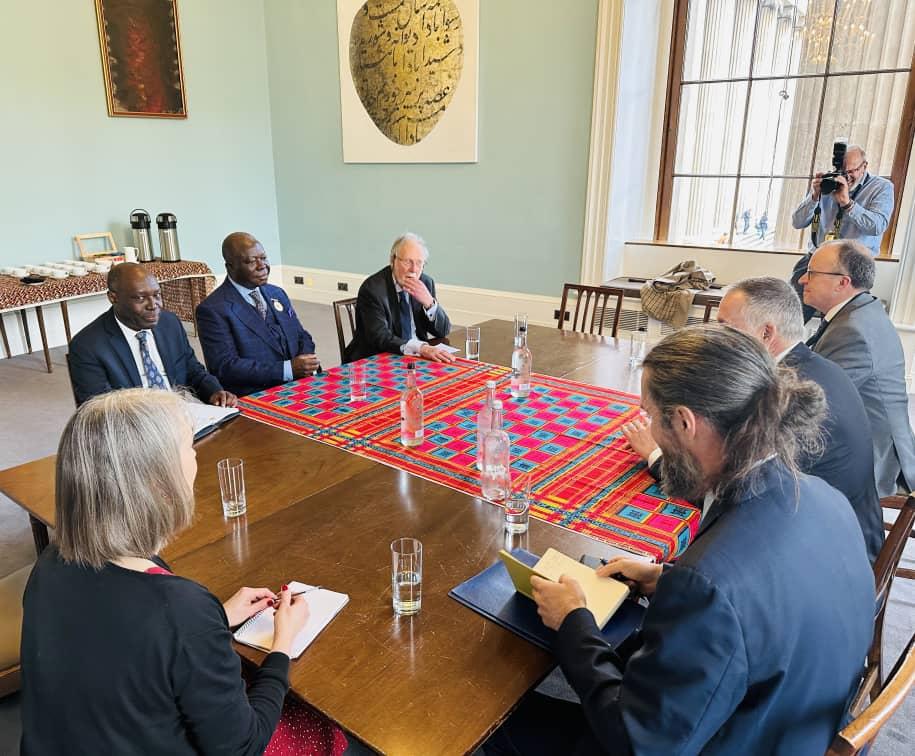

Ghana and the United Kingdom are preparing for a historic diplomatic dialogue on reparatory justice, potentially opening a new chapter in how both countries confront their shared history of the transatlantic slave trade.
The announcement follows discussions between Ghanaian Foreign Affairs Minister Samuel Okudzeto Ablakwa and UK Foreign Secretary Ed Miliband during the Commonwealth Heads of Government Meeting in Antigua and Barbuda in November 2026.
British High Commissioner to Ghana Christian Rogg subsequently confirmed that formal discussions were expected to begin in early 2027.
The proposed engagement represents an important development for Ghana, which has increasingly positioned itself at the forefront of international discussions about historical injustice and the consequences of slavery.
What Will the Reparatory Justice Discussions Cover?
According to Ghana’s Ministry of Foreign Affairs, the proposed dialogue could run for approximately 12 months.
The discussions are expected to address several areas, including:
- Historical justice and recognition of the transatlantic slave trade.
- Education and greater awareness of slavery’s historical consequences.
- Cultural restitution and the return of African artefacts.
- Climate justice and the economic challenges facing developing countries.
- Debt sustainability and reform of international financial institutions.
The two governments have also discussed arrangements for African and Caribbean co-chairs to participate in the process.
However, the precise structure, participants and final terms of reference remain subject to agreement.
Why the Dialogue Matters to the African Diaspora
For millions of people of African descent living in the United Kingdom, the United States, the Caribbean and across Europe, the legacy of slavery remains an important part of family history, identity and cultural heritage.
The transatlantic slave trade forcibly displaced millions of Africans over several centuries, creating communities across the Americas and Caribbean whose ancestral connections were often disrupted.
For descendants seeking to understand their heritage, discussions about reparatory justice extend beyond financial compensation.
They also involve historical recognition, access to ancestral records, cultural restoration and opportunities to reconnect with communities of origin.
Ghana has increasingly become an important destination for members of the African diaspora seeking to explore these connections.
Will Britain Offer an Apology or Financial Reparations?
One of the most important questions surrounding the proposed discussions concerns what the United Kingdom is prepared to offer.
The British Government has expressed openness to a formal apology and structured dialogue, but has maintained that its position on financial reparations has not changed.
This distinction is significant.
An apology, cultural cooperation and educational programmes would represent different forms of engagement from direct financial compensation.
Ghana and other African and Caribbean countries are expected to continue advocating for a broader approach to historical justice.
What Happens Next?
The proposed dialogue is expected to begin in 2027, with both governments working towards finalising its structure and arrangements.
For Ghana’s global diaspora, the significance of the process will ultimately depend on whether communities affected by slavery are meaningfully included.
The challenge is to ensure that the discussions move beyond diplomatic statements and deliver practical outcomes that acknowledge history while addressing its continuing consequences.
For generations separated by the transatlantic slave trade, 2027 could become an important moment in the wider pursuit of recognition, reconciliation and historical justice.
Related posts:
 Ghana seeks AU intervention over xenophobic attacks in South Africa
 Mahama Calls for Renewed Pan-African Unity and Reparations Agenda During UK Visit
 Ghana’s UK High Commissioner Calls on Diaspora to Drive Investment and Growth
 Ghana moves nearly 900 citizens to safe havens ahead of South Africa protests
 British Teen Gwen Klu Chooses Ghana for Billie Jean King Cup Debut