
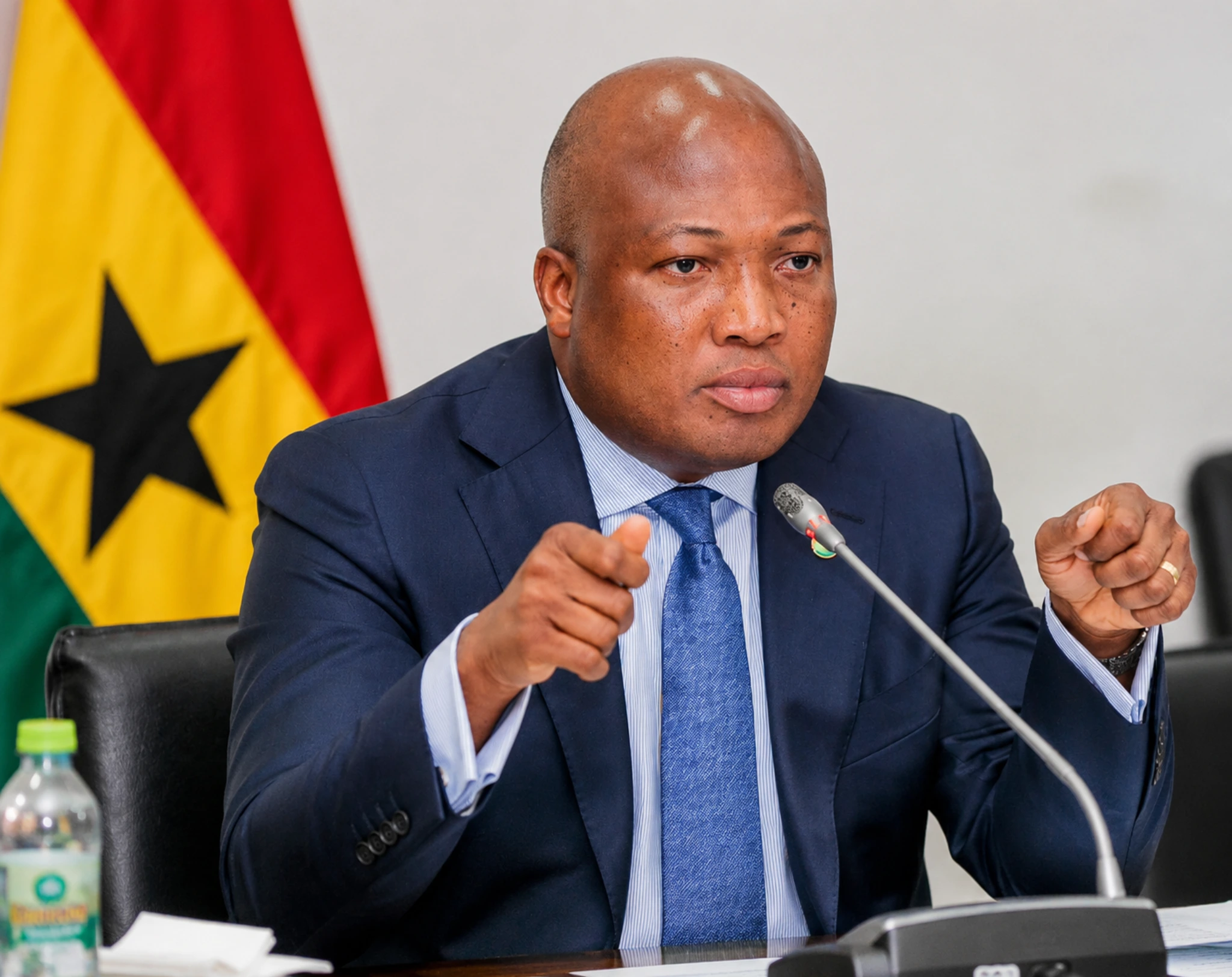
Ghana seeks AU intervention over xenophobic attacks in South Africa


Follow Nukunya
Get the latest breaking news and updates from Nukunya.
Ghana seeks AU intervention over xenophobic attacks in South Africa, calling for urgent continental action as violence against African nationals raises concerns over safety, trade and regional unity.
ACCRA, Ghana — 7 May 2026
Ghana’s AU xenophobic attacks and South Africa’s intervention request have been formally submitted, with the government calling on the African Union (AU) to address recurring violence targeting African nationals. The petition seeks to place the issue on the agenda of the AU’s upcoming Mid-Year Coordination Meeting scheduled for June in El Alamein, Egypt. In a letter dated 6 May, Ghana’s Minister for Foreign Affairs, Samuel Okudzeto Ablakwa, described the attacks as a matter of “urgent continental interest” requiring collective action.
Ghana, AU, xenophobic attacks South Africa push for action
Ghana said the recurring incidents have led to loss of lives, destruction of businesses and threats to the safety of African nationals living in South Africa. The government expressed concern that such attacks undermine African solidarity and contradict principles of continental unity. The letter argued that targeting nationals from other African countries weakens integration efforts and conflicts with objectives of the African Continental Free Trade Area (AfCFTA). Officials also warned that the attacks risk eroding trust between member states.
AU measures proposed by Ghana
Ghana has proposed several measures for consideration by the African Union. These include placing the issue formally on the AU agenda, strengthening monitoring mechanisms, and ensuring member states uphold obligations under continental human rights frameworks. The government also called for the establishment of a fact-finding mission to investigate the root causes of xenophobic violence. In addition, Ghana urged dialogue and reconciliation initiatives to promote tolerance, inclusion and regional integration.
Human impact: migrants, businesses and communities
The attacks have had direct consequences for African migrants living in South Africa. Foreign nationals, including Ghanaians, have historically been among those affected, and these incidents have caused injuries, displacement, and loss of livelihoods. They have also targeted small businesses operated by migrants, resulting in economic losses and reduced cross-border trade activity. The violence has increased insecurity for affected communities, and many migrants have expressed concerns about safety and long-term residence.
Opposing view: domestic pressures within South Africa
Analysts note that xenophobic tensions in South Africa are often linked to broader socio-economic challenges. These include high unemployment, inequality and competition for limited resources in urban areas. Some South African stakeholders argue that addressing domestic economic pressures is central to reducing tensions, alongside enforcement of law and order. Authorities in South Africa have previously condemned such attacks and pledged investigations and protective measures.
Historical context of xenophobic attacks
Xenophobic violence in South Africa has occurred periodically over the past two decades. Major outbreaks, including incidents in 2019, triggered diplomatic tensions between South Africa and several African countries. Foreign nationals from Nigeria, Zimbabwe, Mozambique, Somalia, Ethiopia, and Ghana have frequently faced challenges. The African Union has consistently condemned such violence, describing it as contrary to the vision of African unity and integration.
What this means
Ghana’s request for AU intervention reflects growing concern over the regional implications of xenophobic violence. Xenophobic incidents in South Africa have been recurring rather than isolated events. The current escalation reinforces the need for coordinated continental response. While African Union frameworks promote free movement and integration, repeated attacks highlight gaps in enforcement and protection. The AfCFTA aims to boost intra-African trade, but insecurity affecting migrant traders may undermine economic cooperation.
Practical consequences
- Increased diplomatic pressure on South Africa
- Potential impact on intra-African trade and investment
- Heightened security concerns for migrants
- Calls for stronger AU monitoring and enforcement mechanisms
For policymakers, the situation demands coordinated responses that address both security and socio-economic drivers of xenophobia. For African citizens, it highlights the challenges of achieving continental unity amid domestic pressures.
Sources: African Union policy frameworks, AfCFTA documentation
Additional reporting and analysis by Nukunya News Desk
Related posts:
 Nearly 300 Ghanaians evacuated from South Africa arrive in Accra amid anti-immigration protests
  Ayawaso East desks donation: MP Baba Jamal gives 1,000 desks to schools
  How New UK, US and EU Immigration Rules Are Affecting Ghanaians Abroad
  Ghana Pushes Border Cooperation as Sahel Insecurity Raises Regional Security Risks
  First group of Ghanaians repatriated from South Africa after migrant protests