
Kasoa–Old Barrier traffic gridlock leaves commuters stranded for hours


Follow Nukunya
Get the latest breaking news and updates from Nukunya.
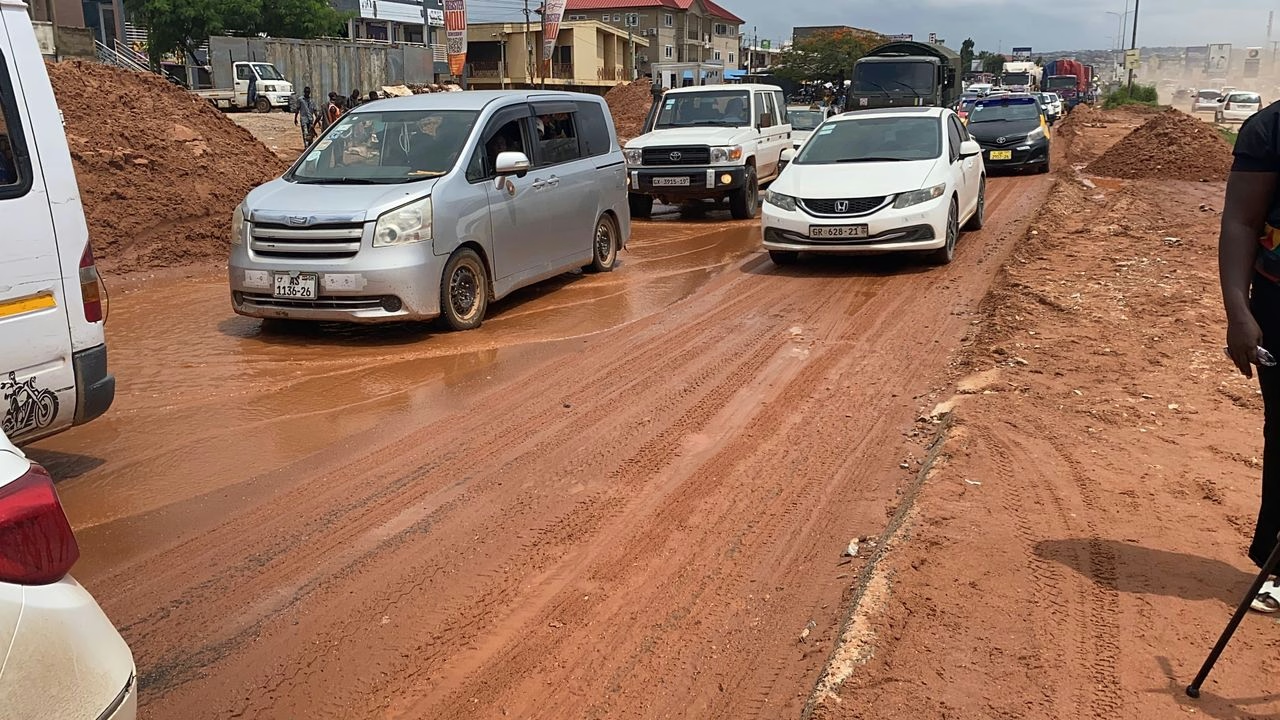
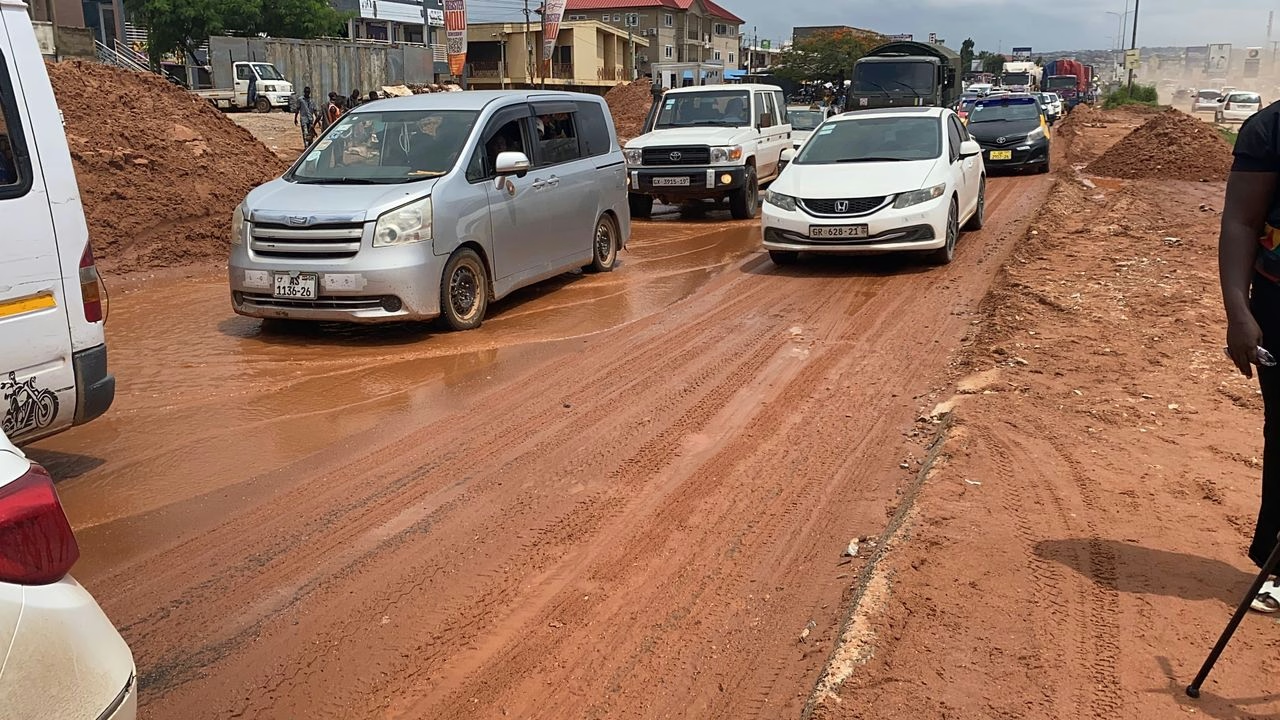
Heavy congestion brought traffic along the Kasoa–Old Barrier corridor to a near standstill on Friday after silt accumulation, crash debris and deteriorating road conditions reduced road capacity. Authorities have begun clearing the route, but commuters say long-term improvements are needed.
Accra, Ghana – Heavy traffic disrupted travel along the Kasoa–Old Barrier corridor on Friday after silt accumulation, crash debris and deteriorating road conditions reduced road capacity, leaving large numbers of motorists and passengers stranded for hours.
The disruption affected one of the busiest transport corridors linking Greater Accra and the Central Region. The route carries substantial volumes of commuter, commercial and freight traffic each day, meaning delays often have wider effects on movement between Kasoa and Accra.
Reports indicate that the congestion resulted from a combination of heavy silt deposits on sections of the roadway, deteriorating surface conditions and scrap metal debris left after a truck transporting metal overturned several days earlier. The remaining debris partially obstructed the carriageway, further slowing vehicle movement.
The Kasoa–Old Barrier stretch is prone to recurring silt accumulation, particularly during the rainy season. The build-up narrows sections of the road, reduces traffic capacity and contributes to recurring congestion during peak travel periods.
Motorists and passengers described lengthy delays, with some spending several hours on a journey that ordinarily takes less than 10 minutes. Commercial drivers also reported slower turnaround times as vehicles moved cautiously through muddy sections and around potholes.
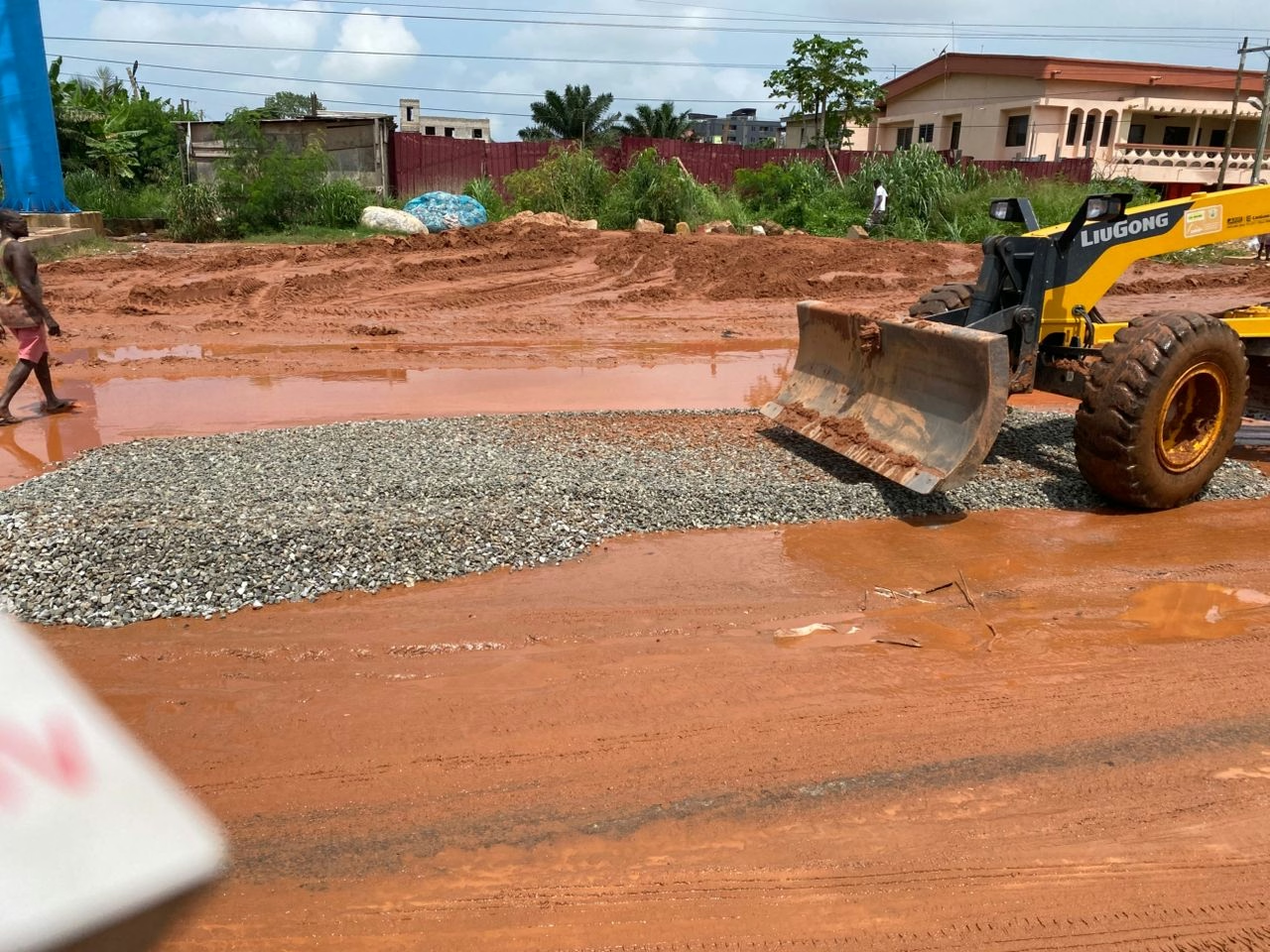
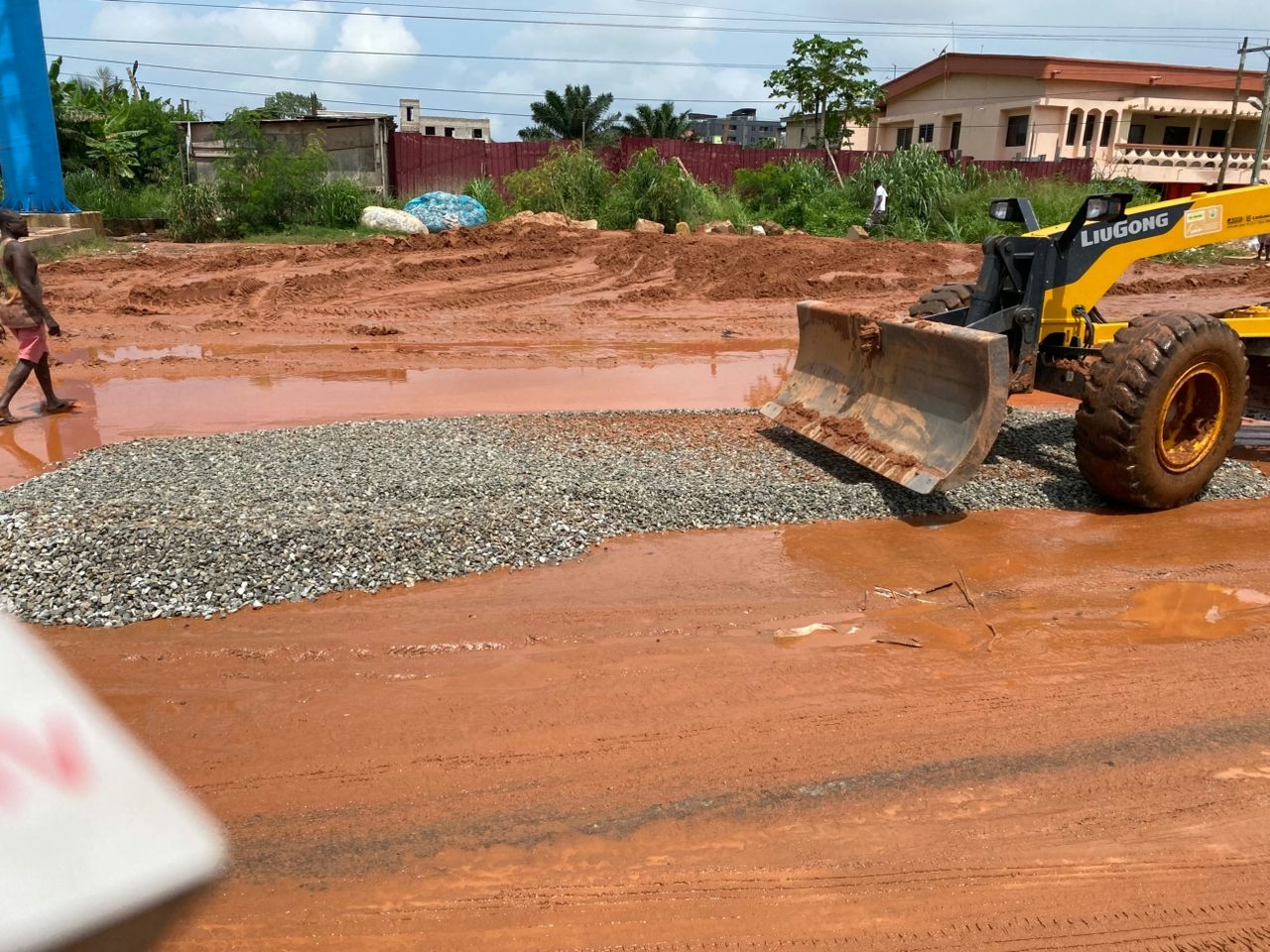
Authorities have since begun clearing the remaining scrap metal from the roadway while carrying out temporary repairs, including filling potholes with stones to improve vehicle movement and restore traffic flow.
Residents and road users welcomed the emergency intervention but said the recurring congestion points to longer-term challenges involving drainage, road maintenance and traffic management along the corridor.
No timeline has yet been announced for permanent rehabilitation or engineering works to address the underlying causes of the recurring congestion, based on the information available in the reports reviewed by Nukunya News.

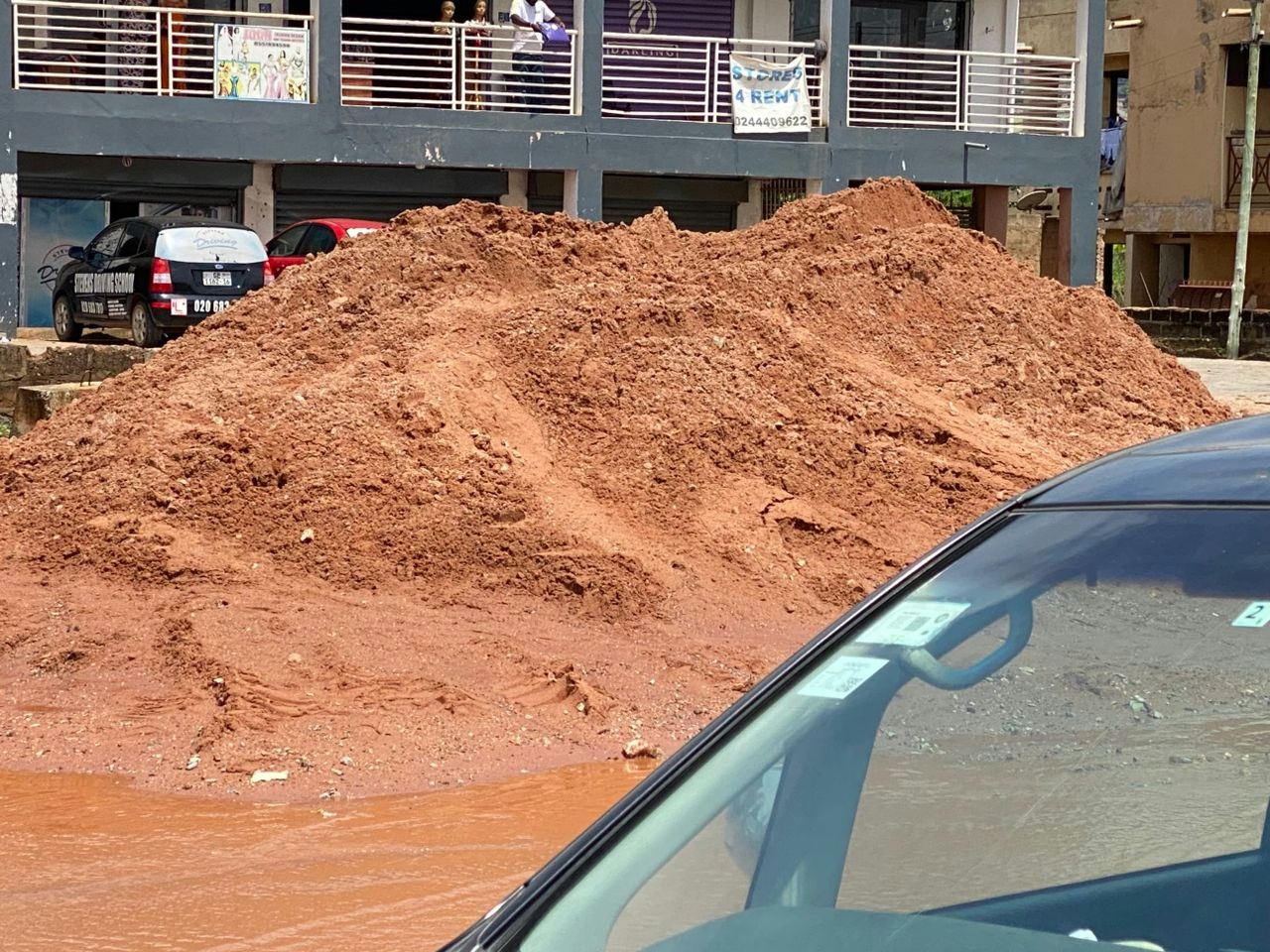
The Kasoa–Mallam corridor remains one of Ghana’s most heavily used transport routes, serving commuters travelling between Greater Accra and the Central Region. Disruptions along the highway can affect workers, businesses, public transport services and freight movement, highlighting the importance of sustained road maintenance and effective drainage management.
What motorists need to know
Expect significantly longer journey times along the Kasoa–Old Barrier corridor.
Drive carefully through areas affected by silt, potholes and temporary road repairs.
Allow additional travel time, especially during morning and evening peak periods.
Follow instructions from traffic management personnel where deployed.
Monitor official traffic advisories before travelling whenever possible.
Key Facts
Traffic impact
Heavy congestion affected the Kasoa–Old Barrier corridor on Friday.
Main causes
Silt accumulation, deteriorating road conditions and crash debris contributed to the delays.
Motorists affected
Large numbers of commuters experienced prolonged travel times throughout the day.
Current response
Authorities have begun clearing debris and carrying out temporary road repairs.
Long-term outlook
No timetable has yet been announced for permanent rehabilitation works.
What this means for commuters
The disruption demonstrates how recurring drainage failures, road deterioration and increasing traffic volumes continue to affect one of Ghana’s busiest commuter corridors.
Until more permanent engineering solutions are implemented, motorists travelling between Kasoa and Accra should expect periodic congestion, particularly during periods of heavy rainfall when drainage systems become overwhelmed.
Nukunya Insight: While temporary repairs may ease immediate congestion, transport experts generally note that lasting improvements depend on comprehensive drainage upgrades, road rehabilitation and proactive maintenance rather than repeated emergency interventions.

Related posts:
 Second Victim Dies After Ho Bankoe Truck Crash as Safety Concerns Return to Galenkui Hill
  Police Question Truck Driver After Multi-Vehicle Crash on Accra Ring Road
  One Dead, Children Feared Trapped After Adenta Building Collapse
  Three Arrested in Police Raid on Illegal Mining Site Along Ghana Water Pipeline
  UCC Student Innocentia Avinu Found Dead as Police Continue Investigation