Bossman Asare Resigns as Ghana’s Electoral Commission Begins Leadership Transition


Follow Nukunya
Get the latest breaking news and updates from Nukunya.
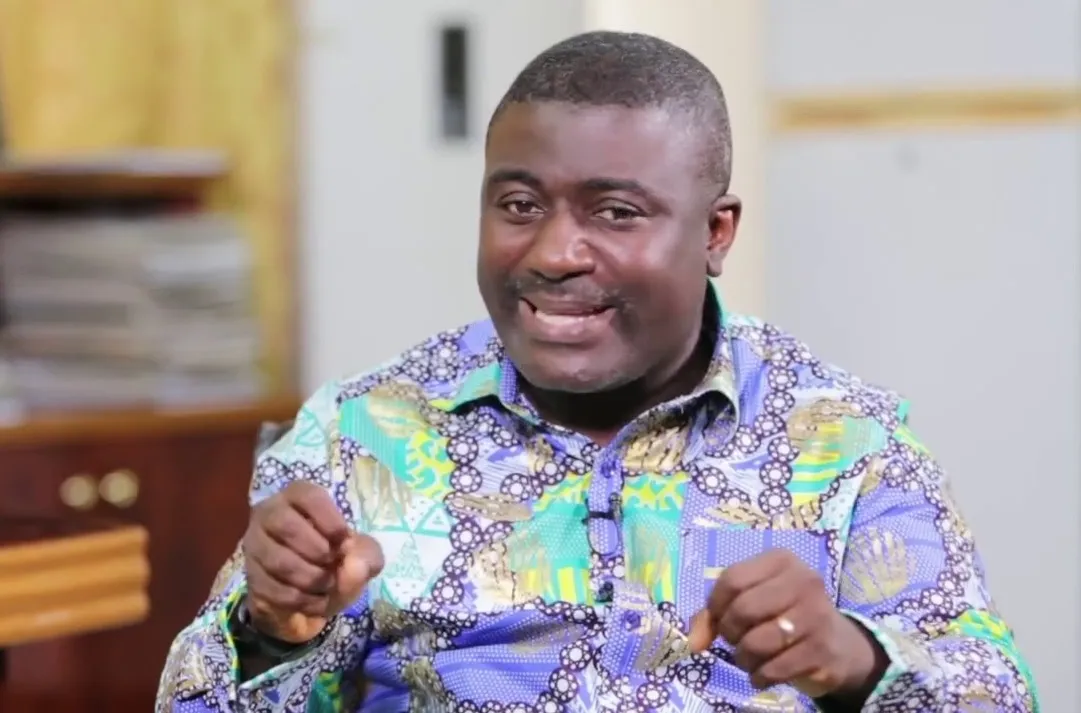
Deputy Electoral Commission Chairperson Dr Bossman Asare will leave office on 31 July after submitting his resignation to President John Mahama. His departure, alongside the retirement of Deputy Chairperson Samuel Tettey, creates two senior vacancies at one of Ghana’s most important constitutional institutions.
ACCRA, Ghana – Ghana’s Electoral Commission is preparing for one of its most significant leadership transitions in recent years after Deputy Chairperson Dr Bossman Eric Asare formally submitted his resignation, becoming the second senior official to leave the institution within weeks.
Government spokesperson Felix Kwakye Ofosu confirmed on Monday that Dr Asare had written to President John Dramani Mahama indicating his intention to resign from office with effect from 31 July 2026. According to the government, Dr Asare’s decision was driven by his desire to return to academia and continue his professional career at the University of Ghana.
His departure follows the retirement of Samuel Tettey, the Electoral Commission’s Deputy Chairperson responsible for Operations, creating two vacancies at the highest levels of the commission’s management structure.
Why the Departures Matter
The significance of the developments extends beyond personnel changes. The Electoral Commission is responsible for organising and supervising public elections and referendums, maintaining the national voters’ register and overseeing key aspects of Ghana‘s electoral process.
The two deputy chairpersons play central roles in the institution’s day-to-day operations. The Deputy Chairperson for Corporate Services oversees administration, finance, human resources and institutional governance, while the Deputy Chairperson for Operations is responsible for election planning, voter registration exercises, logistics and operational readiness.
Their simultaneous departure means new leadership will be required to help steer the commission through future electoral activities, including local government elections, voter registration programmes and preparations for future national polls. For a constitutional body whose credibility is fundamental to democratic governance, leadership continuity remains an important consideration.
Return to Academic Life
Speaking at the Government Accountability Series in Accra, Felix Kwakye Ofosu said Dr Asare had expressed appreciation to the President and the people of Ghana for the opportunity to serve at the Electoral Commission. According to the government spokesperson, Dr Asare informed the President that he wished to resume his academic career at the University of Ghana.
Dr Asare, a political scientist, joined the Electoral Commission in 2018 following his appointment by former President Nana Addo Dankwa Akufo-Addo. Throughout his tenure, he became one of the commission’s most visible public officials, regularly representing the institution during election briefings, stakeholder consultations and voter education engagements.
Leadership Timeline
2018: Dr Bossman Asare appointed Deputy Chairperson of the Electoral Commission.
2020–2024: Played a prominent public role during major electoral activities and national elections.
2026: Samuel Tettey retires from his position as Deputy Chairperson in charge of Operations.
15 June 2026: Government confirms Dr Asare’s resignation.
31 July 2026: Dr Asare’s resignation takes effect.
Constitutional Process Already Underway
Government officials say efforts to fill the vacancies have already begun. Kwakye Ofosu disclosed that a nominee to replace Samuel Tettey has already been forwarded to the Council of State for consideration. Once the constitutional consultation process is completed, an official announcement will be made.
Under Article 70 of Ghana’s Constitution, members of the Electoral Commission are appointed by the President acting in consultation with the Council of State. The constitutional requirement is intended to reinforce the independence and legitimacy of the commission by ensuring that appointments undergo a formal review process before confirmation.
Government officials indicated that a separate process would subsequently be initiated to fill the vacancy created by Dr Asare’s departure.
What Happens Next?
The immediate challenge for the Electoral Commission is ensuring continuity while the appointment process unfolds. The commission’s existing structures are expected to continue operating normally, but attention will increasingly turn to who will be chosen to occupy the two influential deputy chairperson positions.
Political parties, governance advocates and election observers are likely to monitor the appointments closely given the commission’s role in safeguarding public confidence in Ghana’s electoral system. Although no timeline has been announced for the appointments beyond the ongoing Council of State consultations, government officials have indicated that the constitutional process is already in motion.
A Key Moment for Electoral Governance
Leadership transitions within electoral management bodies are often closely watched because they occur at the intersection of governance, public trust and democratic accountability. Ghana’s Electoral Commission has played a central role in overseeing multiple peaceful transfers of power and remains one of the country’s most scrutinised public institutions.
For that reason, the departure of both deputy chairpersons within a relatively short period represents a noteworthy moment in the commission’s evolution. While the reasons cited for the departures are administrative and personal rather than political, the appointments that follow will shape the institution’s leadership structure for years to come. For now, attention remains focused on the constitutional process that will determine who helps lead Ghana’s electoral system into its next chapter.
Related posts:
 Mahama Calls for Renewed Pan-African Unity and Reparations Agenda During UK Visit
  Mahama Bans Ministers, State CEOs From Accepting Private Awards Without Approval
  Former MASLOC CEO Sedina Tamakloe-Attionu Returned to Ghana to Begin 10-Year Prison Sentence After US Extradition
  Ghana Parliament Passes Human Sexual Rights and Family Values Bill
  Mahama Begins Belarus Visit as Ghana Pursues Agriculture and Investment Deals