
UK Gives Apple and Google Three Months to Strengthen Child Safety Controls on Devices

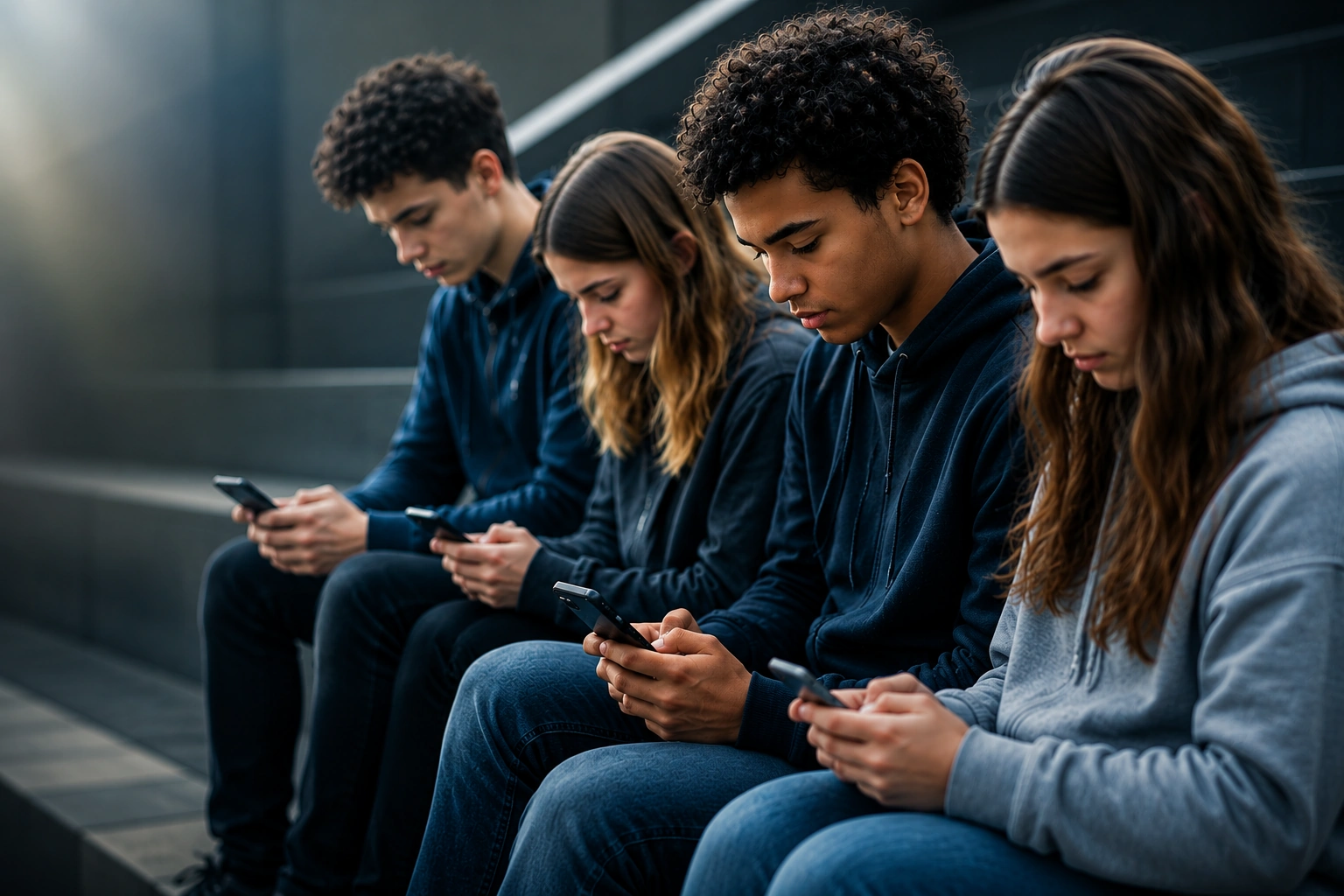

The UK government has told major technology firms, including Apple and Google, to introduce device-level protections that stop children taking, sharing or viewing explicit images, warning that legislation could follow if companies fail to act within three months.
LONDON, United Kingdom — The UK government has given major technology companies, including Apple and Google, three months to introduce stronger safeguards preventing children from taking, sharing or viewing explicit images on smartphones and tablets.
Prime Minister Keir Starmer announced the plan at London Tech Week, saying firms should activate existing safety features or build new tools capable of blocking explicit content for under-18s. The government says legislation could follow if companies do not act voluntarily. The proposed protections would apply to UK devices, including both existing and newly sold smartphones and tablets. Ministers say adults would still be able to access legal adult content through age-verification processes.
What the Government Wants
Under the proposals, technology firms would be expected to introduce device-level controls that detect and block explicit images for children across smartphones and tablets.
The government says the protections should work across apps and services, rather than only within individual messaging platforms. If companies fail to comply, ministers say they could introduce legislation requiring firms to activate the technology, with possible fines and, as a last resort, criminal liability for senior executives.
Starmer said technology companies had the capability to respond.
“This is not an impossible challenge,” he said at London Tech Week.
Why Ministers Say Action Is Needed
The government says the measures are intended to disrupt online grooming, sextortion and the circulation of child sexual abuse material. According to official figures cited by the government, 91% of online child sexual abuse reports recorded in 2024 involved self-generated content from children themselves. Ministers also said the average child now views pornography by the age of 13. The National Crime Agency receives around 1,700 child sexual abuse referrals each week, according to reporting cited by The Guardian.
How the Technology Could Work
Apple and Google already offer some safety tools for younger users. Apple has introduced age checks for some UK services and provides warnings when nudity is detected in images sent or received by children using certain Apple services. Google also offers settings that blur sensitive images and warn supervised users before they view or share such content. However, ministers argue current protections are inconsistent and do not cover enough of the device environment. The government wants protections switched on by default for children and designed to work more widely across devices.
Privacy Concerns
The proposals have raised concerns among privacy and civil-liberties campaigners. Critics warn that wider device-level scanning, age checks or content-monitoring systems could expand online surveillance or weaken anonymity. Big Brother Watch and Open Rights Group have both raised concerns about the privacy implications of the approach.
The government says the protections can be designed without collecting personal data and without compromising adults’ access to legal content. Google said it was committed to protecting children online and was working with UK partners on privacy-preserving solutions. Apple had not publicly commented on the latest proposals at the time of reporting.
Wider Online Safety Debate
The announcement comes as the UK considers wider restrictions on children’s access to social media. Ministers are reviewing responses to a consultation on children’s social media use, while other countries, including Australia, France and Denmark, have also considered or introduced tougher rules on children’s access to digital platforms. The policy therefore sits at the centre of a wider debate: how governments can protect children online without creating intrusive systems that affect privacy, free expression and digital access. For technology companies, the next three months will test whether voluntary safety measures can satisfy ministers or whether the UK moves towards a more forceful regulatory model.
Why This Matters
The UK proposal could become one of the most significant tests of device-level child protection in the world. If implemented, it may influence how other governments regulate smartphones, social media and children’s online safety.