
UK rent prices rise as housing supply remains constrained

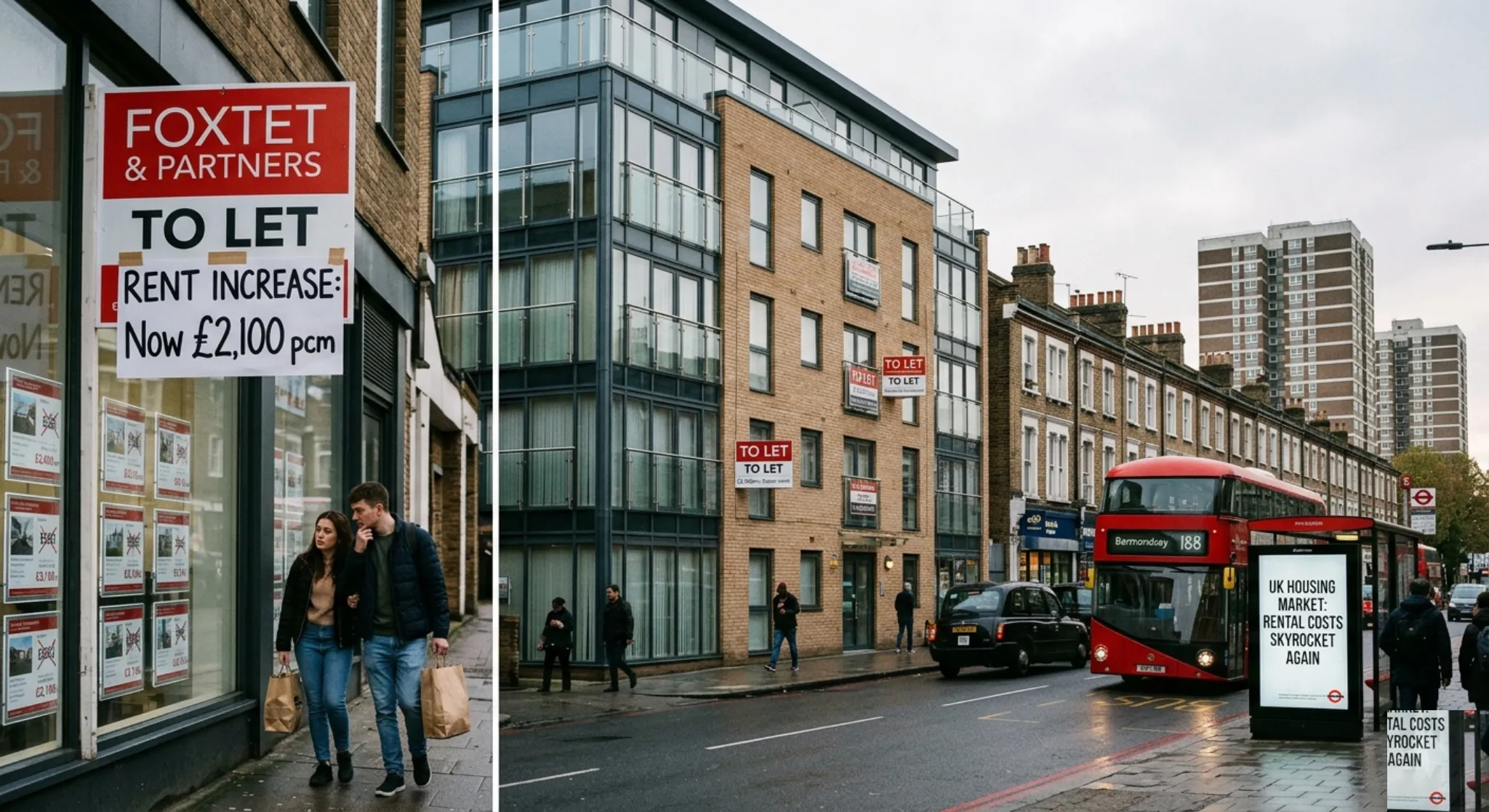

Private rents across the United Kingdom continue to increase, with supply shortages and demand pressures affecting households, including Ghanaian tenants in major cities.
LONDON, United Kingdom — 5 May 2026
UK rent prices rise across much of the country as limited housing supply continues to drive competition among tenants, pushing costs higher in both urban and regional markets. The increase is relevant for many households, including Ghanaian renters in cities such as London, Birmingham and Manchester, where accommodation costs now account for a growing share of monthly income. Rising rents are affecting affordability, savings and long-term housing stability. Latest data from the Office for National Statistics shows private rental prices have continued to climb year on year, with London experiencing some of the highest increases.
Why UK rent prices rise amid limited housing supply
A shortage of available rental properties remains the primary factor behind the upward pressure on rents. Population growth, reduced home ownership among younger people, and continued migration flows have sustained demand, even as overall net migration begins to decline. Landlords have also adjusted prices to reflect higher mortgage costs following interest rate increases set by the Bank of England. Higher borrowing costs have fed into rental pricing, particularly for newly listed properties.
Housing analysts say the imbalance between supply and demand has created a competitive market where tenants often face multiple bids for a single property. A property market analyst said structural supply constraints, rather than short-term demand fluctuations, are driving rental inflation.
What does the data show?
Figures from the ONS indicate that average private rents have risen steadily over the past year, with some regions seeing faster increases than others. London remains the most expensive rental market, but cities in the North of England and the Midlands have also recorded notable increases. A report by the Royal Institution of Chartered Surveyors highlights that new landlord instructions remain low, meaning fewer properties are entering the rental market. At the same time, tenant demand has remained strong, contributing to sustained upward pressure on prices.
How are tenants affected?
For renters, the impact is immediate. A tenant living in East London said rent increases have forced difficult financial decisions. “Most of my income goes to rent now, so I have to cut back on other expenses,” the tenant said. Rising housing costs are also affecting savings and the ability to plan for home ownership. Younger renters, including international students and early-career workers, particularly feel the impact.
What are the policy responses?
The UK government has acknowledged the challenges in the housing market and has outlined plans to increase housing supply over the long term. However, critics argue that current measures are not sufficient to address immediate affordability concerns. A housing policy expert said that we may need more targeted intervention.
“Without a significant increase in housing supply, rental pressures are likely to persist,” the expert said. Tenant advocacy groups have called for stronger protections, including limits on rent increases and improved security of tenure.
What happens next?
Housing market trends will depend on several factors, including interest rates, construction activity and broader economic conditions. For communities in the UK, rising rents may influence decisions about where to live, work and study. While long-term solutions focus on increasing supply, the short-term outlook suggests continued pressure on rental prices. The key question for policymakers is whether housing supply can keep pace with demand in a market that remains structurally constrained.
Sources: Office for National Statistics · Bank of England · Royal Institution of Chartered Surveyors
. Additional reporting by Nukunya News Desk.
Related posts:
 UK net migration falls as visa applications decline sharply
  Bank of England holds rates at 3.75% and warns Iran war could push UK inflation higher
  UK Raises Terror Threat Level to ‘Severe’ After Golders Green Terror Attack
  Ghana Pushes Border Cooperation as Sahel Insecurity Raises Regional Security Risks
  Appeal Court reverses GN Savings licence revocation in major BoG setback