
German-African Business Summit in Accra: Turning Investment Talks Into Local Industry
As the German-African Business Summit concludes in Accra on 25 November, Ghana faces a practical test: translating business partnerships into productive investment, local suppliers and skilled jobs.

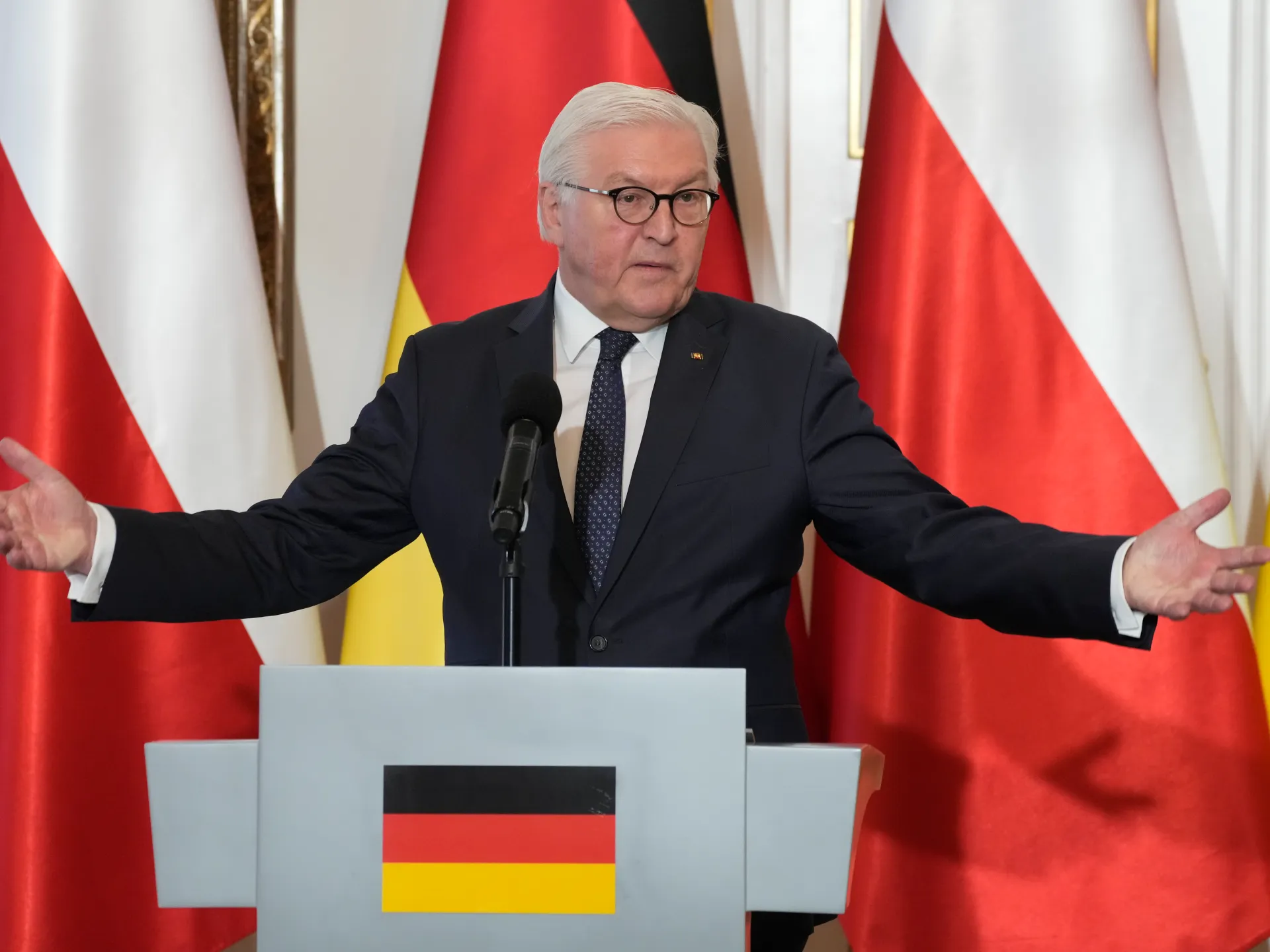

As the German-African Business Summit reaches its final scheduled day in Accra, the measure of success will be what businesses can build after the conference, rather than the number of meetings held.
Ghana is hosting the sixth German-African Business Summit from 23 to 25 November 2026, bringing together businesses and policymakers to explore commercial partnerships between Germany and African economies.
The summit organisers, the Sub-Saharan Africa Initiative of German Business and the Delegation of German Industry and Commerce in Ghana, advertised an expected attendance of more than 500 people and over 40 speakers. These are programme expectations, not independently confirmed attendance figures.
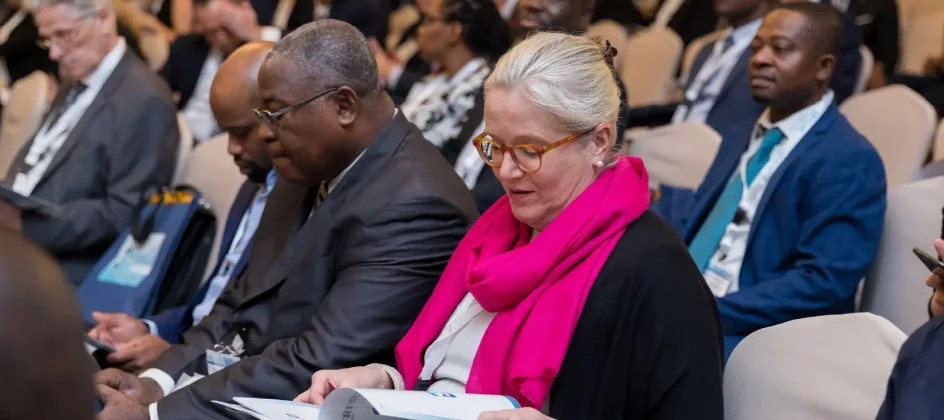
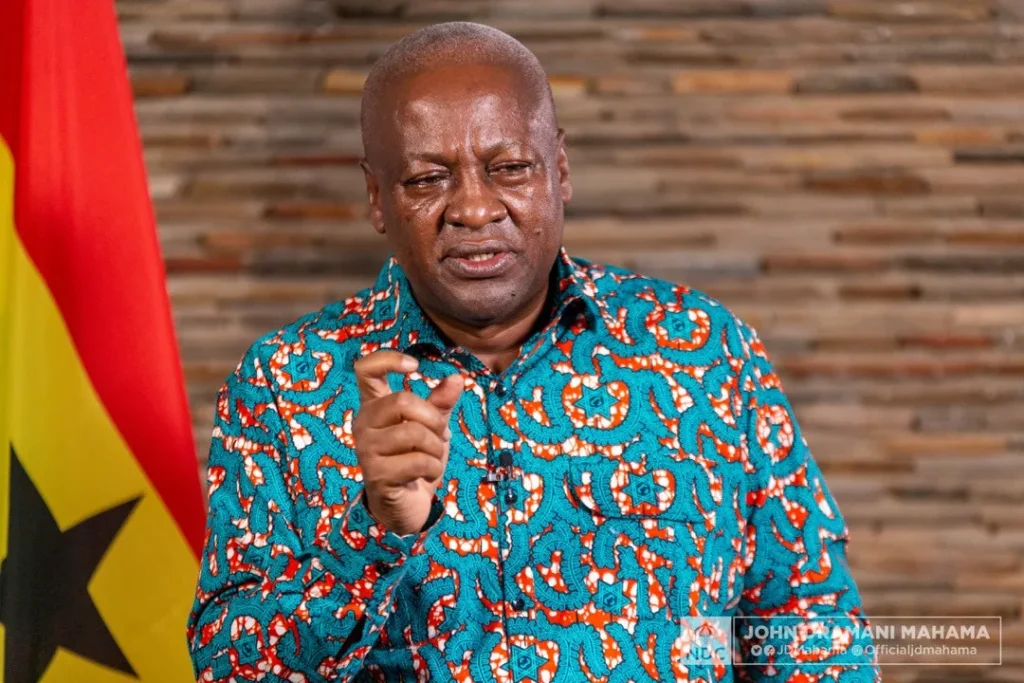
Speaking on Tuesday, President John Dramani Mahama called for German investment to support African industrial development, while German President Frank-Walter Steinmeier urged progress on reducing trade barriers.
From commercial contacts to productive investment
For Ghana, the distinction between attracting investors and building industrial capacity is important. A foreign company can enter a market through distribution alone, or it can establish production, develop domestic suppliers and train workers. These models have different implications for employment, technology transfer and the value retained locally.
The German chamber of commerce in Giessen-Friedberg lists a business networking session for 25 November focused on domestic value creation and sustainable supply chains. The wider programme covers digitalisation, logistics, finance and regional trade.
Why financing matters
Trade finance is among the subjects scheduled for Wednesday, alongside automotive development and regulatory cooperation.
For smaller Ghanaian businesses, securing an international customer is only one part of exporting. Financing inventory, meeting technical standards and managing the interval between delivery and payment can determine whether a contract is commercially viable.
Partnerships that address these constraints could help local firms participate in larger supply chains. That potential should not be confused with financing already committed or contracts already signed.
Four measures of progress after Accra
Nukunya identifies four practical indicators for assessing the summit’s longer-term impact:
- Capital deployed: investment actually disbursed rather than announced.
- Local procurement: contracts awarded to domestic suppliers and their value.
- Skills and employment: sustained jobs and documented technical training.
- Market access: new export contracts and demonstrable reductions in barriers to regional commerce.
These indicators are proposed measures of accountability, not reported summit outcomes. The evidence inspected for this article does not establish an aggregate value of signed investment agreements.
As the conference concludes, the next test is whether businesses and public institutions can turn the relationships established in Accra into projects with identifiable financing, delivery dates and measurable economic benefits.