Ghana’s UK Diaspora Investment Plan Raises Questions About Funding and Oversight
Ghana's London mission and an Okyeman leader plan to mobilise diaspora investment and expertise. What has been agreed, and what safeguards are needed?

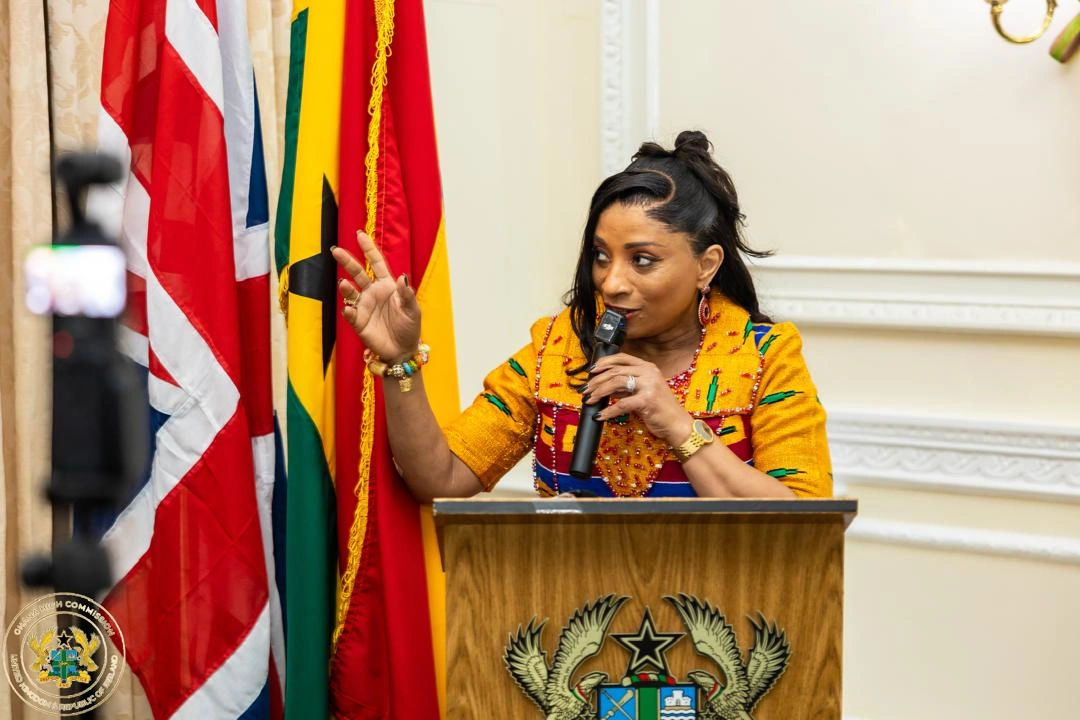

Ghana’s High Commission in London and an Okyeman traditional leader have agreed to deepen cooperation on diaspora-led development. The proposal could open opportunities for skills transfer and investment, but its governance, funding and delivery arrangements remain to be demonstrated.
London — Ghana’s High Commission in the United Kingdom and Okyeman’s Amanonehene have agreed to strengthen cooperation aimed at connecting Ghanaians abroad with development projects at home, moving the conversation beyond remittances towards investment, professional expertise and longer-term partnerships.
Otuapem Oduduobiribi Benkyi met Ghana’s High Commissioner to the UK and Ireland, Sabah Zita Benson, in London on 12 November. The reported areas of interest include education, employment, women and young people, health, environmental sustainability, trade and investment.
For Ghanaians living in Britain, the idea may sound familiar: many already support relatives, build homes, fund education and contribute to local projects. The proposed arrangement is different in ambition, however, because it seeks to coordinate expertise and capital through institutions rather than relying entirely on individual transfers.

Ghana’s diaspora partnership: opportunity or investment scheme?
Explore what has been announced, how Ghanaians abroad could contribute and what safeguards should be in place before money changes hands.
Announcement versus implementation
Closer collaboration
Published reporting describes closer cooperation between Ghana’s diplomatic mission in the UK and the Okyeman Amanonehene.
Operational investment scheme
No verified investment fund, project portfolio, public application portal or binding financial commitment has been established by the evidence reviewed.
The announcement may provide a route for future initiatives. It should not be treated as proof that an investment programme is already operating.
How could the diaspora contribute?
Choose a contribution type to explore potential benefits, requirements and risks. These are illustrative scenarios, not confirmed partnership projects.
Professional skills transfer
A Ghanaian engineer abroad might help assess infrastructure designs, while a healthcare professional could contribute to training.
What would be needed: Local partners, defined responsibilities, appropriate professional safeguards and a sustainable delivery plan.
What to verify: Whether an actual project exists, who supervises it and how results will be measured.
How should success be measured?
These five measures are proposed by Nukunya News. They are not targets announced by the partnership.
Investment and funding
Publish funds pledged, independently verified, received and actually disbursed. Distinguish charitable contributions from commercial investment.
Skills transfer
Report training delivered, participants supported and evidence that local institutions retain useful capability.
Employment
Disclose jobs created and retained, with consistent definitions and credible supporting records.
Education
Measure participation, completion and learning outcomes rather than attendance alone.
Governance
Publish accounts, conflict-of-interest arrangements, procurement controls and accessible complaints procedures.
Before you send money or personal details
Use this interactive checklist to assess a proposed opportunity. It is a screening aid, not a certification that an organisation is legitimate.
Complete the checks before considering any transfer of funds or sensitive information.
Completing every check does not guarantee legitimacy, investment safety or financial returns. Do not rely on unsolicited payment instructions or claims of official endorsement.
Five questions that need answers
Will a written memorandum be published?
A memorandum could clarify the partnership’s purpose, scope, governance and responsibilities.
Who would receive and manage contributions?
The legal identity, financial responsibilities and oversight arrangements of any receiving organisation should be disclosed.
How would projects be selected?
Project selection should reflect demonstrated local needs and meaningful participation by intended beneficiaries.
Will independent financial reporting be available?
Public accounts and progress reporting would help distinguish announced commitments from actual delivery.
How can UK-based Ghanaians participate safely?
Organisers should provide verified contact channels and clear information about participation, safeguarding and financial risks.
Related posts:
 Mahama Calls for Renewed Pan-African Unity and Reparations Agenda During UK Visit
 Ghana’s UK High Commissioner Calls on Diaspora to Drive Investment and Growth
 The majority leader urges Ken Ofori-Atta to return and account for Ghana’s debt
 Ghana’s youth jobs agency reaches 100,628 beneficiaries — but how many secure lasting work?
 Ghana’s $270m poultry deal: Can it reduce chicken imports and deliver 12,000 jobs?