Ghanaian Politics and Organized Crime: Busts Spark Outcry
Explore the intersection of Ghanaian Politics and Organized Crime following recent cocaine busts. Learn why the NPP is demanding dismissals of security heads.


Ghanaian Politics and Organized Crime Concerns
“The government may not be complicit, but the posturing of the government is problematic.”
— Kwasi Kwarteng, NPP Member
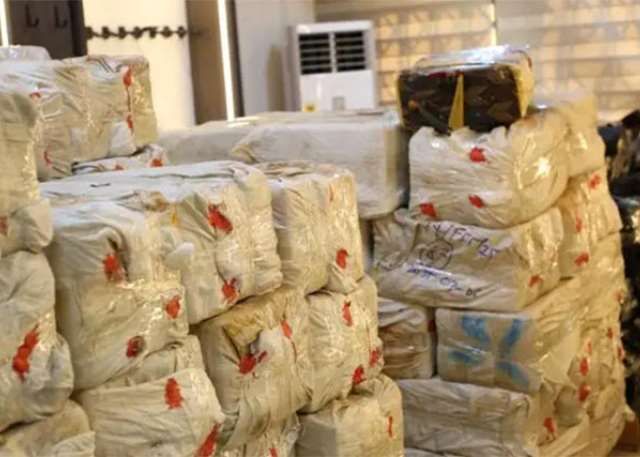
The intersection of Ghanaian Politics and Organized Crime has moved to the forefront of national discourse following a series of high-profile narcotics seizures at international ports. These incidents, where large quantities of cocaine were intercepted after originating from or passing through Ghanaian territory, have triggered intense scrutiny of the nation’s security apparatus. The recurring nature of these busts suggests a level of sophistication that goes beyond amateur smuggling, prompting observers and political figures to question the integrity of the state’s borders.
Kwasi Kwarteng, a prominent member of the New Patriotic Party (NPP), recently voiced significant concerns regarding these developments, stating that the current landscape of drug trafficking “looks like organized crime.” This assessment reflects a growing unease within the political class that Ghana may be transitioning from a transit point into a hub for entrenched criminal networks. While the nation prides itself on stability and Ghana’s non-aligned foreign policy, these criminal activities threaten to undermine diplomatic relations and the country’s standing in the global community.
The political pressure on the current administration has intensified as the opposition and internal critics alike demand a clearer explanation for how these shipments evade domestic detection. The lack of a comprehensive public strategy to combat this trend has fueled perceptions that the state may be struggling to contain well-funded syndicates that operate across borders, potentially compromising public officials in the process.
Organized Crime Concerns in Ghana
The Failure of Port Surveillance and Scanners
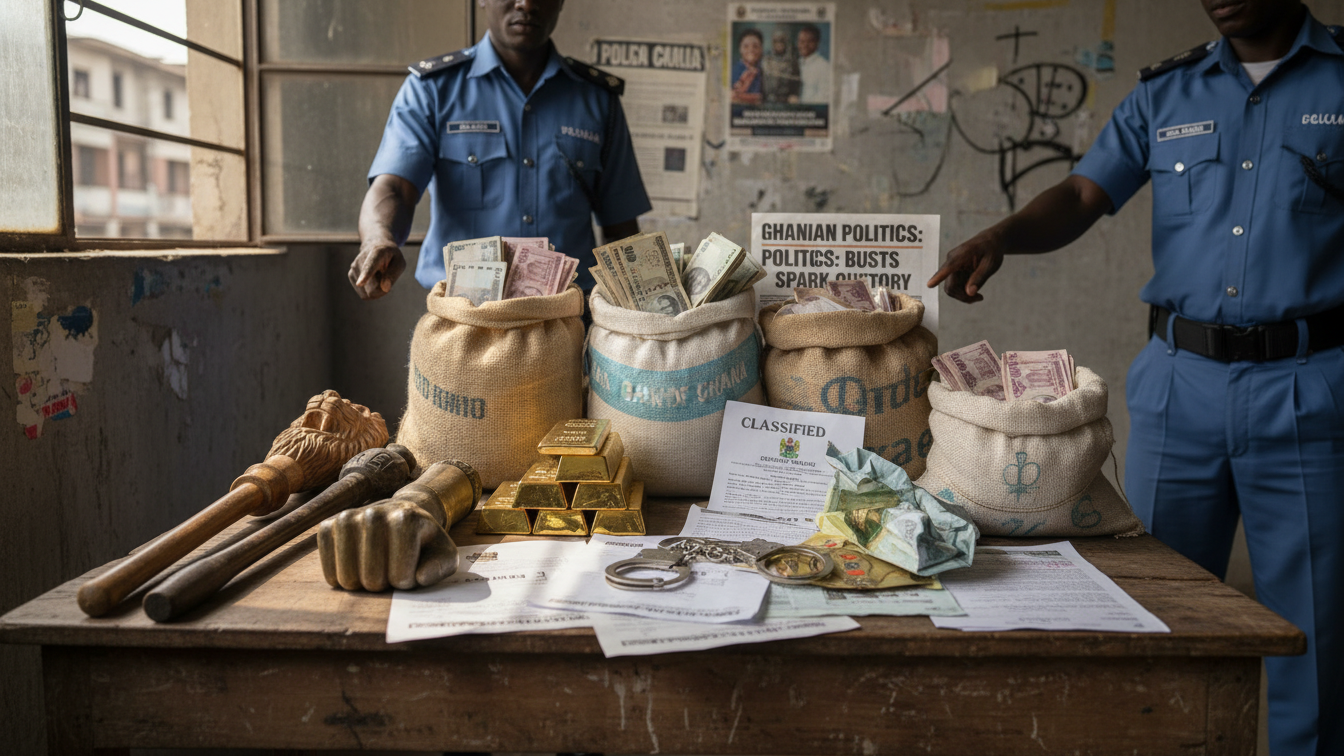
A central point of contention in the recent Ghana cocaine busts is the apparent failure of technical surveillance at the nation’s primary exit points. Ghana has invested heavily in modern scanning technology at both the Tema Harbour and the Kotoka International Airport, yet these systems have repeatedly failed to detect significant quantities of narcotics hidden within commercial exports. Reports indicate that while scanners are capable of identifying dense materials like cans or machinery parts, they have consistently missed the organic signatures of cocaine and other prohibited substances.
This technical disparity has raised suspicions of either catastrophic institutional incompetence or active internal sabotage. Critics argue that the Ghana Port security failures cannot be attributed to hardware limitations alone. Instead, there is a growing suspicion that sophisticated criminal tactics—such as the use of lead lining or chemical masking—are being paired with human lapses. If security personnel are deliberately bypassing protocols or ignoring scanner alerts, the infrastructure meant to protect the state becomes little more than a facade for illegal transit.
Suspicion is further heightened by the fact that these shipments are routinely intercepted by foreign customs agencies in Europe and North America, who utilize similar technology but achieve drastically different results. This suggests that the Narcotics Control Commission Ghana (NACOC) and other relevant bodies may be facing a systemic crisis of oversight that allows organized crime syndicates to exploit gaps in the surveillance chain.
Demands for Accountability in Port Security
In response to the perceived negligence, political figures and civil society groups have begun calling for a complete overhaul of the leadership within the security sector. The demand for accountability is not merely about identifying individual mistakes but about restoring the credibility of the state’s enforcement agencies. The delay in Parliament committee reports regarding previous security breaches has only added to the frustration, leading to calls for immediate executive action.
The following leadership figures and entities are currently under intense pressure to resign or face dismissal to ensure institutional integrity:
- Narcotics Control Commission (NACOC): For the failure to implement preemptive intelligence-gathering and effective screening protocols.
- Ghana Ports and Harbours Authority (GPHA): For lapses in container monitoring and the apparent ease with which illegal consignments are loaded onto vessels.
- Ghana Airports Company Limited (GACL): For security gaps at air cargo terminals that have allowed illicit substances to bypass standard checks.
- National Security Secretariat: For a broader failure in coordinating counter-narcotics intelligence and failing to dismantle high-level syndicates.
- Customs Division of the Ghana Revenue Authority: For the failure of scanning personnel to flag anomalies in shipments that were later found to contain narcotics.
Implications for Ordinary Citizens in Ghana
The rising link between Ghana and international drug syndicates often leads to increased scrutiny of Ghanaian travelers at international airports, potential blacklisting of certain exports, and a decrease in global investor confidence. Furthermore, the infiltration of ‘drug money’ into the local economy can distort markets and empower criminal elements within communities.
While the headlines focus on organized crime Ghana government interactions, the consequences of these busts trickle down to the average citizen. When a country gains a reputation as a narcotics hub, its citizens often face increased scrutiny when traveling abroad. Ghanaian passport holders may experience more frequent and invasive searches at international airports, leading to delays, profiling, and a general erosion of the prestige associated with Ghanaian citizenship.
Furthermore, the economic stability of the nation is at risk. Large-scale organized crime operations often involve money laundering, which can distort local markets and inflate the cost of living. When illicit funds enter the legitimate economy, they can create artificial asset bubbles, particularly in real estate, making basic necessities less affordable for the working class. Additionally, the potential for international sanctions or a reduction in foreign direct investment due to security concerns could weaken the Cedi and stifle job creation, directly impacting the livelihoods of millions who have no connection to the drug trade.
Government Response and Posturing Issues
The government’s handling of these incidents has been characterized by many as reactive rather than proactive. Following the latest seizures, the communication from official channels has often been defensive, focusing on the difficulty of detecting concealed drugs rather than outlining a robust plan for reform. Critics, including Kwasi Kwarteng, have described this “posturing” as problematic, suggesting that the administration is more concerned with damage control than with addressing the root causes of the Ghanaian Politics and Organized Crime nexus.
There is a perceived lack of transparency regarding the investigations into these busts. When shipments are intercepted abroad, there is rarely a public follow-up on the domestic accomplices who facilitated the export. This silence creates a vacuum of information that is often filled by speculation and political finger-pointing. For a government to effectively combat organized crime, it must demonstrate a willingness to prosecute those within its own ranks or agencies who may be facilitating these illicit trades.
Conclusion: The Path Forward for Ghana’s Security
The recurring narcotics scandals represent a pivotal moment for Ghana’s security architecture. To protect its international reputation and ensure domestic stability, the state must move beyond rhetorical assurances and implement deep, systemic reforms. This includes upgrading scanning technology, enhancing the vetting process for port personnel, and fostering greater cooperation with international anti-narcotics agencies. Only through a transparent and aggressive stance against organized crime can Ghana reaffirm its commitment to the rule of law and safeguard its future in the global arena.