
South Africa’s World Cup Defeat Sparks Debate Over Migration and African Solidarity
South Africa's World Cup defeat to Mexico sparked a broader debate across Africa about migration, xenophobia and the meaning of continental solidarity.

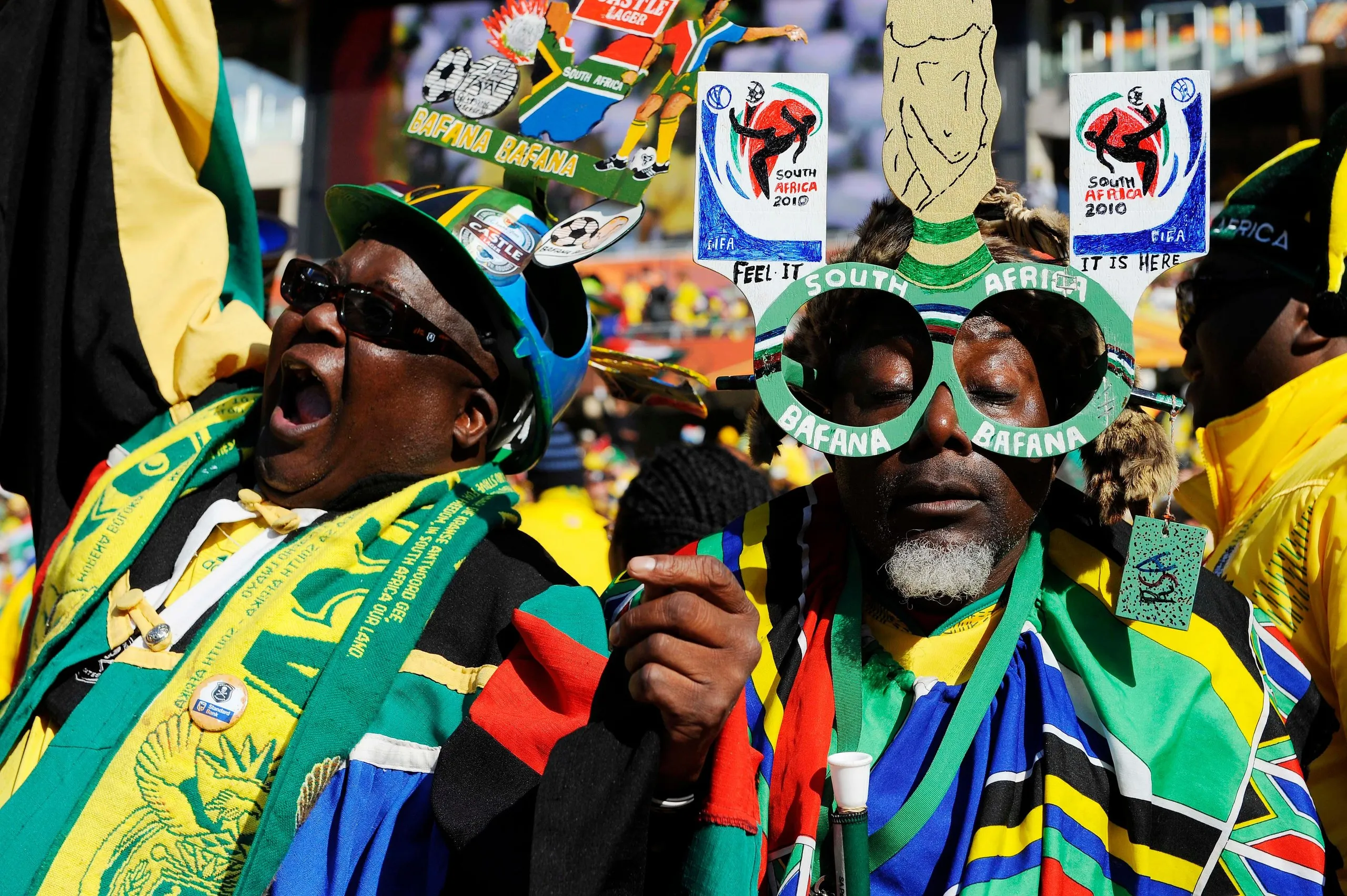

South Africa’s opening defeat at the 2026 FIFA World Cup has triggered a wider debate across Africa about migration, xenophobia and continental solidarity, after some football fans openly backed Mexico and used social media to criticise South Africa’s treatment of migrants from elsewhere on the continent. The reaction has highlighted how football is increasingly becoming a platform for broader social and political discussions
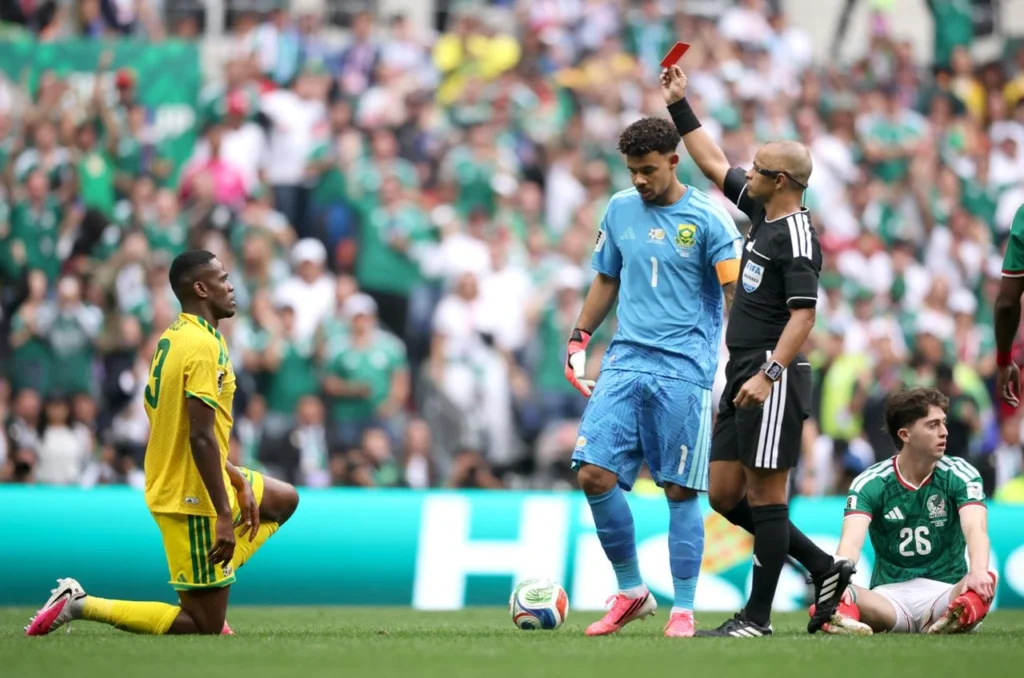
JOHANNESBURG / ACCRA – South Africa’s 2-0 defeat to Mexico in their opening match of the 2026 FIFA World Cup has sparked a continent-wide debate that extends far beyond football. In the hours following Bafana Bafana’s loss to the tournament co-hosts, social media platforms were flooded with memes, commentary and reactions from African users. While some messages focused on the result itself, many others linked support for Mexico to concerns about xenophobia, migration and the treatment of African migrants living in South Africa.
The reaction marked a departure from the traditional sense of continental solidarity often seen during major international tournaments, where supporters from across Africa frequently rally behind fellow African nations competing on the global stage. However, the response was far from uniform.
While some users celebrated Mexico’s victory, others defended South Africa and argued that football should not be used to judge an entire country. The differing reactions revealed a continent wrestling with complex questions about identity, belonging and what African unity means in practice.
Why Some Fans Supported Mexico
According to BBC reporting, some supporters justified their backing of Mexico by pointing to recent tensions surrounding migration in South Africa. Social media users referenced reports of anti-migrant sentiment, intimidation and xenophobic violence directed at foreign nationals living in the country.
Some online posts suggested South Africa should not expect automatic support from other African countries while concerns over the treatment of migrants remain unresolved. Others adopted Mexican flags and imagery for the day, framing the match as “Mexico versus xenophobia”.
Daniel Kaniki, a Congolese football supporter interviewed by the BBC at a fan park in Atlanta, said his support for Mexico reflected broader frustrations.
“Africa is like one country, and if one is chasing others, we are not a family any more.”
The comments reflected concerns that have intensified in recent weeks as migration has become an increasingly prominent issue in South African public debate.
Not All Africans Turned Against South Africa
The online narrative was not one-sided. Many Africans continued to support South Africa despite concerns over migration and xenophobia. A Ghanaian supporter interviewed by the BBC said he was backing Bafana Bafana because he remained “a proud African” and believed anti-immigrant sentiment in South Africa should not be used to define an entire nation.
In South Sudan, supporters gathering at public viewing centres in Juba also backed South Africa, citing historical ties and South Africa’s contribution to African liberation struggles. One supporter told the BBC that African countries should stand behind South Africa because it was representing the continent on the world’s biggest football stage. These contrasting views demonstrate that the debate is not a simple divide between South Africa and the rest of Africa. Instead, it reflects differing opinions about how sport, politics and social issues should intersect.
Migration Tensions Provide the Backdrop
The controversy comes at a sensitive moment for South Africa.
Recent weeks have seen growing tensions over migration, with anti-migrant groups staging demonstrations and demanding tougher action against undocumented foreign nationals. Reports of intimidation and violence against migrants have attracted attention across the continent. President Cyril Ramaphosa has warned citizens against taking the law into their own hands, stating that only authorised officials can enforce immigration laws. At the same time, he acknowledged that public concerns about migration deserve to be heard and addressed.
The issue has already produced regional consequences.
Nigeria recently became the latest African country to repatriate some of its citizens from South Africa, while Ghana, Zimbabwe and Malawi have also taken steps to assist nationals amid concerns about anti-migrant hostility. The broader context is important. Following the end of apartheid in 1994, South Africa became a destination for migrants from across Africa seeking economic opportunity. Today, however, the country faces an unemployment rate exceeding 30%, a factor analysts say has contributed to rising tensions over migration and access to jobs.
A Difficult Start for Bafana Bafana
On the pitch, South Africa struggled against Mexico and suffered a 2-0 defeat, leaving Bafana Bafana with work to do if they are to progress beyond the group stage. The match also saw South Africa finish with nine men after two red cards. The South African government nevertheless praised the team’s effort, describing the players as having represented the country with determination, unity and pride despite the disappointing result.
Yet it was the reaction away from the stadium that generated the greatest discussion. What might normally have been remembered as a routine opening-match defeat instead became a focal point for a wider conversation about migration, identity and Africa’s relationship with itself.
Why This Story Matters
Football has long served as a unifying force across Africa. However, the reaction to South Africa’s defeat demonstrates that sporting events can also become arenas where broader social concerns are expressed.
The online debate did not simply expose frustration over football results. It revealed unresolved questions about migration, economic opportunity, xenophobia and continental solidarity. The fact that many Africans continued supporting South Africa while others backed Mexico highlights the complexity of those discussions. Rather than showing a rejection of South Africa, the episode illustrated a continent engaged in a difficult conversation about what African unity means in an era of economic pressure, migration challenges and growing social tensions.
As South Africa prepares for its remaining World Cup fixtures, the debate sparked by one football match may continue long after the final whistle.
ANALYSIS: What a Football Match Revealed About Modern Africa
The most significant aspect of this story is not South Africa’s defeat.
It is the way a football match became a proxy for a much larger discussion about migration, belonging and African identity. For decades, major tournaments have provided moments of continental solidarity. African supporters often adopt fellow African teams when their own countries are absent from competitions.
This World Cup reaction suggests that solidarity remains strong, but it is increasingly being tested by real-world social and economic pressures. Many Africans who supported Mexico were not necessarily celebrating South Africa’s defeat. Rather, they were expressing frustration over issues they believe have not received sufficient attention.
Equally important, many Africans continued to support South Africa despite those concerns, demonstrating that continental unity remains a powerful force. The lesson is not that Africa is divided.
The lesson is that football, like politics and culture, increasingly reflects the complexities of modern African life. The World Cup exposed those tensions, but it also revealed something else: Africans across the continent remain deeply invested in conversations about identity, fairness and the future of regional cooperation. In that sense, the story was never just about football. It was about Africa itself.
Related posts:
 Ghana Challenges South Africa Over Xenophobic Attacks, Rejects Crime Allegations Against Ghanaians
  Nigeria Begins Repatriation from South Africa as Anti-Migrant Tensions Spark Regional Concern
  Ghana Repatriates Nearly 300 Citizens From South Africa Amid Migrant Tensions
  Manhunt Under Way in South Africa After 12 Killed in Mass Shooting Near Johannesburg
  Mexico Beat South Africa 2-0 in World Cup Opener Marked by Three Red Cards