2027 Budget: Gov’t Unveils $10bn New Economy Plan
Discover the 2027 Budget highlights, including the $10bn New Economy plan and the 24-hour economy framework, with no new taxes for Ghanaians.

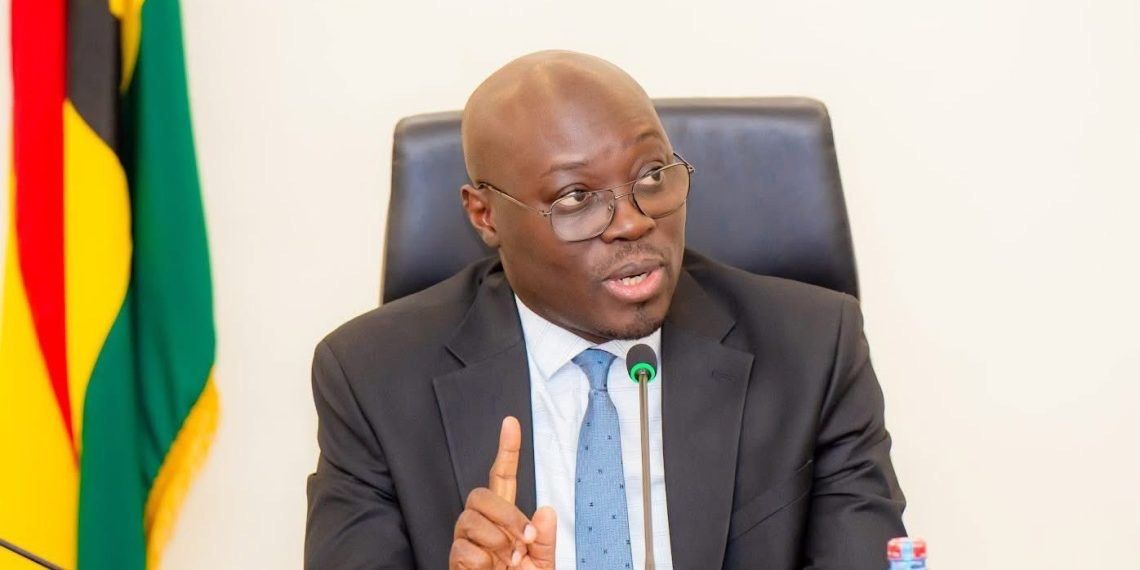

The government is set to unveil a dual-layered fiscal strategy that marks a significant pivot in Ghana economic transformation efforts. In an upcoming presentation to Parliament, Finance Minister Cassiel Ato Forson will introduce two distinct but interlinked policy documents: the official 2027 Budget and a comprehensive roadmap for the New Economy programme. This approach signals a move toward long-term structural planning alongside traditional annual fiscal management.
The 2027 Budget serves as the immediate financial blueprint for the upcoming fiscal year, while the New Economy document acts as a four-year strategic framework. Together, these documents are designed to stabilize the macroeconomy while laying the groundwork for a digitized, industrial, and modernized nation. By separating the broader economic vision from the annual expenditure plan, the government aims to provide clarity to investors and citizens alike regarding the country’s development trajectory through the end of the decade.
Budget 2027: A Fiscal Overview Without New Taxes: 2027 budget
The 2027 Budget deviates from previous years by providing economic data up to October, offering a more current snapshot of the nation’s financial health compared to the traditional September cutoff.
A primary highlight of the 2027 Budget is the government’s commitment to fiscal discipline without increasing the tax burden on citizens and businesses. Finance Minister Cassiel Ato Forson is expected to announce that there will be no new taxes introduced in this cycle. This decision comes as a relief to the private sector, which has navigated significant inflationary pressures in recent years. Instead of raising levies, the administration is focusing on widening the tax base and improving collection efficiencies through digitalization.
In a departure from previous years, the Ghana fiscal policy 2027 presentation will utilize more current data. While historical budgets often relied on data captured through September, the Ministry of Finance has prepared figures up to October. In certain sectors, the document will even provide projected end-of-year figures for 2025, offering a more transparent and real-time view of the nation’s fiscal health. This shift toward data-driven reporting is intended to boost confidence among international creditors and domestic stakeholders by providing a highly accurate snapshot of the current economic position.
The New Economy Programme: A $10 Billion Vision

The centerpiece of the government’s long-term strategy is the New Economy programme, an ambitious four-year plan designed to restructure the fundamental pillars of the Ghanaian marketplace. This initiative focuses on high-growth sectors, including technology, manufacturing, and sustainable energy. A key component of this vision involves massive investments in infrastructure and rail developments to lower the cost of logistics and improve the movement of goods across the country.
The New Economy programme is built upon several core pillars:
- Industrial Diversification: Reducing reliance on raw commodity exports by incentivizing local value addition.
- Digital Transformation: Integrating advanced digital systems into government services and the private sector to reduce corruption and increase speed.
- Human Capital Development: Aligning the education system with the technical needs of a modernized economy.
- Sustainable Energy: Transitioning toward cheaper and more reliable green energy sources to power industrial zones.
The 24-Hour Economy and Strategic Anchors
“The New Economy programme is not a replacement for the 24-hour economy but rather a framework within which the initiative will be implemented.”
— Finance Ministry Source via 3News
Central to the New Economy framework is the integration of the 24-hour economy Ghana initiative. The government has clarified that the New Economy programme does not replace the 24-hour economy model; rather, it provides the institutional and financial framework necessary for its success. The 24-hour economy is a strategic anchor intended to maximize productivity by encouraging businesses to operate on a three-shift system, thereby creating more jobs and optimizing existing infrastructure.
By providing incentives for night-time operations—such as enhanced security, lower electricity tariffs for off-peak hours, and streamlined transport—the government hopes to unlock hidden potential in the manufacturing and service sectors. The New Economy programme provides the “hardware” (infrastructure and policy) while the 24-hour economy provides the “software” (operational strategy) to drive growth.
Funding the Transformation: The $10 Billion Requirement
Transforming a national economy requires substantial capital. The government estimates that the New Economy programme will require the cedi equivalent of US$10 billion over the next four years. This funding is expected to be sourced through a combination of public-private partnerships (PPPs), foreign direct investment, and targeted development loans. The scale of this requirement underscores the government’s belief that incremental changes are no longer sufficient to meet the needs of a growing population.
Securing this investment is tied closely to achieving specific economic milestones for 2027, including the expansion of digital connectivity and the optimization of natural resource revenues. The government’s ability to attract this $10 billion will depend largely on maintaining the fiscal stability outlined in the 2027 Budget and ensuring that the New Economy programme remains shielded from political volatility.
What This Means for Ordinary Ghanaians
For the average Ghanaian, the 2027 Budget offers a mix of immediate stability and long-term hope. The “no new taxes” pledge is perhaps the most tangible benefit, as it prevents further increases in the cost of living that typically follow new government levies. By focusing on growth rather than taxation, the government aims to allow households to recover purchasing power while the private sector finds the breathing room to expand.
However, the true impact of the $10 billion New Economy plan will be measured by job creation. If the transition to a 24-hour economy and the industrial restructuring successful, it could lead to a significant surge in employment opportunities for the youth. The shift toward a modernized economy is intended to move Ghana away from a “Guggisberg” model of exporting raw materials and toward a resilient, self-sustaining system that can withstand global market shocks.
Frequently asked questions
What is the New Economy programme?
It is a US$10 billion four-year strategic framework designed to transform Ghana’s economic structure and host flagship projects like the 24-hour economy.
Is the New Economy programme replacing the 24-hour economy policy?
No, the New Economy programme acts as the broader framework under which the 24-hour economy initiative will be implemented.
Will there be new taxes in the 2027 Budget?
The government has indicated there will be no new taxes introduced in the 2027 Budget.