Ghana and IOM Strengthen Migration Partnership as Government Targets Safer Opportunities for Ghanaians Abroad

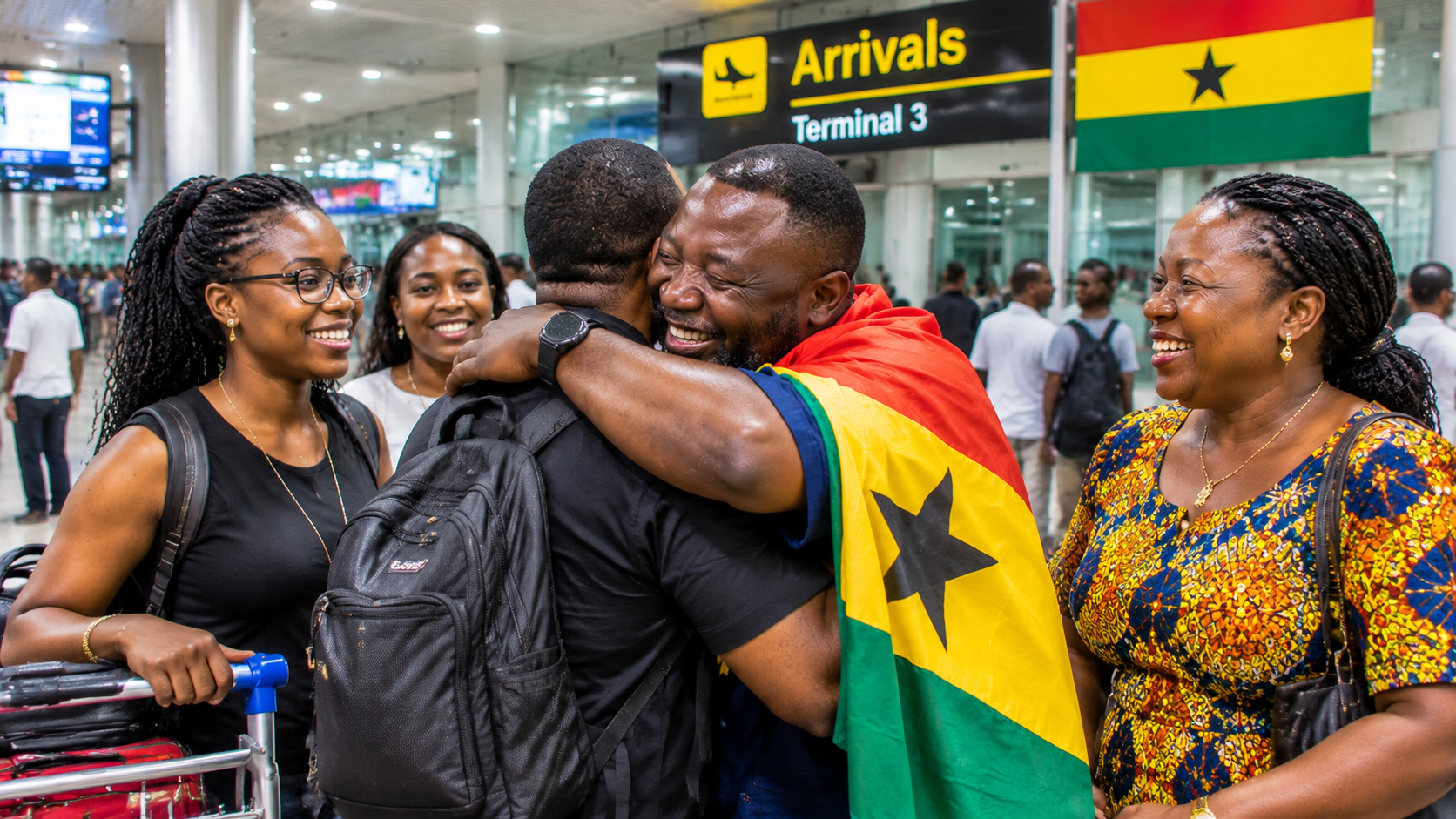

Ghana is strengthening its cooperation with the International Organization for Migration (IOM) in a move aimed at improving migration management, protecting citizens abroad and creating safer international employment opportunities for Ghanaians.
The renewed commitment follows a meeting between Deputy Minister for Foreign Affairs James Gyakye Quayson and Sylvia Ekra, IOM Regional Director for West and Central Africa, at the Ministry of Foreign Affairs in Accra.
Discussions focused on expanding regular migration pathways, protecting migrant workers, supporting Ghanaians returning home and strengthening engagement with the country’s growing diaspora communities.
The development is particularly relevant to thousands of Ghanaians living in the United Kingdom, Europe, North America and other parts of the world, where migration, employment opportunities and access to consular assistance remain important concerns.
The discussions also come as Ghana prepares to assume the chairmanship of the African Union in 2027, creating opportunities for greater cooperation on migration and development across the continent.
Ghana Wants More Structured and Safer Migration Opportunities
One of the central issues discussed during the meeting was the need to expand safe and regular migration opportunities for Ghanaians.
The government indicated that it wants to work with IOM to develop pathways that allow citizens, particularly young people, to access legitimate employment opportunities overseas.
Skills mobility and decent international employment were identified as important areas for cooperation.
For many Ghanaians, working abroad offers opportunities to improve their financial circumstances, gain professional experience and support families back home.
However, the search for employment overseas can also expose people to fraudulent recruitment agencies, human trafficking, exploitation and misleading job offers.
A more structured approach to labour migration could help address some of these risks by promoting legitimate recruitment arrangements and stronger protection for workers.
The discussions did not announce a new visa scheme or guarantee overseas employment. Instead, they reaffirmed the intention to strengthen cooperation on existing migration priorities.
Protection for Ghanaians Living and Working Abroad
The protection of Ghanaian citizens overseas remains a major concern for the Ministry of Foreign Affairs.
Ghanaians living abroad can face a range of difficulties, including immigration detention, employment disputes, trafficking, exploitation and emergencies requiring consular assistance.
The government has previously undertaken repatriation operations to assist citizens facing difficult circumstances overseas.
One significant example was the evacuation of 1,964 Ghanaians from South Africa following renewed xenophobic attacks and intimidation against African nationals in 2026.
The exercise highlighted the financial and logistical demands associated with protecting citizens during emergencies.
The Foreign Affairs Ministry subsequently announced plans for a Ghanaian Diaspora Consular Fund, intended to provide dedicated resources for emergency assistance, evacuations and repatriations.
The renewed partnership with IOM could provide additional technical support for migration governance, migrant protection and cooperation with international agencies.
For Ghanaians abroad, the priority will be ensuring that these commitments translate into accessible support when citizens encounter difficulties.
Returning Ghanaians Could Receive Greater Reintegration Support
Another important area discussed was the sustainable reintegration of Ghanaians returning from overseas.
Returning home after living or working abroad can present significant challenges, particularly for people who have experienced unsuccessful migration journeys, exploitation or financial difficulties.
Some returnees may need help finding employment, rebuilding their livelihoods, accessing training or establishing businesses.
Deputy Minister James Gyakye Quayson emphasised the importance of developing reintegration programmes that provide returning migrants with skills development, livelihood opportunities and other practical assistance.
Such programmes could help returning Ghanaians use the experience and skills gained overseas to contribute to the domestic economy.
Effective reintegration also requires cooperation between government agencies, employers, training institutions and development organisations.
The discussions suggest that Ghana wants to strengthen this area of migration policy, although specific new programmes and funding arrangements have not yet been announced.
Ghanaian Diaspora Recognised as an Important Development Partner
The meeting also highlighted the importance of Ghana’s diaspora communities and their contribution to national development.
Ghanaians living abroad contribute through financial remittances, investment, professional expertise, business partnerships and international networks.
The IOM has indicated its willingness to support initiatives that help Ghana harness this potential.
For the UK-based Ghanaian community, this is particularly relevant because many professionals, entrepreneurs and investors maintain strong economic and family connections with Ghana.
The government has increasingly encouraged the diaspora to move beyond sending money home and consider opportunities to invest, transfer skills and participate in national development.
However, building stronger diaspora engagement will require credible investment opportunities, transparent processes and institutions capable of maintaining trust.
Ghanaians abroad will also want clearer information about how they can participate in government-backed initiatives and what practical support will be available.
IOM Presents Ghana Strategic Plan for 2026–2028
During the meeting, IOM presented its Ghana Strategic Plan for 2026–2028 to the Deputy Foreign Affairs Minister.
The plan focuses on three broad priorities:
- Saving lives and protecting people on the move.
- Developing solutions to displacement and migration-related challenges.
- Facilitating safe and regular migration pathways.
The strategic framework is intended to guide the organisation’s work in Ghana over the coming years.
IOM has maintained a presence in Ghana for 39 years, with 2027 marking its 40th anniversary of operations in the country.
Its work has included cooperation on migration governance, migrant protection, labour migration, border management, return and reintegration, and efforts to combat human trafficking.
The new strategic plan provides a framework for continued collaboration with Ghanaian authorities.
What This Means for Ghanaians in the UK and Europe
For Ghanaians living in the United Kingdom and across Europe, the renewed partnership raises several important issues.
Employment opportunities: Greater cooperation on skills mobility could support efforts to develop legitimate international employment pathways. However, no new recruitment programme or visa entitlement has been announced.
Consular protection: Continued cooperation could strengthen the ability of Ghanaian authorities to respond to citizens experiencing emergencies abroad.
Returning home: Reintegration programmes could provide practical assistance to people returning to Ghana after working or living overseas.
Investment and skills transfer: Stronger diaspora engagement could create opportunities for professionals and business owners to contribute expertise and investment to Ghana.
For now, these are areas of policy cooperation rather than confirmed new services available to individual applicants.
Ghanaians considering overseas employment should continue to use official immigration and recruitment channels and verify employment offers before making payments or travelling.
Ghana’s Migration Agenda Faces an Important Test
The renewed cooperation between Ghana and IOM comes at a time when migration remains a major issue for African governments.
Young people continue to seek opportunities abroad, while countries face the challenge of protecting citizens from exploitation and ensuring that migration contributes positively to economic development.
For Ghana, the challenge will be turning diplomatic commitments into practical programmes that improve the experiences of people moving abroad and those returning home.
The success of the partnership will depend on implementation, adequate funding, effective coordination and accessible information for the public.
Ghanaians living overseas will be looking for tangible improvements in consular support, employment opportunities and reintegration assistance.
As Ghana prepares for its African Union chairmanship in 2027, stronger migration cooperation could also provide an opportunity to influence wider discussions about safe mobility and the protection of African migrants.
Related posts:
 Mahama Meets King Charles III as Ghana Seeks UK Investment
 Former MASLOC CEO Sedina Tamakloe-Attionu Returned to Ghana to Begin 10-Year Prison Sentence After US Extradition
 Fort Hood Apache helicopter crash kills two in Texas
 Apple Unveils First Foldable iPhone ‘Duo’ at $1,999
 UK police appeal for help locating Nana Bereko, 53, wanted on recall to prison