
Mahama and Queen Máxima Expand Digital Financial Services
President Mahama and Queen Máxima discuss expanding digital financial services in Ghana to improve financial health for women, farmers, and the informal sector.

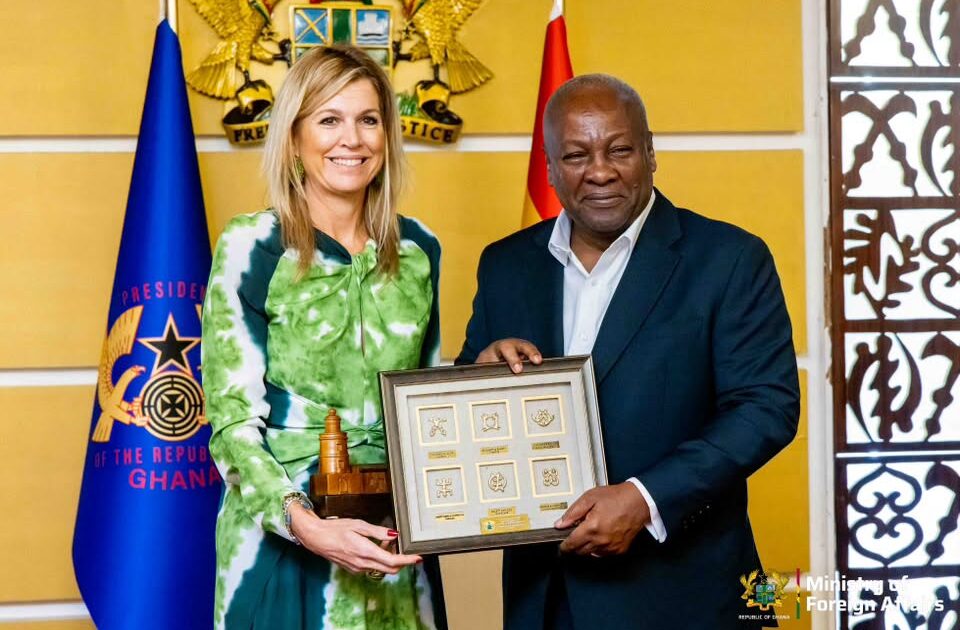

Expanding Digital Financial Services in Ghana
In a significant step toward modernizing the national economy, President John Dramani Mahama recently hosted a high-level meeting with Her Majesty Queen Máxima of the Netherlands. The dialogue centered on the strategic expansion of digital financial services, a cornerstone for enhancing the economic autonomy of Ghanaians. By prioritizing digital banking and mobile money solutions, the government aims to create a robust framework that supports national financial health. This initiative aligns with broader economic reforms and financial safety measures intended to protect the assets of citizens both within the country and in the diaspora.
The meeting highlighted the transformative power of mobile technology in reaching the unbanked. President Mahama emphasized that technology is no longer just a convenience but a necessity for inclusive growth. By integrating more citizens into the formal financial sector via digital platforms, the administration seeks to reduce the barriers to entry for those previously marginalized by traditional brick-and-mortar banking systems. The collaboration underscores a shared vision where digital tools serve as the primary engine for wealth creation and poverty reduction.
Strengthening Ghana’s Financial Health Strategy
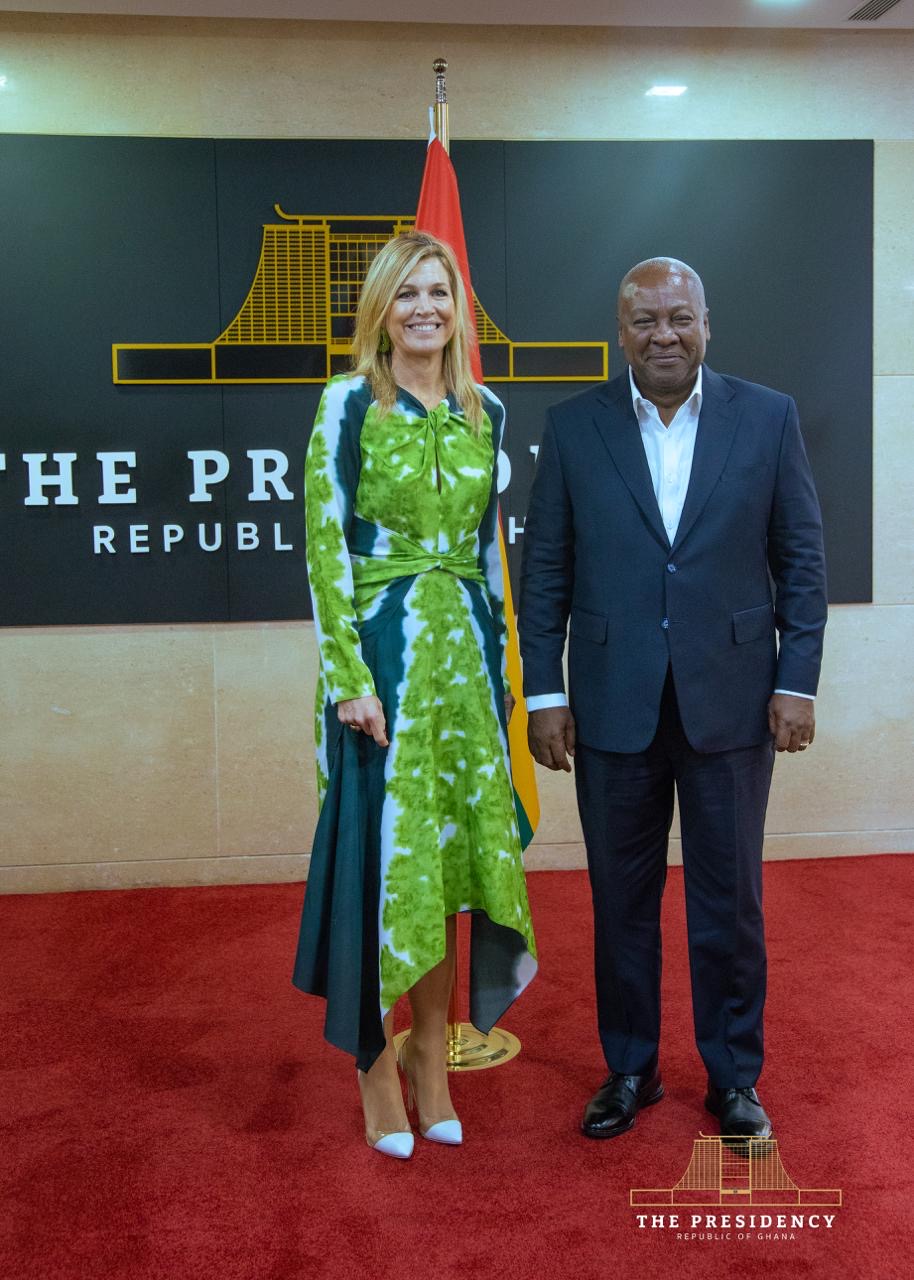
“The discussions focused on developing tailored financial solutions that address the specific needs of Ghanaians, particularly those in the informal sector.”
— Information Services Department
The partnership gains international weight through Queen Máxima’s role as the United Nations Secretary-General’s Special Advocate for Financial Health (UNSGSA). In this capacity, she provided global insights into how Financial Inclusion can be leveraged to improve economic security. The discussions moved beyond simple access to accounts, focusing instead on “financial health”—the ability of individuals to manage daily expenses, build resilience against financial shocks, and invest in their future goals. This holistic approach is being woven into national development plans to ensure that infrastructure and financial systems evolve in tandem.
Both leaders expressed a joint commitment to building a financial ecosystem that serves the vulnerable. The UNSGSA emphasized that for financial services to be truly effective, they must be affordable, safe, and tailored to the specific needs of the local population. By aligning Ghana’s domestic policies with international standards of financial health, the government aims to foster a climate of stability and trust that encourages long-term savings and responsible borrowing among the citizenry.
Transitioning Susu into the Digital Age
The ‘Susu’ system is a traditional rotating savings and credit association (ROSCA) widely used in West Africa. Participants make regular fixed contributions to a fund, which is then paid out to each member in a predetermined order, providing lump-sum capital without formal banking.
One of the most culturally significant topics discussed was the future of the Susu system, Ghana’s traditional informal savings method. While Susu has provided a lifeline for traders and small business owners for generations, it often lacks the security and scalability of formal institutions. President Mahama and Queen Máxima explored ways to modernize this traditional model by transitioning it onto digital platforms. By digitizing Susu, participants can benefit from enhanced security, a digital paper trail that helps build credit scores, and easier access to supplementary financial products like insurance and micro-loans.
The transition is not intended to replace the communal trust inherent in the Susu system but to strengthen it with 21st-century technology. Digital Susu platforms can mitigate the risks of theft or mismanagement often associated with physical cash collection. Furthermore, these digital financial services allow for real-time monitoring of savings, empowering informal sector workers to have greater oversight of their financial progress and facilitating a smoother transition from the informal to the formal economy.
Support for Smallholder Farmers and Vulnerable Groups
A primary focus of the collaborative effort is ensuring that the digital economy does not leave behind those in the agricultural sector or women in rural communities. The discussions identified specific barriers that prevent these groups from accessing Affordable Credit and essential protection. The following initiatives were outlined to address these gaps:
- Tailored Micro-Insurance: Developing digital insurance products specifically for smallholder farmers to protect against climate-related crop failure and livestock loss.
- Simplified Credit Scoring: Utilizing mobile money transaction history as a basis for creditworthiness, allowing those without traditional collateral to access business loans.
- Gender-Centric Financial Tools: Creating digital platforms that address the unique challenges faced by women entrepreneurs, including lower literacy rates and limited mobility.
- Financial Literacy Campaigns: Implementing nationwide programs to educate rural populations on the safe use of digital wallets and the benefits of formal savings.
Collaborative Framework for Economic Resilience
The strategic importance of this partnership lies in its ability to combine international expertise with local economic realities. By working closely with the UNSGSA, Ghana is positioning itself as a leader in digital financial innovation within the sub-region. This collaborative framework is designed to build a resilient financial ecosystem capable of withstanding global economic fluctuations while providing a stable foundation for individual household growth.
In conclusion, the meeting between President Mahama and Queen Máxima marks a pivotal moment for Financial Inclusion in Ghana. By embracing digital innovation and modernizing traditional practices, the country is set to empower millions of its citizens. The focus on digital financial services ensures that whether one is a smallholder farmer in the north or a market trader in the south, the tools for economic success are becoming increasingly accessible, secure, and affordable.
Related posts:
 Ghana Nears First Non-Interest Banking Licence as BoG Warns on Fintech Trust
 Bank of Ghana suspends proposed 0.75% mobile money transfer fee
 GhIPSS returns GH¢14.58m dividend to Bank of Ghana after profitable year
 Ghana’s $21bn gold exports reveal the challenge behind Mahama’s 2030 mineral processing plan.
 GCB Bank and UnionPay Introduce Yuan Cards for Ghana-China Trade, but Will Traders Save Money?