Victor Smith Cautions Ghanaians on US Safety Risks
Ambassador Victor Smith cautions Ghanaians in the US to choose safe neighborhoods following recent killings and reveals his own son faces bullying in.


Ambassador Victor Smith Warns Ghanaians in the US
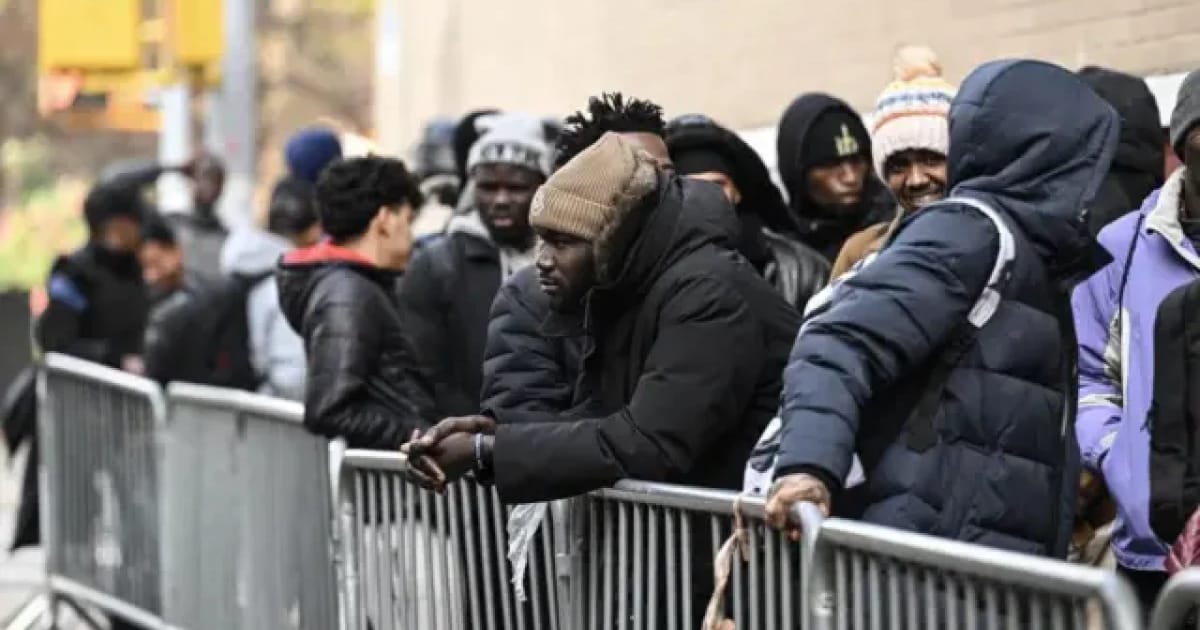
The Ghana Ambassador to US, Victor Smith, has issued a stern cautionary statement to his compatriots residing in or traveling to the United States. Speaking on the current social and security climate, the Ambassador emphasized that while the United States offers various opportunities, Ghanaians in America must be highly selective and vigilant regarding the neighborhoods and environments they choose to inhabit. This warning comes amidst growing concerns over the personal safety of the diaspora and the unpredictable nature of localized violence in certain American jurisdictions.
Ambassador Smith noted that while the Ghana Embassy is fundamentally committed to providing consular support and protection to all its citizens abroad, the sheer scale of the United States makes it impossible for diplomatic missions to track the exact whereabouts or safety of every individual. He urged Ghanaians to conduct thorough research into the safety profiles of residential areas before settling, stressing that the choice of environment is often the first line of defense against potential hostility or criminal activity.
Diplomatic Response to Rising Violence and Bullying

The urgency behind the Ambassador’s message is fueled by the tragic deaths of two Ghanaian nationals in the United States. These incidents have sparked significant concern within the diplomatic community, leading to formal Ghana State Department communication. Ambassador Smith confirmed that he has officially written to the U.S. State Department to address these fatalities and to seek clarity on whether these acts of violence were preceded by or linked to systemic bullying.
One particularly harrowing case involving the diaspora involves Joseph Owusu: CCTV Shows Body Dumped in New York, an incident that underscored the vulnerabilities faced by migrants in large metropolitan hubs. By engaging directly with U.S. federal authorities, Smith aims to ensure that the grievances of the Ghanaian community are recognized at the highest levels of government, pushing for thorough investigations into whether these crimes were motivated by bias or negligence.
Personal Stakes: Bullying of the Ambassador’s Son
“Ghanaians in the US need to be careful about where they go and where they live.”
— Victor Smith, Ghana Ambassador to the US
The Ambassador’s warnings are not merely professional; they are deeply personal. During a recent media engagement, Victor Smith revealed that his own son has been a victim of persistent bullying within the American school system. This revelation highlights that even the families of high-ranking diplomats are not immune to the social frictions currently prevalent in the U.S. education system.
Smith shared that he has taken a firm stance against the harassment his son has faced, issuing a clear ultimatum to the school authorities. He demanded immediate and effective intervention to stop the torment, stating unequivocally that he would remove his child from the institution if the environment did not become safe and inclusive. This personal anecdote serves as a chilling example for other Ghanaian parents in the U.S., illustrating that racial discrimination US institutions face can manifest as early as primary and secondary education.
The Reality of Racial Discrimination in the US
Victor Smith emphasized that despite global efforts to combat racism, racial discrimination remains a persistent challenge in the United States, often manifesting as hostility toward those with different accents or skin colors.
According to Ambassador Smith, the notion that the world has moved past racial prejudice is a fallacy, particularly within the American context. He argues that racial discrimination US remains a persistent and palpable force that dictates social interactions. In his view, many incidents of hostility are triggered by superficial differences, such as linguistic accents or physical appearance.
He observed that some individuals in the U.S. appear to take offense when others do not speak with a standard American cadence or when their skin color differs from the majority in a specific locale. This intolerance, he suggests, is at the root of much of the “torment” faced by foreign nationals. While Victor Smith continues to navigate these tensions, his perspective aligns with the broader diplomatic stance where Ghana’s Non-Aligned Foreign Policy Reaffirmed by Mahama allows the nation to critique international social issues while maintaining essential bilateral ties.
Impact on Ordinary Ghanaians and the Diaspora
The warnings issued by the Ambassador have significant implications for the thousands of Ghanaians who view the United States as a primary destination for education and employment. For the ordinary citizen, these diplomatic cautions serve as a reminder that the “American Dream” comes with modern complexities that require a high degree of situational awareness. The Embassy’s emphasis on “where they go and where they live” suggests that the diaspora must now prioritize safety metrics as much as economic ones when planning their lives abroad.
Furthermore, the Ambassador’s proactive communication with the State Department signals a shift toward more vocal advocacy for Ghanaian lives on the global stage. For those already in the U.S., the message is clear: utilize the Embassy’s resources, report incidents of bullying or discrimination immediately, and remain cognizant of the fact that racial tensions remain an active component of the American social fabric.
Key Safety Considerations for Ghanaians Abroad
- Location Research: Prioritize living in areas with documented lower crime rates and diverse populations.
- Documentation: Ensure that all contact information is registered with the Ghana Embassy or nearest Consulate.
- Reporting Mechanisms: Do not ignore instances of “minor” bullying; report them to institutional authorities and the Embassy if they persist.
- Community Engagement: Stay connected with local Ghanaian associations for real-time updates on community safety.
Related posts:
 Safe Living: Protecting Ghanaians in the US and at Home
 32 Ghanaians Listed in US Homeland Security ‘Worst of the Worst’ Database as Immigration Enforcement Intensifies
 African Trade and Diaspora Economy: Trends and Challenges
 Mahama Calls for Renewed Pan-African Unity and Reparations Agenda During UK Visit
 Paul Mackenzie Sentencing: Kenyan Cult Leader Faces Court