Volta Regional Minister James Gunu Commissions 7 Projects
Volta Regional Minister James Gunu commissions seven key education and health projects in Ho Municipality to improve local infrastructure and community access.

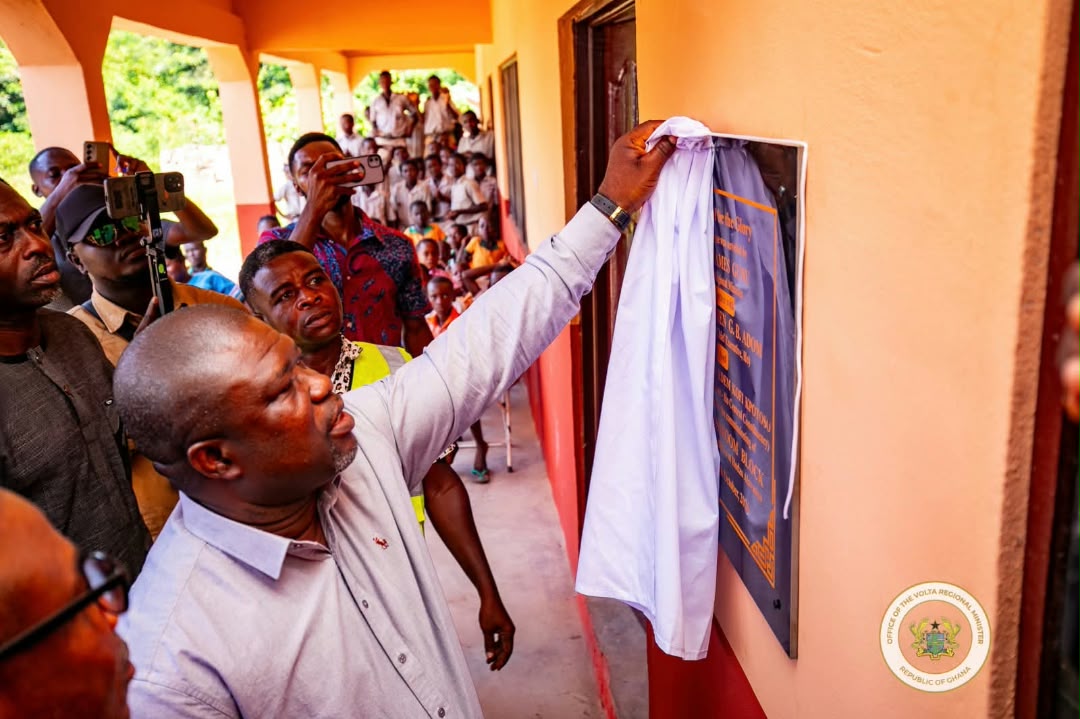

Volta Regional Minister James Gunu Unveils Seven New Projects
The Volta Regional Minister James Gunu has officially commissioned seven strategic development projects within the Ho Municipality, marking a significant milestone in the regional administration’s efforts to enhance social infrastructure. These projects, which span across various rural and peri-urban communities, are specifically designed to bridge the gap in essential service delivery, focusing primarily on the critical sectors of health and education. By prioritizing these areas, the regional government aims to foster an environment conducive to human capital development and long-term economic stability.
During the commissioning ceremonies, the Minister emphasized that the provision of these facilities is not merely an administrative achievement but a fulfillment of the government’s commitment to decentralized development. The Ho Municipality development plan has been structured to ensure that communities furthest from the regional capital are not left behind in the distribution of national resources. The unveiling of these seven projects represents a comprehensive approach to addressing the immediate needs of residents who previously faced challenges in accessing basic amenities.
Healthcare Advancements: CHPS Compound and Nurses’ Quarters
A major pillar of this developmental phase is the expansion of Volta Region healthcare services. The Minister commissioned the CHPS compound Takla Atiyinu and another facility at Ziavi Bamefedo to bring primary healthcare closer to the doorstep of the people. Community-based Health Planning and Services (CHPS) compounds are vital in the Ghanaian health system, serving as the first point of contact for maternal care, immunizations, and minor ailment treatments. These new installations are expected to significantly reduce the mortality rates associated with delayed medical intervention in remote areas.
To ensure the sustainability of these health services, the government also addressed the housing needs of medical staff. James Gunu commissioned two-unit nurses’ quarters in both Tokokoe and Matse. Improving the living conditions of healthcare workers is seen as a crucial step in retaining qualified personnel in rural districts. These efforts align with broader digital health expansion initiatives that seek to modernize the way health data and services are managed across the country, ensuring that even rural quarters are integrated into the national health network.
Educational Infrastructure Boost at Nyive and Shia
The second major focus of the James Gunu Ho projects involves a substantial investment in education infrastructure Ghana. The Minister unveiled several new academic buildings designed to replace dilapidated structures or provide new space for growing student populations. In Nyive, a new six-unit classroom block equipped with ancillary facilities was commissioned, providing a modern learning environment for hundreds of children. Similarly, a two-unit classroom block was handed over to the community of Shia, while Hodzo Alavanyo received a three-unit classroom block.
These investments are part of a coordinated effort to support educational reform policies in Ghana, which aim to eliminate learning poverty by providing adequate physical space for instruction. By moving students from overcrowded or makeshift classrooms into purpose-built facilities, the Ho Municipal Assembly is directly contributing to better educational outcomes and higher student retention rates in the Volta Region.
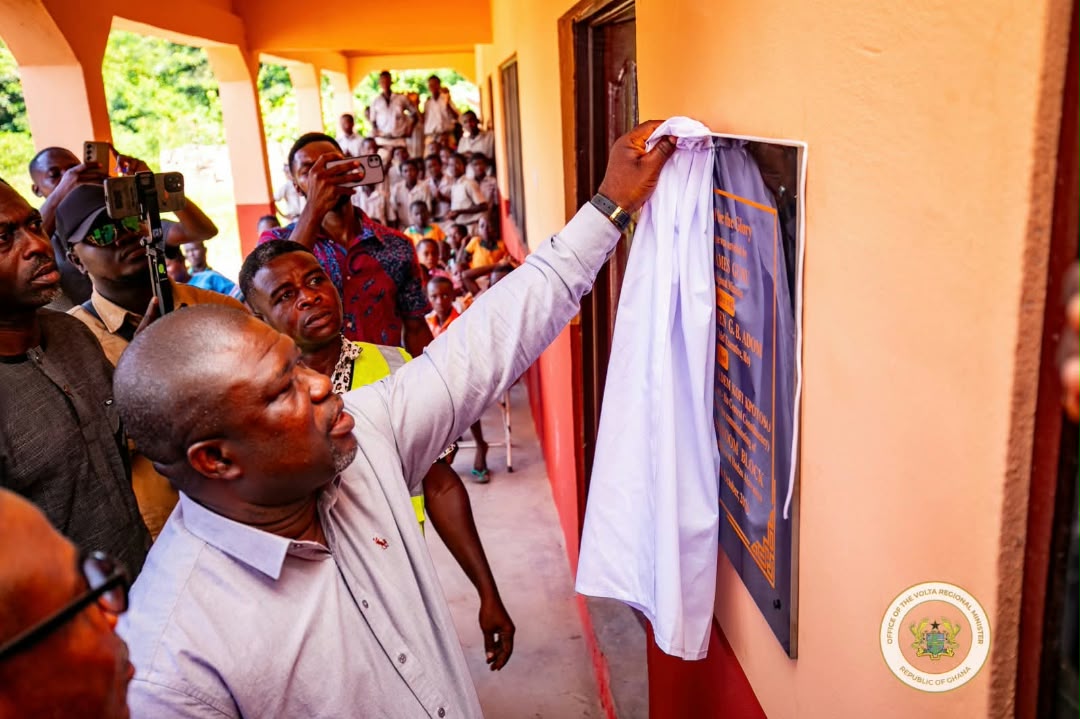
Breakdown of the Seven Development Projects
The seven projects span healthcare and education, ranging from nurses’ quarters to multi-unit classroom blocks, specifically targeting rural and semi-urban communities within the Ho Municipality.
The scope of the commissioning exercise covered a diverse range of locations, ensuring an equitable distribution of resources. The seven projects included:
- CHPS Compound: Located at Takla Atiyinu to provide localized primary healthcare.
- Three-Unit Classroom Block: Constructed at Hodzo Alavanyo, featuring modern ancillary facilities.
- Two-Unit Nurses’ Quarters: Situated at Tokokoe to house essential medical staff.
- Six-Unit Classroom Block: Established at Nyive to accommodate a larger student body.
- Two-Unit Classroom Block: Built at Shia to enhance early childhood or primary education.
- Two-Unit Nurses’ Quarters: Provided at Matse to improve staff residence conditions.
- CHPS Compound: Located at Ziavi Bamefedo to serve the surrounding health needs.
Impact on Beneficiary Communities
“These projects are aimed at improving access to education and healthcare in beneficiary communities.”
— James Gunu, Volta Regional Minister
The immediate impact of these projects is a reduction in the physical barriers to essential services. For many years, residents in areas like Ziavi Bamefedo and Takla Atiyinu had to travel long distances to access the nearest clinic, often at great personal expense or risk during emergencies. The presence of functional CHPS compounds means that life-saving interventions can now happen within the community. Furthermore, the provision of nurses’ quarters ensures that medical professionals are available 24 hours a day, providing a level of security and reliability that was previously missing.
For the youth, the new classroom blocks at Nyive, Shia, and Hodzo Alavanyo represent a renewed hope for the future. Modern school buildings provide a dignified environment for both teachers and pupils, which is proven to increase morale and academic performance. The inclusion of ancillary facilities, such as offices and sanitation units, ensures that the schools meet the basic standards required for a healthy and productive school day, effectively tackling the regional disparity in educational quality.
Government Focus on Ho Municipality Infrastructure
Volta Regional Minister James Gunu reiterated that these seven projects are part of a larger roadmap for the Ho Municipality. The government’s strategy is to create “growth poles” by investing in infrastructure that attracts further development. By securing health and education, the administration is laying the groundwork for private sector investment and community-led economic initiatives. The Minister called on the local chiefs and community leaders to take ownership of these facilities, ensuring they are well-maintained for the benefit of future generations.
The commissioning also highlights the synergy between the Regional Coordinating Council and the Ho Municipal Assembly. This collaboration ensures that projects are not only completed on time but are also relevant to the specific needs of the local population. As the Volta Region continues to grow, such targeted infrastructure projects will remain a cornerstone of the government’s developmental agenda, ensuring that the benefits of national growth are felt at the grassroots level.
Frequently Asked Questions (FAQ)
This section provides a summary of the key takeaways regarding the recent project commissions led by the Volta Regional Minister. It covers the types of facilities built, the specific communities that will benefit, and the overarching goals of these investments in the Ho Municipality.
Related posts:
 DVLA Expands from 33 to 63 Offices Across Ghana
 Mahama Directs GH¢300m for 250 Police Apartments in 2027 Budget
 Power outages expected in Accra, Volta and Ashanti during ECG maintenance
 Ghana Parliament Passes Human Sexual Rights and Family Values Bill
 NDC Renames Headquarters ‘Jerry Rawlings House’ on Founder’s 79th Birthday.