Al-Ayyat Train Collision Casualties and Investigation Details


Initial findings from the Al-Ayyat train collision investigation
On Sunday, November 8, 2026, the Al-Ayyat train collision occurred approximately 32 miles south of Cairo, marking a tragic chapter in the region’s transportation history. The incident took place at approximately 1:30 pm in the Al-Ayyat district of Giza province. According to the Egyptian railway authority, a passenger train traveling from Giza to Fayoum struck the rear of another service that was stationary on the tracks. The stationary train had been heading south from Cairo to the city of Aswan.

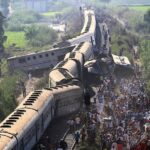
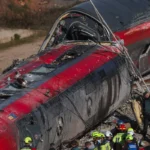
Witnesses at the scene, including Abdel Wahed Mohamed, 31, who was at a nearby cafe, reported that the force of the impact caused six carriages to overturn. The collision took place in the corridor between the Kafr Ammar and Al-Raqqa stations. The impact was so severe that several carriages derailed and slid down a nearby embankment, with at least one carriage appearing to have split in two, exposing twisted metal and shattered seats across the tracks and surrounding farmland.
Casualties and the Heroic Response in Giza Province
The Egyptian health ministry has confirmed that the Al-Ayyat train collision resulted in at least seven deaths and 112 injuries. Among the deceased was the driver of one of the trains. Victims suffered a wide range of trauma, including fractures of the limbs, pelvis, and vertebrae, as well as head injuries, facial lacerations, and chest injuries.

The emergency response was immediate and massive. Health Minister Dr. Khaled Abdel Ghaffar put regional hospitals on “heightened alert” to handle the influx of patients. The ministry deployed 72 ambulances to transport the wounded to three regional medical facilities. Beyond professional first responders, local villagers played a critical role in the initial rescue. Witness Ahmed Moussa described how rescuers and locals had to dig beneath overturned carriages to reach passengers who were “piled on top of each other” inside the wreckage. By Sunday evening, 45 patients had been discharged, while others remained under intensive care.
Presidential Mandate: Accountability and the Investigation
In the immediate aftermath, President Abdel Fattah al-Sisi issued a formal statement saying he was following the accident “with great concern.” The President directed state authorities to provide all necessary medical care to the survivors and issued a mandate for an urgent Giza rail accident accountability investigation. His directive explicitly ordered officials to “hold accountable anyone found to have been negligent.”

The public prosecutor’s office has launched an inquiry into the circumstances of the crash, warning that the death toll could still rise as recovery operations continue. To facilitate the investigation and clear the site, authorities suspended all rail services between Giza and the Upper Egypt region. The Egyptian Red Crescent also deployed teams to the site to provide psychological support to the victims and their families.
Public Outcry and the Call for Political Resignations
The disaster has sparked widespread public anger across Egypt, leading to renewed demands for Egyptian Transport Minister resignation. Critics and citizens alike have pointed to the Al-Ayyat train collision as evidence of persistent failures in operational safety and oversight along heavily traveled passenger lines. Despite ongoing government efforts to modernize the sector, the frequency of such disasters has fueled a narrative of systemic negligence.
Social media and local observers have intensified the scrutiny on the Ministry of Transport, questioning why safety protocols failed to prevent a moving train from colliding with a stationary one on the same track. This public outcry reflects a broader frustration with the pace of safety reforms and the perceived lack of accountability for top-level officials following repeated rail tragedies.
Shadows of 2002: A Region Haunted by Rail HistoryThe location of the Egypt train crash in 2026 carries significant historical weight, as Al-Ayyat has been the site of multiple rail disasters. In February 2002, the area witnessed the deadliest accident in the country’s history when a fire on a Cairo-to-Luxor train claimed at least 370 lives, though unofficial figures were much higher. This site was also the location of two additional fatal crashes in 2009 that resulted in dozens of casualties.
The recurring tragedies in this specific corridor, including the devastating **al-ayyat train collision** history, highlight ongoing concerns regarding railway safety and infrastructure. Local witness Reda Kamel Labib criticized the slow rescue response, citing inadequate transport networks in the rural district. For many, the November 2026 collision is a grim reminder that this corridor remains a high-risk zone for infrastructure failure despite modern investment in other regions.
The Path Forward for Egypt’s Aging Rail Network
As recovery efforts continue, heavy cranes and machinery are being used to right the overturned carriages and clear the tracks for the eventual resumption of service. The international community has responded with messages of support; Saudi Arabia’s ministry of foreign affairs expressed “solidarity” with Egypt, and Turkey’s ambassador to Egypt offered “heartfelt condolences” to the families of the victims.
The Al-Ayyat train collision forces a difficult conversation regarding the tension between Egypt’s ambitious new infrastructure projects and the urgent need for maintenance and safety upgrades on existing, aging lines. Whether the President al-Sisi investigation rail directive leads to substantive structural changes remains to be seen, but the demand for political accountability has never been louder. Through rigorous investigation and a commitment to safety, Egypt aims to prevent its rail history from repeating itself once again.