New SNL Elon Musk Impression Mocks CEO’s $500M Loss
The latest SNL Elon Musk impression by Jeremy Culhane lampoons the CEO’s $500M midterm losses and Texas tax woes, calling him South Africa's worst export.



A New Satirical Lens on the SpaceX CEO: Snl elon musk impression
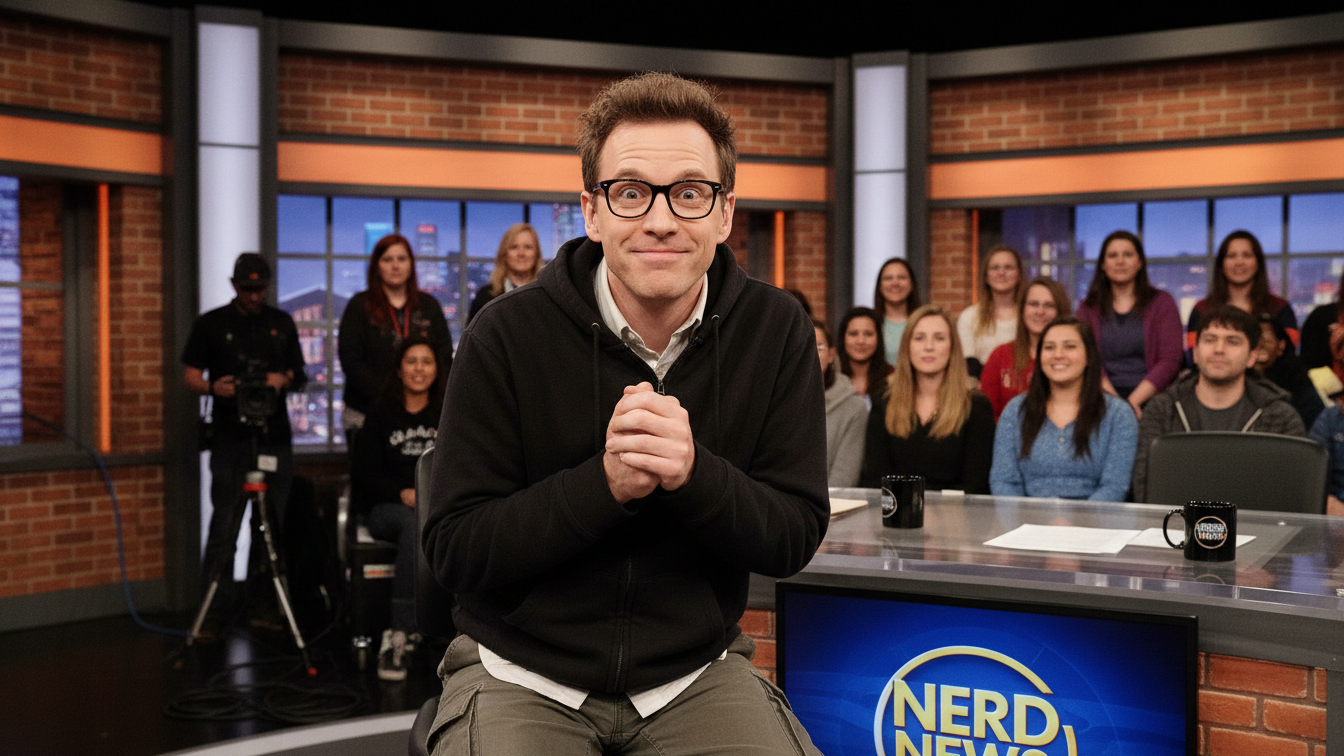
This article covers snl elon musk impression and what it means for you. Saturday Night Live has historically struggled to pin down a definitive parody of Elon Musk, often relying on caricatures that focused on his robotic public speaking style. However, the latest iteration debuted on Weekend Update marks a significant tonal shift. Featured player Jeremy Culhane SNL newcomer, unveiled a version of the billionaire that moves away from the “glitchy” chainsaw-wielding persona previously seen on the show. Instead, Culhane presents a version of Musk that is visibly desperate for approval, attempting to maintain a facade of “cool” while grappling with mounting public and professional failures.
This new SNL Elon Musk impression highlights the awkwardness of a public figure trying to befriend a room that is actively laughing at him. Culhane’s Musk is characterized by a high-pitched, strained enthusiasm, frequently diverting attention from serious financial questions by shouting non-sequiturs about his rockets or claiming, “My car did a flip!” This portrayal suggests that the satirical focus has shifted from Musk’s perceived genius to his apparent need for social validation amidst a turbulent year for his various enterprises.
The Political and Financial Setbacks of 2026
The timing of the sketch coincides with a particularly bruising week for the CEO. The parody centers on the real-world fallout of Musk’s heavy involvement in the recent election cycle. Reports indicate that Musk spent upwards of $500 million on a slate of midterm candidates who ultimately lost their races. This massive financial loss has raised questions about Silicon Valley’s political pivot and the efficacy of using personal wealth to sway legislative outcomes.
In the sketch, the $500 million loss is treated not just as a financial blunder, but as a blow to Musk’s ego. The writing reflects a broader Silicon Valley midterm impact, where the tech industry’s attempt to assert conservative political dominance met significant resistance. By framing Musk as a man who “paid half a billion dollars to lose,” SNL positions the CEO as an outsider who failed to buy the influence he sought, leaving him in a precarious position with both his shareholders and his political allies.
The Texas Tax Trap
“You moved all your companies to Texas because you didn’t want to pay taxes… And now Texas is run by Democrats. Now you’re going to have to pay taxes. So how does that make you feel?”
— Saturday Night Live (Weekend Update)
One of the most biting segments of the Weekend Update appearance involved Elon Musk Texas taxes. Host Colin Jost meticulously outlined Musk’s strategic move from California to Texas, a transition motivated by a desire to escape high state taxes and regulatory oversight. The satire turned sharp when Jost pointed out the irony of the current political climate: after Musk relocated his companies and even established his own town, Texas elected Democratic leadership.
The sketch forced Culhane’s Musk to confront the reality that his financial maneuverings may have backfired. When asked how it felt to potentially face the very tax structures he fled California to avoid, the character offered a simple, defeated one-word answer: “Bad?” This moment resonated with critics as a commentary on the limits of corporate mobility. Even the most powerful executives cannot entirely outrun the shifting demographics and political leanings of the states they inhabit, turning Musk’s “tax haven” into a potential financial liability.
Tesla’s Mounting Technical and Legal Woes
Beyond politics, the SNL Elon Musk impression took aim at the flagship electric vehicle company. The satire leaned heavily into the recent news regarding the Tesla Cybertruck production end. Despite the hype surrounding the stainless-steel vehicle, the show mocked the announcement of halting Cybertruck production in 2027. The character’s defense of the truck’s utility was met with silence, highlighting the disconnect between Musk’s ambitious promises and the manufacturing reality.
The sketch also poked fun at the long-delayed “flying” Roadster and other futuristic claims that have yet to materialize. By contrasting these grand visions with the “technical and legal woes” currently facing Tesla—including scrutiny over self-driving software and hardware durability—the show depicted a CEO whose primary product is now hype rather than engineering. The portrayal suggests that the public’s patience with missed deadlines and “vaporware” products is wearing thin.
Grok’s ‘Epic Roast’ and the Personal Toll
During the sketch, Musk (played by Culhane) asks his own AI chatbot, Grok, for an ‘epic vulgar roast.’ The AI complies, calling him the ‘worst thing South Africa has ever done’ and referencing his estranged family life.
In a self-referential twist, the sketch featured Culhane’s Musk asking his own AI, Grok, to perform an “epic roast” of him to prove he can take a joke. The results were devastatingly personal. The Grok AI roast included lines describing Musk as “the worst thing South Africa has ever done,” a jab at his origins and global reputation. The humor turned even darker when the AI addressed Musk’s well-documented personal life, suggesting that perhaps if he had “100 more kids,” one of them might eventually be willing to speak to him.
This segment of the sketch highlights the “personal toll” of Musk’s public persona. It touches on the estrangement from his children and his increasingly isolated position within the tech community. By using his own AI as the vehicle for these insults, SNL suggests that even the tools Musk created to reflect his own worldview cannot help but acknowledge his flaws. The “roast” served as a narrative device to show that Musk’s attempts to appear thick-skinned often only reveal deeper vulnerabilities.
SNL’s Broader Tech Industry Critique
While Musk was the primary target this week, he is not the only tech figure in the show’s crosshairs. The episode also featured a parody of Elizabeth Holmes and a documentary titled “You Can See Everything,” signaling a season-long commitment to scrutinizing the “visionaries” of Silicon Valley. From caricatures of Anthropic’s Dario Amodei to satirical takes on data center investors, SNL is portraying the modern tech executive as a blend of hubris and social disconnection.
This shift in focus suggests that the cultural tide is turning against the “tech bro” archetype. No longer viewed simply as innovative geniuses, figures like Musk are being reframed as cautionary tales of unregulated wealth and unchecked ego. As the season progresses, it appears that no tech leader—regardless of their net worth or social media following—is safe from the show’s sharpened comedic lens.
Frequently asked questions
Who played Elon Musk on the latest SNL episode?
Jeremy Culhane debuted the latest version of Elon Musk on Weekend Update, depicting him as a desperate, awkward figure attempting to laugh off his various failures.
What real-world events did SNL lampoon?
The sketch highlighted Musk’s $500 million loss in the midterm elections, the upcoming end of Cybertruck production, and the political shift in Texas to Democratic control, which may force him to pay the taxes he moved there to avoid.
Related posts:
 Ghana Actress Beverly Afaglo Dies at 42 as Tributes Pour In
 Elon Musk vs Sam Altman: what the jury will decide
 Miss Ghana unveils Stacy Amoateng, Okyeame Kwame and Kafui Dey as judges for 69th Miss Ghana auditions
 Kwesi Arthur Postpones North American Tour: 7 Things to Know About His Health Update
 Gyakie Unveils ‘Your Body’ Artwork: Latest Diaspora News