Elon Musk vs Sam Altman: what the jury will decide

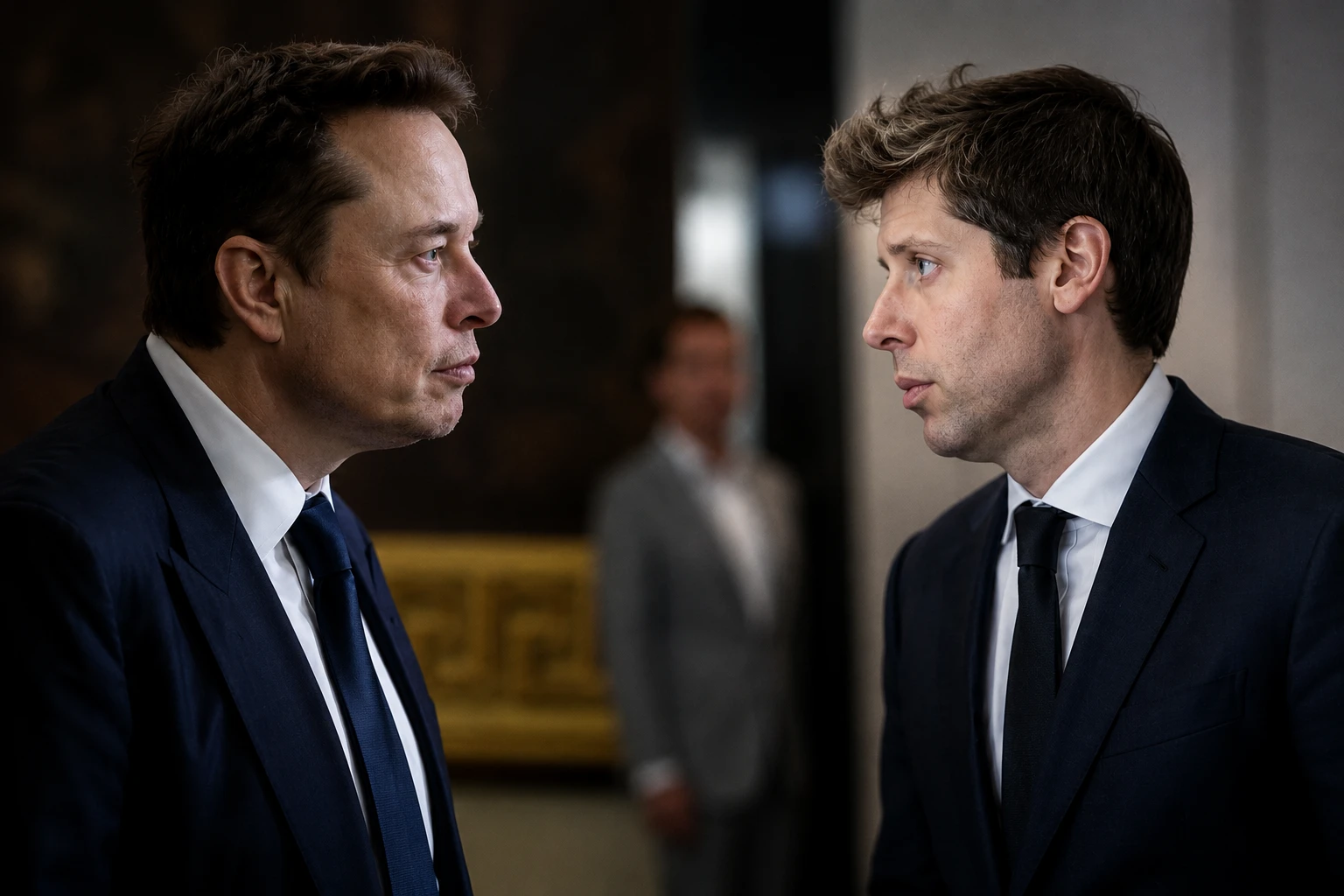

As a high-profile tech dispute reaches jury consideration, here is what the jury will actually decide in the case of Elon Musk vs Sam Altman. This explainer outlines the jury’s likely role and limits.
The central question for the jury in the Elon Musk vs Sam Altman case will be factual: which party’s version of events the evidence supports and whether those facts satisfy the legal claims put before them.
Juries do not set the law. A judge instructs jurors on the legal standard they must apply. The jury’s task is confined to deciding contested facts, assessing witness credibility and applying those facts to the legal questions identified by the judge.
In practical terms a jury may be asked to determine whether specific allegations have been proven by the required burden of proof and then to decide whether the defendant is liable. If liability is found, jurors sometimes also decide the amount of monetary damages to award under the claims presented.
Certain remedies, such as injunctions or other equitable relief, are typically decided by a judge rather than a jury. Jurors will therefore not determine every possible outcome of the trial; their verdict will feed into the judge’s final disposition of relief and enforcement.
The scope of the jury’s decision depends on the claims the plaintiff has chosen to bring and the evidence admitted at trial. Complex technical or business disputes are often distilled into a limited number of specific questions for jurors to answer on a verdict form.
Because this explanation is based on a short preview of the proceedings, it does not address the specific factual allegations or evidence in the case.
Source: TechCrunch.
Additional reporting by Nukunya News Desk.
Related posts:
 Pope Leo XIV Urges AI ‘Disarmament’ in Major Vatican Warning on Technology Risks
  Who decides what AI tells you? Ex‑Meta news chief Campbell Brown weighs in
  Google I/O 2026: Google Unveils Gemini 3.5, AI Search and New AI Tools
  Nvidia ramps up Taiwan spending to $150bn a year as AI race intensifies
  Iran delays response to US proposal as nuclear programme and Strait of Hormuz emerge as key obstacles