
Iran delays response to US proposal as nuclear programme and Strait of Hormuz emerge as key obstacles

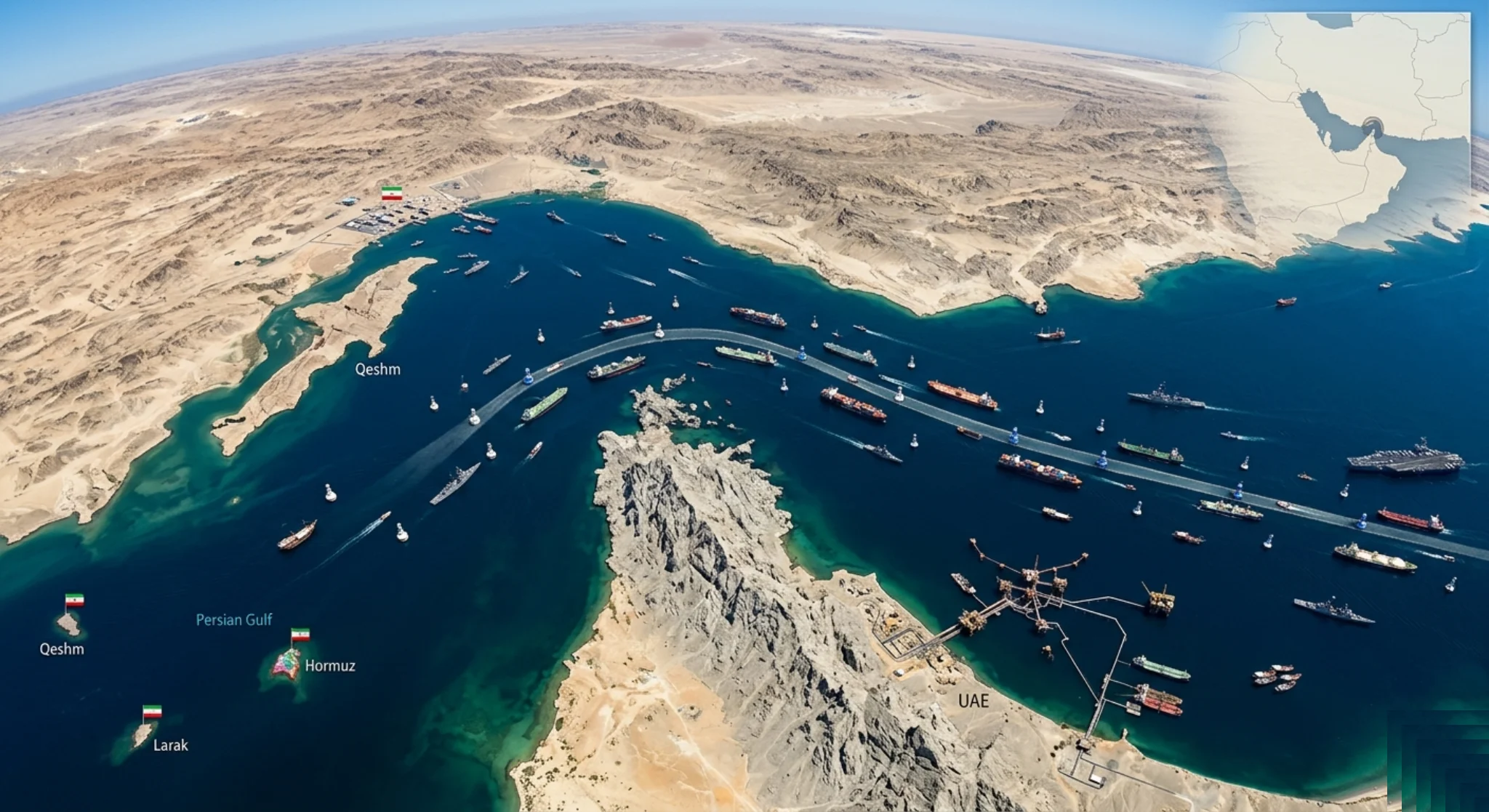

Iran’s response to the US proposal remains delayed as Tehran weighs concerns over its nuclear programme and the Strait of Hormuz, two issues that have emerged as major sticking points in ongoing negotiations.
Iran’s response to the US proposal has become increasingly cautious as officials assess sanctions relief, maritime security concerns, and nuclear oversight measures linked to the broader diplomatic negotiations.
Al Jazeera first reported that Tehran had not yet issued a formal public response to the US-backed proposal, citing officials familiar with the ongoing deliberations. Diplomatic sources say Iranian authorities are seeking to preserve strategic leverage while reviewing the political and economic implications of any potential agreement.
Iran’s response to US proposal focuses on nuclear programme and Strait of Hormuz
Iran’s nuclear programme has remained one of the most contentious issues in negotiations between Tehran and Western governments. Iranian officials continue to frame the programme as a matter of national sovereignty and strategic deterrence, while the United States and its allies have pushed for tighter oversight aimed at limiting escalation risks.
At the same time, the Strait of Hormuz remains central to Iran-US negotiations because of its importance to global energy markets and maritime security. The narrow shipping corridor carries a significant share of the world’s seaborne oil and gas exports, making it one of the most strategically sensitive waterways in international trade.
Analysts say Iran’s response to the US proposal may depend heavily on guarantees linked to sanctions relief, military activity in the Gulf region, maritime access, and long-term nuclear monitoring arrangements.
Regional reporting has also pointed to ongoing back-channel diplomacy involving intermediaries attempting to narrow differences between both sides. However, uncertainty remains over whether Washington’s proposal adequately addresses Tehran’s core security and economic concerns.
Reading now: Iran delays response to US proposal — explore more coverage on Iran’s nuclear programme and developments in the Strait of Hormuz.
Iran’s response to the US proposal has continued to attract international attention as investors and policymakers monitor the potential implications for oil markets, regional stability, and shipping activity around the Strait of Hormuz.
Some diplomatic observers believe Tehran may be deliberately slowing the negotiation process to strengthen its bargaining position, especially as wider tensions across the Middle East continue to affect energy prices and international security calculations.
While neither side has publicly disclosed the full details of the proposed agreement, analysts say the pace of the negotiations suggests both governments remain cautious about committing to terms that could trigger political backlash domestically or internationally.
Any prolonged delay in Iran’s response to the US proposal is likely to deepen uncertainty surrounding the future of the negotiations, particularly if disagreements over the nuclear programme, sanctions, and maritime security continue to dominate discussions.
Primary reporting source: Al Jazeera
Related posts:
 Iran reviews US peace proposal as Trump signals swift end to the war. | Breaking
  King Charles Stresses NATO Alliance in ‘Contested World’ at White House State Dinner with Trump
  Mifepristone access restored by US Supreme Court for now
  DR Congo Ebola outbreak grows as Oxford scientists fast-track vaccine
  Pope Leo XIV Urges AI ‘Disarmament’ in Major Vatican Warning on Technology Risks