Nine Zimbabweans Arrested for Joining Russia-Ukraine War
Nine Zimbabweans arrested in South Africa for allegedly attempting to join the Russia-Ukraine war. Learn about the charges and the crackdown on mercenary.

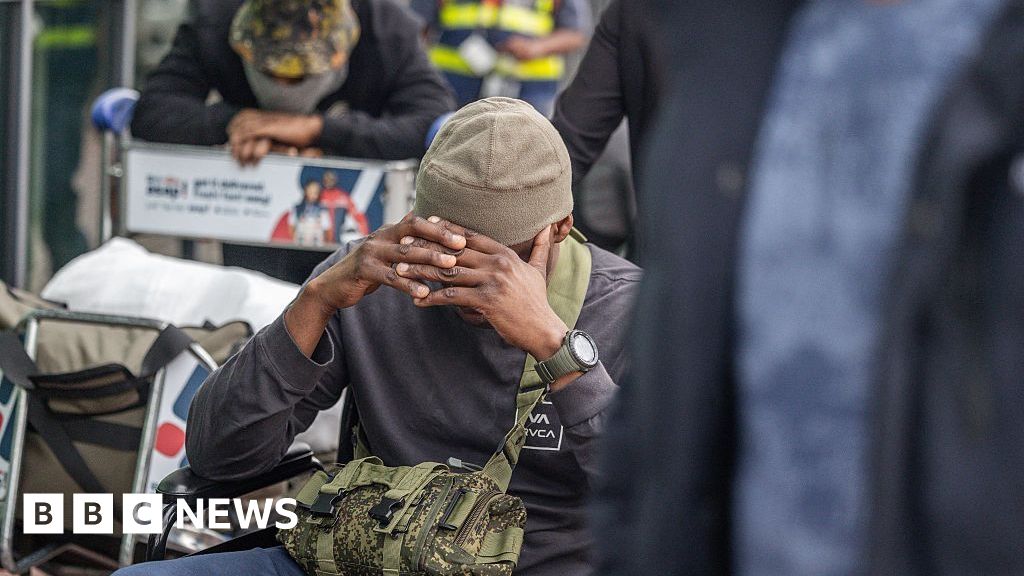

Nine Zimbabweans Arrested Over Russia-Ukraine War Involvement
South African law enforcement authorities have apprehended nine Zimbabwean nationals in Johannesburg following an intelligence-led operation targeting suspected mercenary activity. The individuals, all men between the ages of 20 and 26, were allegedly attempting to travel to Europe to participate in the ongoing Russia-Ukraine war. This intervention highlights the increasing scrutiny by South African officials toward foreign nationals using the country as a transit point for private military engagement.
The arrests underscore the growing trend of non-combatants from across the African continent being drawn into the conflict, often through clandestine recruitment networks promising high wages or citizenship. Authorities have not yet confirmed which side of the conflict the group intended to support, though the arrests were made based on violations of strict domestic laws governing military assistance in foreign territories.
Intercepted at OR Tambo: The Arrest Details

“The group was caught as they were preparing to board flights out of the country.”
— South African Police Service (SAPS) Statement
The operation was a coordinated effort involving a multidisciplinary team, including the South African Police Service (SAPS) and Interpol. The tactical execution was split between two primary locations in the Johannesburg metropolitan area to ensure none of the suspects could evade capture.
- OR Tambo International Airport: Five members of the group were intercepted at South Africa’s primary aviation hub. They were reportedly in the process of checking in or preparing to board flights when officers moved in to detain them.
- Bruma Suburb: A simultaneous raid was conducted at a hotel in Bruma, an area east of the Johannesburg city center. Four additional suspects were arrested at this location, where they were allegedly waiting for further instructions or transport to the airport.
- Demographics: All nine suspects are Zimbabwean citizens, highlighting a specific recruitment drive within the Southern African Development Community (SADC) region.
- Seized Items: While specific details regarding their luggage have not been fully released, police indicated that the group was equipped for travel and had been under surveillance for a period leading up to the attempted departure.
Legal Charges and the Foreign Military Assistance Act
Under South African law, the Regulation of Foreign Military Assistance Act strictly prohibits any citizen or resident from participating in foreign armed conflicts or mercenary activities without direct authorization from the government. Convictions can lead to significant prison time.
The suspects face serious charges under the Regulation of Foreign Military Assistance Act of 1998. This South African legislation is designed to prevent mercenary activity Johannesburg and surrounding areas from becoming a staging ground for private soldiers. The act explicitly prohibits any person within the borders of South Africa from recruiting, training, or participating in foreign military actions without direct authorization from the National Conventional Arms Control Committee (NCACC).
Under this legal framework, even foreign nationals residing in or transiting through South Africa are bound by these restrictions. The prosecution argues that by attempting to join the Russia-Ukraine war, the group bypassed sovereign protocols. These cases often involve complex legal reviews regarding Africans detained in foreign territories, as the line between private security work and combat roles can sometimes be blurred by recruiters. However, the South African government has remained firm that any unauthorized involvement in foreign hostilities carries severe criminal penalties, including lengthy prison sentences.
The Broader Context of African Recruitment
The OR Tambo airport arrests are part of a wider phenomenon involving African recruits Russia-Ukraine. Since the escalation of the conflict in 2022, there have been numerous reports of citizens from Kenya, Zimbabwe, Nigeria, and even the Central African Republic being lured to the frontlines. In many instances, the recruitment process is facilitated by online advertisements or local middlemen who promise lucrative salaries that far exceed local earning potential.
The geopolitical implications of these recruitments have strained international diplomatic protocols, as governments struggle to balance the mobility of their citizens with the need to prevent involvement in global proxy wars. While some Africans have joined the Ukrainian International Legion through official channels, others have been recruited by private military companies associated with Russian forces. South African intelligence suggests that the nine arrested men were likely part of an organized network rather than acting as independent volunteers.
Trapped on the Frontlines: Risks for Foreign Recruits
For many Zimbabweans arrested South Africa or other nations before reaching the front, the legal intervention may be a life-saving measure. Investigative reports have highlighted the extreme dangers faced by foreign fighters who do reach the conflict zone. There are documented cases of African students and migrant workers being coerced into combat roles or assigned to hazardous drone production facilities under the guise of “tech manufacturing” or “agriculture” jobs.
Recruits often find themselves in high-intensity combat zones with minimal training and inadequate gear. Furthermore, the lack of official military status for those recruited through private channels means they are often not covered by the Geneva Convention protections afforded to regular soldiers. This leaves them vulnerable to summary execution or indefinite detention if captured. The promise of “easy money” frequently turns into a fight for survival in a war where the attrition rate for foreign volunteers is significantly higher than that of professional domestic units.
Conclusion
The nine Zimbabwean suspects remain in custody following their initial court appearance in Johannesburg. Their arrest serves as a warning to those considering involvement in foreign conflicts through unofficial channels. South African authorities have signaled that they will continue to monitor travel patterns and recruitment networks to uphold the country’s commitment to non-intervention and the prevention of mercenary activity.
As the conflict in Europe continues to drain human resources, the pressure on vulnerable populations in Africa is likely to persist. The vigilance of multidisciplinary teams at transport hubs like OR Tambo remains a critical barrier against the exploitation of African youth by foreign military entities.
Frequently asked questions
Who was arrested in the Johannesburg raid?
Nine Zimbabwean nationals, aged between 20 and 26, were arrested by South African authorities.
What charges do the suspects face?
They are charged with violating the Regulation of Foreign Military Assistance Act, which outlaws unauthorized mercenary activity.
Where were the individuals allegedly heading?
While their final destination was not explicitly confirmed by police, they were allegedly intercepted while attempting to travel to join the Russia-Ukraine conflict.