COP31 Opens: Turning Climate Pledges into Results
COP31 opens in Antalya, Türkiye, with calls to turn climate pledges into results. Discover what this global summit means for Ghana’s economy and environment.

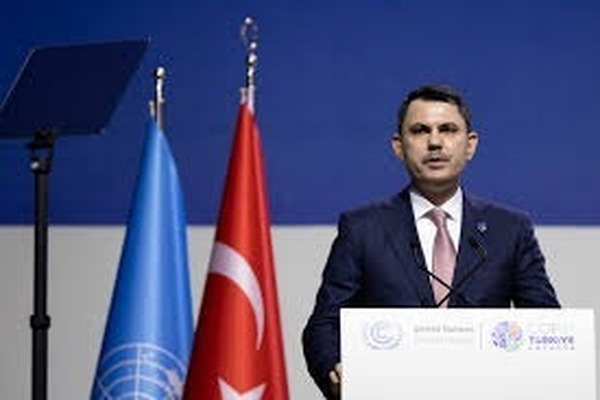

COP31 Opens with Call to Action in Antalya
The 31st United Nations Climate Change Conference, COP31 opens in Antalya, Türkiye, against a backdrop of increasing environmental urgency. On Monday, November 9, 2026, COP31 President Murat Kurum addressed a global delegation of world leaders, scientists, and activists, emphasizing that the time for abstract promises has passed. Kurum’s opening remarks served as a stern directive to the international community: climate commitments must now be translated into practical, measurable results that directly improve human lives.
As the “Implementation COP,” this summit aims to move beyond the framework of previous negotiations to focus on the logistics of delivery. Kurum highlighted that the presidency’s primary goal is to bridge the significant gap between high-level diplomatic decisions and the actual conditions experienced by communities on the front lines of environmental degradation. The summit reaffirmed the central objective of the Paris Agreement—limiting global warming to 1.5 degrees Celsius—while promising an unvarnished, honest assessment of the scientific data currently available.
Climate Policy as Development Policy
A recurring theme during the opening sessions in Antalya was the dissolution of the boundary between climate action and broader socioeconomic governance. Murat Kurum argued that the climate crisis cannot be viewed in isolation, as it is inextricably linked to global conflicts, national debt burdens, food insecurity, and escalating economic pressures. In his view, the modern environmental movement must be integrated into the core pillars of statecraft.
“Climate policy today is also development policy. It is food policy. Energy policy. Urban policy. Health policy.”
— Murat Kurum, COP31 President
By positioning climate policy as synonymous with urban and health policy, the COP31 presidency is pushing for a holistic approach to sustainability. This perspective recognizes that cities cannot thrive without resilient infrastructure, and public health cannot be maintained without addressing the environmental triggers of disease and displacement. For many developing nations, this integrated approach is the only way to ensure that green transitions do not come at the expense of poverty reduction or basic infrastructure development.
Renewable Energy and Finance at the Forefront
One of the most critical hurdles for COP31 is the mobilization of capital. As the summit progresses, participants are increasingly vocal about the need to triple adaptation finance to help vulnerable nations prepare for the inevitable shifts in the global climate. There is also a concentrated push to drastically accelerate renewable energy 2030 targets, with a specific focus on increasing global electrification through the proposed “35-by-35” Global Electrification Pledge.

According to reporting from the Ghana Broadcasting Corporation (GBC), the African perspective remains focused on the equity of the transition. Delegates from across the continent are demanding that the Loss and Damage Fund be made more accessible, ensuring that support reaches those suffering from both economic losses—such as destroyed crops and infrastructure—and non-economic losses, such as the erosion of cultural heritage and biodiversity. The call for a massive expansion in renewable energy capacity is not just an environmental goal but a necessity for energy security in regions where access to power remains a significant barrier to growth.
The Scientific Urgency: A Warming Planet
The gravity of the negotiations was underscored by the release of the World Meteorological Organization’s (WMO) State of the Climate Update 2026. The report provided a sobering statistical reality: the past 12 years have officially been recorded as the 12 warmest years in history. Furthermore, the four most recent years occupy the top four spots on that list, indicating an accelerating trend rather than a mere plateau.
This data highlights a world where climate change and health systems reaching a tipping point is no longer a future warning but a present reality. The rising temperatures are contributing to more frequent extreme weather events, which in turn strain healthcare infrastructure and exacerbate existing social vulnerabilities. The WMO update serves as the scientific foundation for the Antalya talks, providing the “honest assessment” promised by the COP31 presidency and reminding delegates that the window for meaningful intervention is narrowing rapidly.
Impact on Ghana and the African Continent
For ordinary Ghanaians and the wider Africa climate adaptation effort, the outcomes of COP31 will have direct consequences on daily life. As an “Implementation COP,” the focus in Antalya on climate finance Ghana could determine the speed at which the country can bolster its economic resilience against erratic rainfall patterns and rising sea levels. The intersection of debt and climate policy is particularly relevant here, as high debt-servicing costs often prevent African nations from investing in the very technologies needed to mitigate environmental risks.
For ordinary Ghanaians, the outcome of COP31 is critical. Increased adaptation finance could support local farmers facing unpredictable rainfall and provide resources for resilient infrastructure in coastal communities threatened by rising sea levels. Additionally, a global shift to renewable energy aligns with Ghana’s own 2027 energy and oil milestones.
Success in Antalya could provide the financial tailwinds necessary to support Ghana’s 2027 energy milestones, ensuring that the country’s development remains sustainable while meeting the growing demand for power. The emphasis on food security is also paramount; without significant investment in climate-smart agriculture and water management, the volatility of global temperatures will continue to threaten the livelihoods of millions of smallholder farmers across the continent.
Frequently asked questions
What is COP31 and where is it being held?
COP31 is the 31st United Nations Climate Change Conference, taking place in Antalya, Türkiye, starting November 9, 2026. It focuses on turning international climate pledges into practical results.
What are the main priorities of COP31?
The summit is described as an ‘Implementation COP,’ with priorities including climate finance, renewable energy expansion, and bridging the gap between global negotiations and community-level change.
Related posts:
 How Solar Power in Rural Ghana is Changing Lives
 The UN warns the world is heading for 2.8°C warming as emissions cuts fall short
 Australia Approves Stronger Mouse Poison as Farmers Battle Growing Rodent Plague
 Zanetor Agyeman-Rawlings Assumes Office as Environment Minister
 COP31 Climate Summit: World Leaders Face Pressure to Deliver Action on Global Warming