Ghana Unveils Heritage Series Banknotes: Full Details
Discover the new Ghana cedi Heritage Series banknotes. Learn about the heroes, symbols, and landmarks on each note and what they mean for ordinary Ghanaians.



Heritage Series: A New Political and Cultural Identity
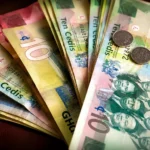
The introduction of the Heritage Series banknotes marks a significant milestone in the visual and economic history of the Republic of Ghana. In a ceremony held at the Bank of Ghana’s Bank Square headquarters in Accra, President John Dramani Mahama officially introduced the series, signaling a shift in how the nation commemorates its foundational figures. This new currency initiative is not merely a technical update to the Ghana cedi new notes; it is an intentional effort to broaden the narrative of the nation’s struggle for independence and its subsequent growth. By featuring a diverse array of national heroes, the Bank of Ghana heritage series aims to foster a unified cultural identity that reflects both the political and social contributions of its citizens.
The Governor of the Bank of Ghana emphasized that these designs serve as a bridge between the past and the future, blending national heroes, historic sites, monuments, and Adinkra symbols. Unlike previous iterations of the currency that focused on limited groups of political leaders, this series expands the lens to include pioneers of commerce and diplomacy. This broader representation is intended to instill a sense of ownership and pride among the populace, ensuring that the currency serves as a daily reminder of the values that underpin the Ghanaian state.
The Heritage Series Banknotes: Denominations and Figures
“The designs are a mix of national heroes, historic sites, monuments and Adinkra symbols that sum up the Ghanaian idea.”
— Bank of Ghana Governor
The Heritage Series consists of eight denominations, each meticulously designed to honor a specific individual and a corresponding theme. The selection includes figures who have excelled in various fields, from high-level diplomacy to grassroots commerce.
- GH¢200: Dr. Kwame Nkrumah – The highest denomination features Ghana’s first president, symbolizing “Sovereignty.” It acknowledges his central role in the decolonization of Africa and the birth of the republic.
- GH¢100: Kofi Annan – The former Secretary-General of the United Nations is honored on this note, representing the theme of “Diplomacy” and Ghana’s global standing.
- GH¢50: Paa Grant – Known as the “father of Gold Coast politics,” his portrait represents the theme of “Vision.”
- GH¢20: Komla Agbeli Gbedemah – A key figure in the independence movement and former Finance Minister, representing “Economic Development.”
- GH¢10: Theodora Okoh – The designer of the national flag, her presence on the ten-cedi note symbolizes “Patriotism.”
- GH¢5: Mabel Dove Danquah – A trailblazing journalist and politician, she represents “Equality and Empowerment.”
- GH¢2: Tetteh Quarshie – The man credited with bringing cocoa to Ghana, he represents “Agriculture” and the backbone of the economy.
- GH¢1: Agnes Oforiwa Tagoe-Quarcoopome – In a historic first, an Accra market trader is featured on the currency, representing “Commerce” and the vital role of women in the informal economy.
The Symbols of Ghanaian Sovereignty

Beyond the portraits of national heroes, the Heritage Series banknotes incorporate a sophisticated array of security features and cultural motifs. Every denomination shares a unified layout that includes the Bank of Ghana name, the value in words, the national coat of arms, and the iconic Black Star. A distinctive column of Adinkra symbols runs beside each portrait, chosen specifically to align with the theme of the note. For instance, symbols representing strength, unity, and wisdom are integrated into the paper to provide a visual language that resonates with local traditions.
The reverse side of each note showcases significant landmarks and monuments that define the Ghanaian landscape. From the Independence Arch to the Bank Square, these images ground the currency in the physical reality of the nation. To modernize the currency and improve security, every back carries a QR code and borders inspired by traditional kente patterns. This fusion of ancient artistry and 21st-century technology ensures that the notes are both aesthetically pleasing and difficult to forge, upholding the integrity of the national tender.
Phasing Out the Old Notes: What to Know

The new Heritage Series banknotes will circulate alongside the current cedi notes. The Bank of Ghana has confirmed that the old notes remain legal tender, so there is no immediate need for citizens to rush to the banks for exchanges.
The transition to the new currency is planned as a gradual process to avoid economic disruption. The Bank of Ghana has announced that the Heritage Series will enter circulation on December 1, 2026. It is important for the public to understand that the cedi legal tender 2026 policy does not mean an immediate invalidation of existing notes. The old currency will continue to run side-by-side with the new Heritage Series, allowing businesses and individuals ample time to adapt to the new designs.
Financial analysts suggest that this transition period is strategically timed as Ghana targets 2027 for major milestones in other sectors of the economy. By beginning the circulation at the end of 2026, the central bank aims to ensure that the new notes are widely available before the next phase of national development. Citizens are encouraged to continue using their current banknotes for all transactions, as they remain valid for all debts and payments until further notice from the regulatory authorities.
Public Conduct and Currency Preservation
With the unveiling of these new designs, the Bank of Ghana has issued a stern warning regarding the physical handling of the currency. The central bank has observed a growing trend of “money bouquets” and the “spraying” of cash at social events such as weddings and funerals. Such practices often lead to the rapid defacement and destruction of banknotes, resulting in significant costs for the state to print replacements.
The Bank of Ghana has reiterated that banknotes are national symbols of sovereignty and must be treated with respect. Forbidding the folding, pinning, or staining of the Heritage Series banknotes is part of a broader campaign to promote financial discipline. Legal frameworks exist to penalize the mishandling of currency, and the authorities have signaled a more rigorous enforcement of these rules to coincide with the 2026 launch. By preserving the physical quality of the notes, the nation reduces the economic burden of currency management.
Conclusion
The launch of the Heritage Series is a defining moment for Ghana, reflecting a nation that is confident in its history and optimistic about its future. By placing figures like Kwame Nkrumah and Agnes Oforiwa Tagoe-Quarcoopome on the same footing, the Bank of Ghana acknowledges that the building of a nation requires the contributions of both the statesman and the trader. These banknotes serve as more than just a medium of exchange; they are a portable gallery of the Ghanaian spirit, illustrating a journey of economic evolution and cultural resilience. As the December 2026 circulation date approaches, the Heritage Series stands as a testament to the enduring power of national symbols in shaping a collective destiny.
Frequently asked questions
When will the new Ghana cedi Heritage Series notes be available?
The new notes will officially enter circulation on December 1, 2026.
Can I still use my old cedi notes after December 1?
Yes, old notes remain legal tender and will run side-by-side with the new Heritage Series.
What are the rules regarding handling the new notes?
The Bank of Ghana has warned the public against using the new notes for ‘money bouquets,’ spraying, or crumpling them, as these practices damage the currency.
Related posts:
 African Trade and Diaspora Economy: Trends and Challenges
 President Mahama to Launch New Heritage Series Banknotes
 Bank of Ghana suspends proposed 0.75% mobile money transfer fee
 GCB Bank and UnionPay Introduce Yuan Cards for Ghana-China Trade, but Will Traders Save Money?
 Ghana’s New Cedi Banknotes: What You Need to Know Before November 12 Launch